EN
EN  ID
ID 


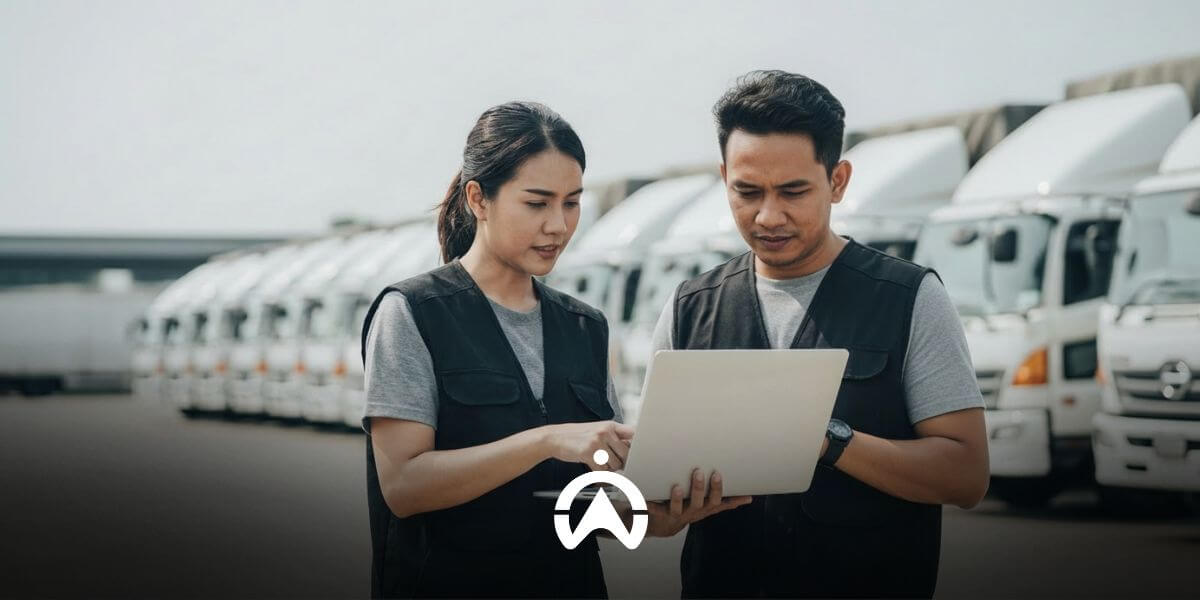
To grow your business, you need a clear foundation before making decisions. A data-driven approach helps you make strategic, sound decisions. Similarly, in the logistics business, leveraging telematics technology—along with Big Data, analytics, and the Internet of Things (IoT)—simplifies the complex aspects of fleet management.
One product that utilises these three technologies is smart reporting. With this reporting, you can increase efficiency and productivity by up to three times, and reduce operational costs by up to 30%. Here are eight reports you can consider as you improve your logistics business.
1. Travel Report
This report helps you identify inefficient trips, enabling you to reorganise delivery sequences for better efficiency. You can also measure driver productivity using the accurate information provided, such as trip times, durations, distances, and trip counts. Additionally, the report allows you to track the number of driving safety violations committed by your drivers.
2. Driving Behaviour Report
By identifying each driver’s driving behaviour, you can take preventive and corrective action whenever necessary. The goal is to reduce excessive operational costs caused by aggressive vehicle wear and accidents resulting from poor driving behaviour. Advanced Driving Behaviour Reports provide information on mileage and driving safety violations, such as speeding, sudden braking and acceleration, sharp cornering, and leaving the engine running while the vehicle is stationary (idling).
3. Fuel Filling Report
This report detects fraud in fuel refilling. In addition, you can save time and reduce human error as there is no longer a need to manually record fuel expenses. You can obtain this report by installing a GPS tracker with a fuel sensor in each of your logistics vehicles. This integrated tracker will send accurate data regarding fuel refilling activities, including the time and location, mileage, as well as the fuel volume in the tank before and after refilling.
4. Fuel Efficiency Report
Fuel efficiency analysis helps you make informed decisions to improve the productivity of fuel-guzzling vehicles. To do this, you need an analysis report that provides data related to driving activities and behavior, such as fuel consumption, distance traveled, operating time, speeding frequency, and duration. By comparing this data across similar vehicle categories, you'll get an average fuel efficiency and identify vehicles that are less productive.
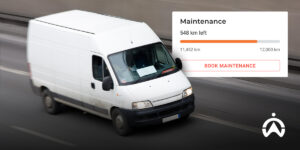
5. Vehicle Idling Report
Another efficiency measure is reducing vehicle idle time, which helps lower fuel consumption and operational costs. To track idling in real-time, you need to install a GPS tracker in each of your logistics vehicles. In addition to receiving alerts when your vehicle is in an idle state, you can also monitor total idling through the Vehicle Idle Report generated by the GPS tracker. If you find that the total idle time exceeds the acceptable limit, you need to encourage drivers to achieve substantial fuel savings.
6. Operating Hours Report
This report provides insight into the productivity and effectiveness of your vehicle fleet. You can determine whether your fleet is optimally staffed or needs adjustment. This decision will undoubtedly impact the optimisation of your logistics business. The data provided by this report includes the number of operating hours and the distance traveled by each vehicle, both during and after work hours.
7. Vehicle Downtime Report
Once you identify the causes of delivery process inefficiencies, you can tighten controls and implement best delivery management practices. To do this, you need to evaluate the process itself. The Vehicle Downtime Report provides analytical data such as the frequency, location, and duration of vehicle downtime. This report alerts you if vehicles are stopping too long at a specific location or stopping at too many locations.
8. Goods Drop-Off Point Report
This report allows you to track asset misuse, errors, and fraud such as deliveries made outside assigned locations and working hours. You will also be able to identify the average cargo loading and unloading duration, enabling you to manage assignments more effectively. This report is generated through a combination of a GPS tracker and a cargo door sensor. This integrated system can send analytical reports that provide information on the time, location, and duration of cargo door opening and closing activities.
How can you obtain fleet management reports containing such complex and detailed data? Start with the vehicle monitoring system from Cartrack! Using the latest Internet of Things (IoT) technology, GPS tracker solutions from Cartrack provide comprehensive monitoring solutions for your logistics fleet, complete with automated reports.
Want to know more about Cartrack's fleet management reports? Click here and get the chance for a FREE DEMO of Cartrack's smart reports!