EN
EN  ID
ID 


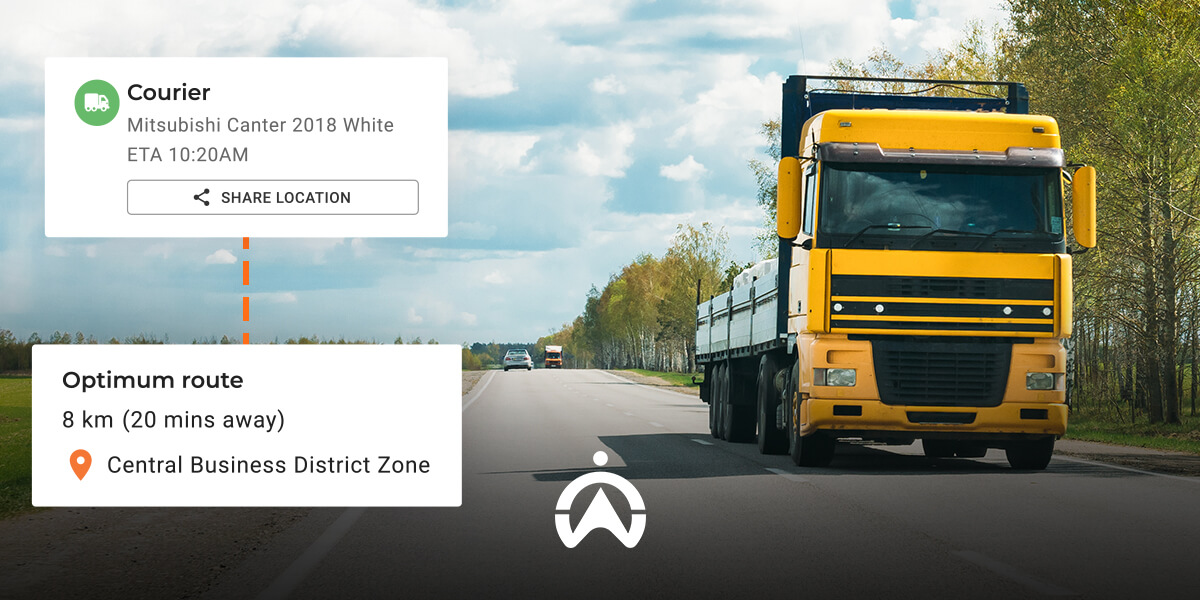
Inefficient distribution routes often cost companies money, both due to delays and fuel consumption. This is especially true if your business operates a large fleet.
Efficient delivery requires effective planning, which is often difficult to achieve manually. Therefore, you need to familiarise yourself with automation called route optimisation which is often used in delivery and field services.
What is Route Optimisation?
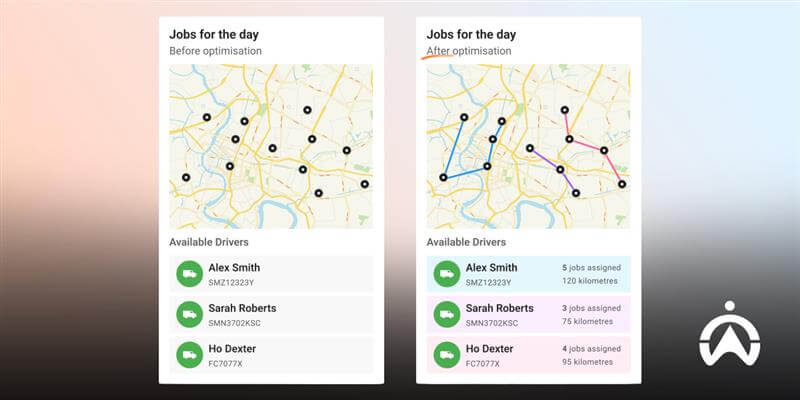
Route optimisation is the process of finding the best route using algorithms to analyse and consider multiple factors. Based on this analysis, the system will recommend the best route according to the company's needs.
Route optimisation will be crucial for both the delivery and field service industries. In addition to improving operational efficiency, this will also significantly impact on on-time delivery to customers.
Challenges Without Route Optimisation
So what if you don't implement route optimisation? Here are some challenges you might encounter:
1. Delivery delays due to inefficient routes
Each courier or field technician must visit multiple locations daily. If the assigned route is inefficient, delays in the distribution or processing process are likely due to traffic jams or circuitous routes.
2. Uneven achievement of work solutions
Inefficient delivery route planning relies heavily on the driver's skill and experience in navigating routes. Therefore, the amount of work completed each day can vary significantly between drivers.
3. Uncontrolled operational costs
With route selection heavily dependent on the driver, you're at risk of uncontrolled spending. Again, this is because some drivers are skilled at determining routes, while others rely heavily on manual navigation systems.
4. Customer dissatisfaction due to delays
Delays in delivery or service are unavoidable without route optimisation. This will impact a business's reputation and customer loyalty, who may be dissatisfied with the delays.
Also Read: What is a Fuel Management System?
Benefits of Route Optimisation
Optimising delivery routes isn't just about determining the fastest route; it also improves overall efficiency in business operations. Here are some of the positive impacts you can experience immediately:
1. Speed up delivery time
With optimised routes, deliveries are arranged based on distance, location, and priority. This reduces travel time and eliminates detours, eliminating the need for drivers to guess the best route.
2. Save fuel
Shorter, more efficient routes will automatically reduce fuel consumption. By minimising time wasted on the road, whether due to traffic jams or taking wrong turns, you'll achieve greater savings.
3. Increase productivity
Proper delivery trip planning allows couriers and technicians to complete more tasks in a day. This allows you to increase daily output without adding additional fleet or manpower.
4. Maximise customer service
Timely delivery and technician arrivals will create a better customer experience. This will build their loyalty and your business reputation.
5. Better operational control
Systematic route planning makes it easier for the management team to schedule deliveries or jobs and monitor them online. All processes become more organised, with reporting data that aids decision-making.
Read Also: Easy Ways to Calculate Fleet Fuel Consumption
Examples of Use in Various Industries
How exactly is route optimisation used and how does it benefit every industry? Find out more!
1. Last-mile delivery
Route optimisation will help you sort deliveries based on location, priority, and distance. This way, couriers can deliver orders more efficiently without having to make multiple trips.
2. Catering and Restaurants
Restaurants and caterers offering delivery services will benefit greatly from route optimisation. This can reduce travel time, ensuring food reaches consumers fresh.
3. Field Service
Field service providers like air conditioning technicians, Wi-Fi technicians, and so on can use route optimisation to schedule visits. This will be more efficient, eliminating back-and-forth and wasting time on the road.
4. Distribution Company
The distribution process from distributors to retailers will be more efficient by using route optimisation. Efficient routes allow for faster deliveries and allow vehicles to accommodate more delivery points in a single trip.
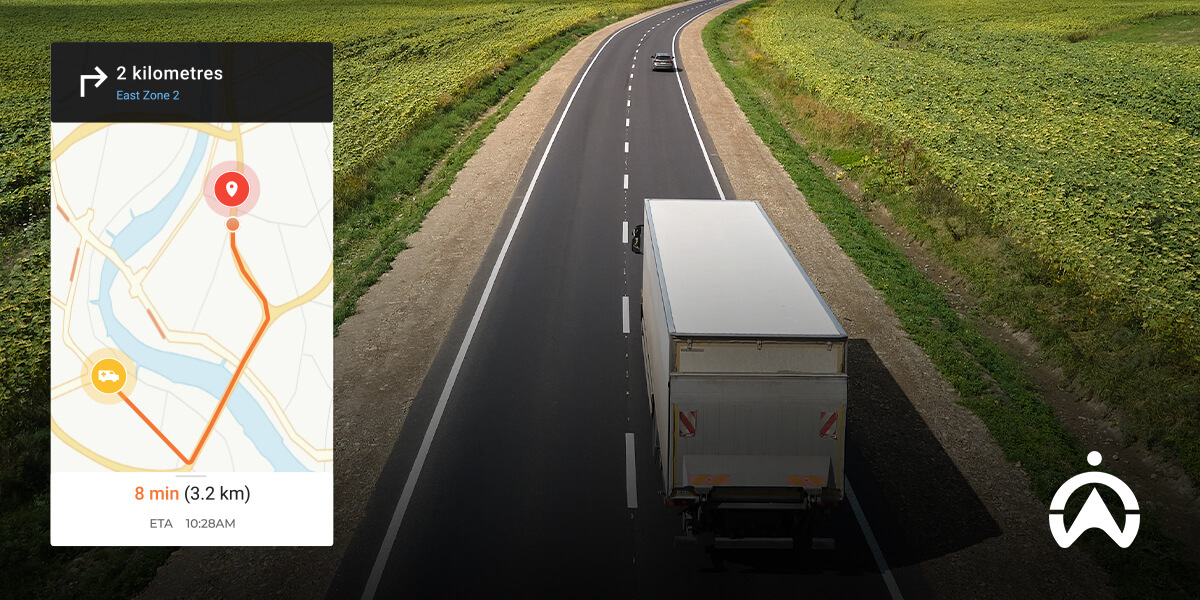
Cartrack's Route Optimisation feature
Route optimisation is one of the advantages of Cartrack's Delivery Management System. The Delivery feature allows you to improve delivery efficiency by:
-
Route optimisation that organises deliveries based on location and priority
-
Track courier movements in real-time
-
Provide notifications to customers about delivery status
-
Track proof of delivery and electronic work order (POD) completion
-
Automatic reports based on time period
Some other features you can add to maximize your delivery fleet management are:
-
Fuel Monitoring: Fuel monitoring for four-wheeled fleets using sensors tailored to the vehicle type.
-
AI Vision & Non-AI Vision: Fleet and driver monitoring to improve safety, as evidence of accidents, and for insurance claims.
-
Maintenance: Vehicle maintenance management based on mileage or a certain time period.
-
Driver Identification: Driver identification in the form of a tag or password to ensure there is no misuse of the vehicle.
-
CarPool: A company vehicle booking and scheduling platform to ensure smooth operations.
Conclusion
Route optimisation isn't just a tool for determining the fastest route, it's also a solution for improving overall efficiency. With faster, more productive, and more cost-effective deliveries, you can provide better service to your customers.
Cartrack Delivery offers easy delivery management, including route optimisation. Complete your details in the digital form below so our staff can contact you with the best offer.