EN
EN  ID
ID 


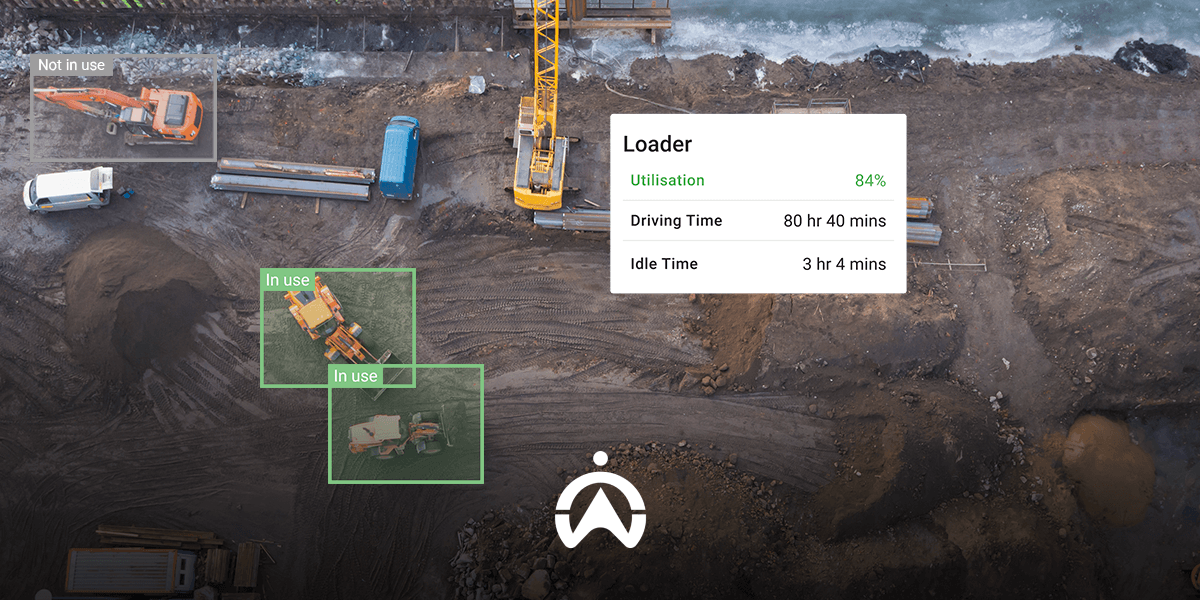
Idling—leaving the engine running while the vehicle is stationary—can waste fuel. Each hour of idling can consume more than a gallon (approximately 4.5 liters) of fuel. Furthermore, idling increases air pollution and causes engine wear. Excessive idling can certainly be costly for a company. Although it cannot be entirely avoided, you can minimise idling through the following strategies.
1. Monitor and Minimise Idling in Real-Time
You need technology that can track and notify you when idle time occurs. Cartrack's fleet management system can do this, using GPS tracking devices installed on vehicles. You'll receive a notification once the engine has exceeded the permitted idle time limit. Cartrack sets the idle time limit at 5 minutes, but you can request a different setting from our team. From this notification, you can then track the vehicle's location on a map and assess the idle time, whether it's necessary or can be minimised.
2. Evaluate and Educate Drivers Based on Data
In addition to real-time idling monitoring, Cartrack provides idling statistics through both analysis reports and a business intelligence dashboard. You can identify which vehicles or drivers idle the most frequently. While it is generally normal for vehicles with longer driving times to have higher idling durations, you should keep an eye on vehicles that are driven less frequently yet still exhibit high idling times. These idling statistics can inform the development of training materials aimed at improving your drivers' vehicle usage habits.
3. Reduce Waiting Time and Trip Inefficiencies
Improvements are needed not only regarding the drivers but also the fleet assignment system. Drivers sometimes leave their engines idling while waiting or stuck in traffic. Therefore, fleet managers need to evaluate schedules and stop sequences to reduce driver wait times and trip inefficiencies. By analysing idling reports, you can identify patterns—such as the times, days, and locations where idling occurs most frequently—to inform decisions regarding scheduling and routing.
With fleet tracking and management technology, you can track and prevent idling in real-time, improve vehicle usage behaviour based on data, and reduce wait times and trip inefficiencies by optimising your fleet dispatch system. Cartrack enables you to do all this through idle alerts, analytical dashboards and reports, and a driver dispatch manager. Contact us here to find out how Cartrack can help you reduce losses caused by idling and to schedule an online demo with our team.