EN
EN  ID
ID 


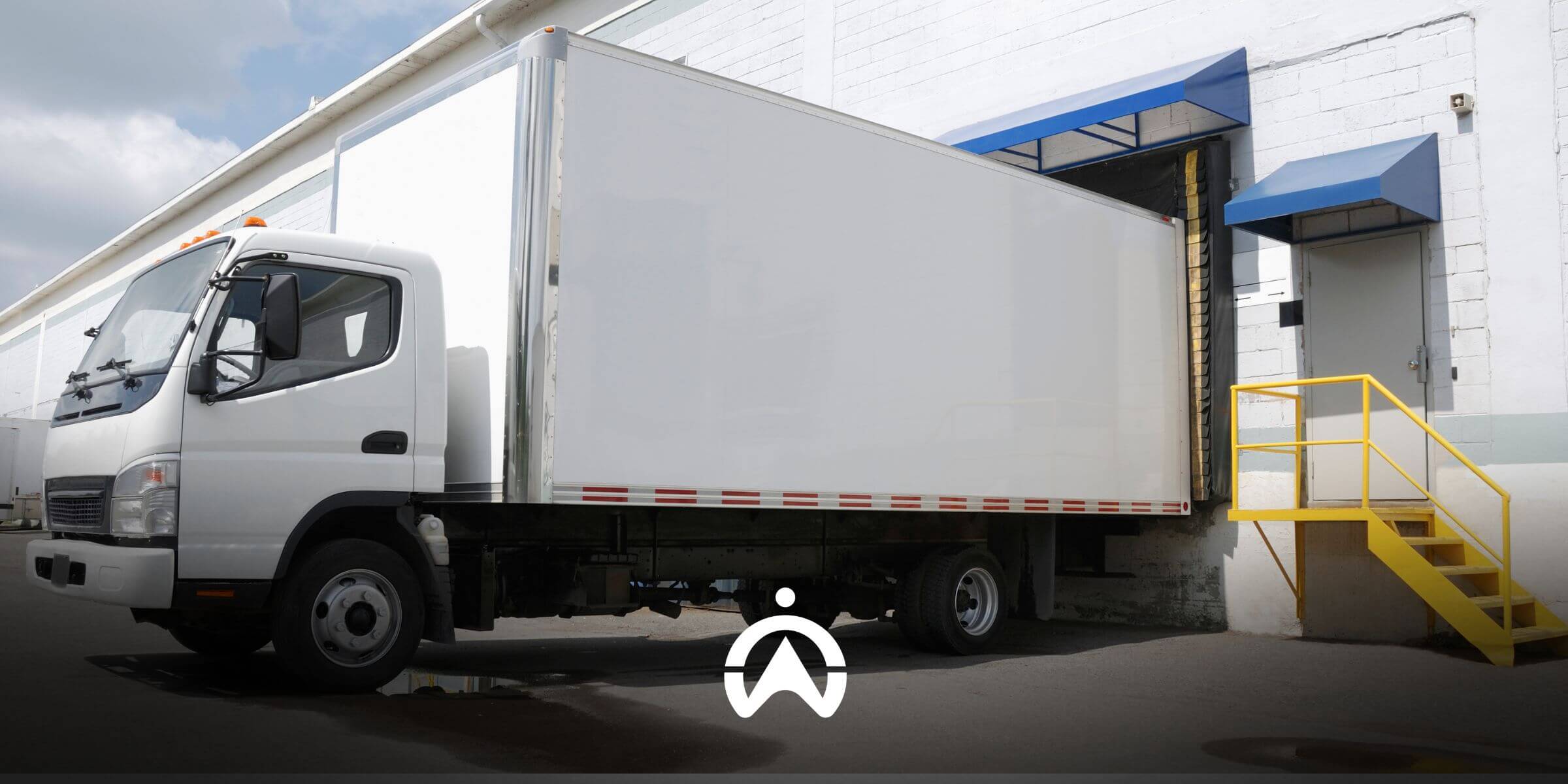
The manufacturing industry transforms raw materials into finished goods with higher market value. These large-scale production operations rely on transportation, particularly for manufacturers that manage their logistics activities in-house—a model known as first-party logistics (1PL). Transportation plays a crucial role across the entire value chain, from raw material procurement and storage to final sales. GPS-based fleet management technology can help manufacturing companies manage their supply chains more efficiently. Here are four key functions of GPS-based fleet management technology for manufacturing industry fleets.
1. Monitoring Operating Hours
GPS devices installed on vehicles can report engine operating hours—tracking either the total accumulated time since the GPS tracker was first activated or the accumulation within a specific period of your choice. Additionally, an optional power take-off (PTO) sensor can monitor the operation of peripheral features on forklifts and other warehouse vehicles, allowing you to assess the efficiency of their usage.
2. Service Schedule Management
Fleet management software offers a reminder feature for managing service schedules. A key advantage is the ability to configure schedules and notifications based not only on dates but also on operating hours and the mileage of individual vehicles. Additionally, a Driver Vehicle Inspection Report (DVIR) feature is available, allowing drivers to report vehicle issues. The software's interface enables managers to easily identify priorities for maintaining optimal vehicle condition and minimizing downtime.

3. Shipment Tracking
To meet customer demands in a timely manner, manufacturing companies must ensure that deliveries are trackable and executed as efficiently as possible. GPS trackers allow you to monitor locations and receive various updates and alerts while deliveries are in progress. Fleet management software, such as Cartrack, offers route planning and driver assignment features that help ensure deliveries are efficient, smooth, and on time. You can configure alerts for events such as route starts, completions, delays, slow progress, and route deviations. Additionally, you can receive alerts from auxiliary vehicle sensors, such as those monitoring refrigerated cargo temperatures and the opening or closing of cargo doors.
4. Fleet Cost Management
Ensuring efficient fleet and delivery costs will boost a manufacturing company's profits. You can manage your fleet costs more efficiently through a single fleet management software platform—such as Cartrack’s Fleet Web, which includes the Mi-Fleet feature for cost management. This allows you to quickly determine vehicle costs per kilometer or per specific period, identify cost inefficiencies, and take appropriate action.
Manage your manufacturing company's fleet using GPS-based fleet management technology and boost your business efficiency, productivity, and profitability. Entrust the management of your manufacturing fleet to Cartrack’s reliable fleet management system. Cartrack offers GPS trackers, fleet management software, driver dispatch apps, and a wide range of sensors and features that can be customised to your needs. Click here for a consultation and get a free live demo!