EN
EN  ID
ID 


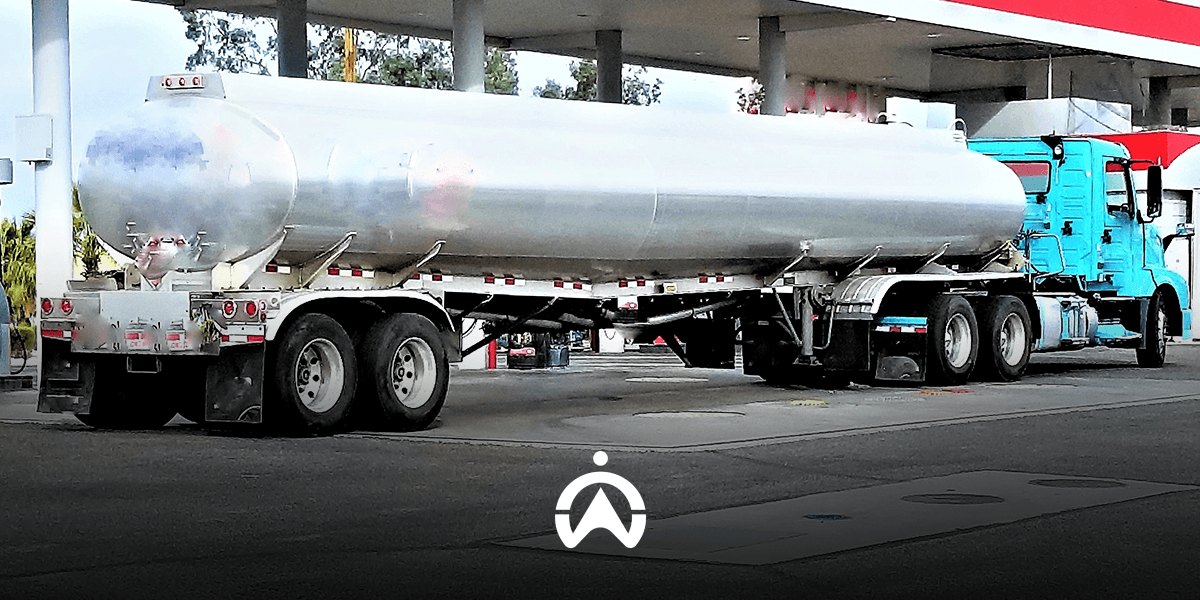
Telematics serves as a solution to help oil and gas companies monitor and optimise vehicle utilisation, oversee maintenance and driving safety, reduce operational costs, and foster an efficient work culture. Furthermore, this technology provides fleet managers with access to information that can elevate their business to the next level. Here are four ways telematics optimises vehicle management for oil and gas companies.
1. Monitor performance in the field
You need not worry if your team is spread across multiple locations. Telematics acts as your "eyes," allowing you to track the location of operational vehicles and heavy equipment, monitor worker activity regarding vehicle usage, detect potential driving safety violations, and track vehicle operating times at work sites. This is particularly useful when working with contractors; you can arrange for tracking devices to be installed on the vehicles they lease to you, enabling you to monitor operations and ensure tasks are completed efficiently and in compliance with standards or regulations.
2. Minimising vehicle damage
For oil and gas companies, unplanned repairs can lead to a “leakage” of profits. These companies require technology that helps them monitor vehicle health and manage maintenance schedules more efficiently. Telematics systems provide data-rich reports that facilitate the analysis of vehicle health—covering metrics such as usage rates, mileage, aggressive driving behaviour, and Driver Vehicle Inspection Reports (DVIRs). By integrating with GPS tracker data, maintenance schedules for individual vehicles can be automated based on dates, operational duration, and mileage. This functionality helps minimise the risk of maintenance oversight, ensures vehicles remain in good working condition, and reduces downtime.
3. Cultivate driving safety
Transporting flammable oil and gas products entails safety risks, in addition to the hazards of road accidents. Drivers for oil and gas companies must exercise extreme caution and cultivate safe driving habits. Telematics systems can detect aggressive driving behaviours—such as speeding, sharp cornering, hard braking, and harsh acceleration—as they occur. You can set permissible speed limits and trigger alerts whenever a vehicle exceeds them. Furthermore, you can utilise the driver score reports provided by the telematics system as a basis for performance evaluation and training.
4. Reduce fuel costs
Even though they supply fuel, oil and gas companies also need to monitor the fuel costs incurred by their fleets to boost profitability. Telematics helps companies correct fuel-wasting driving behaviours, such as speeding and engine idling. Reducing idling for long-haul trucks can save up to approximately 1,500 gallons—or over 5,600 liters—of fuel annually. With telematics, you receive alerts regarding excessive idling and automated reports comparing the fuel efficiency of different vehicles. The available data enables you to take the right steps to improve fuel efficiency.
Since it directly impacts company profitability, you need to implement extensive monitoring for your oil and gas fleet to ensure efficient operations and optimal asset utilisation. The accurate, detailed, and real-time data collection capabilities of telematics provide deep insights into your fleet, facilitating effective vehicle management and decision-making to maximise profits. Contact us here to start using the Cartrack telematics system for your oil and gas fleet and get a free demo!