EN
EN  ID
ID 


1. Aggressive Driving
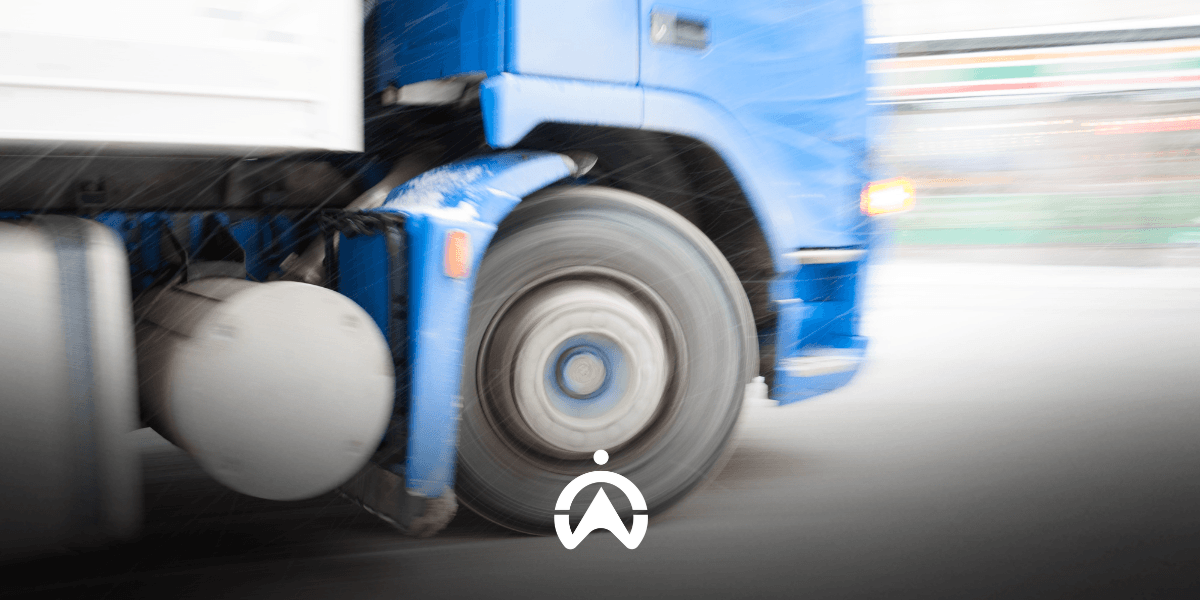
Changing lanes, tailgating, blocking, and cutting in on other vehicles are some types of aggressive driving practices. Not only does this increase the risk of a collision, but it also wastes fuel. For light-duty vehicles, this behaviour results in fuel consumption of approximately 10-40% in heavy traffic and 15-30% in light traffic at highway speeds. Over time, this behaviour also leads to vehicle problems, such as burned clutches and reduced engine life.
2. Sudden Acceleration and Hard Braking
Sudden acceleration or braking can cause excessive wear on vehicle components. Continuous harsh acceleration can damage engine mounts, fuel system components, suspension, and brakes. As a result, vehicles begin to experience more damage, leading to downtime and gaps in your fleet services. In addition, if the driver is operating a trailer, sudden acceleration or braking forces may cause cargo and its contents to shift. If not secured properly, this can result in serious damage.
3. Speeding
Speeding increases the risk of a collision because there is less time and distance to respond to unexpected events. Furthermore, this driving behavior increases fuel costs, particularly if the vehicle is driven above 60 mph (approximately 96.5 km/h). For every additional 1.6 km/h (1.25 mph) above 60 mph, fuel costs increase by approximately 4-9% per gallon. This increase in fuel consumption is even greater for medium and large trucks.

4. Excessive Idle
Idling or leaving the engine running while the vehicle is stationary can consume more than 17% of your fuel. In passenger vehicles or light trucks, each hour of idling burns more than half a gallon of fuel. In medium and heavy trucks, this figure is even higher, approaching one gallon of fuel per hour of idling. In addition, engine temperature is lower during idling, which means combustion becomes inefficient and leaves residue deposits on your spark plugs and cylinders. This can lead to several vehicle problems, such as difficulty starting the engine and increased fuel consumption.
5. Taking an Inefficient Route
Poor routing can add to operational costs. One factor that can lead to inefficient routing is a lack of oversight. In some cases, rogue drivers may intentionally detour for personal reasons, increase mileage to earn extra commission, or waste time by working overtime. Imagine the additional costs these irresponsible driving practices can incur for companies, in addition to the additional fuel costs.
6. Misusing Vehicles
Misuse of company vehicles, whether for personal or side hustle, increases the risk of tarnishing the company's reputation, vehicle damage, service costs, and fuel consumption. Companies that allow employees to take their vehicles home need to ensure that company vehicles are not converted into personal vehicles for employees.
Cartrack’s fleet monitoring technology helps you control poor driving behaviour and reduce its risks and impact. Several Cartrack features can be used as solutions, including driving behaviour monitoring (speeding, harsh braking, sudden acceleration, and sharp cornering), idling monitoring, driver reports, fuel monitoring, trip reports, route planning, out-of-hours vehicle usage notifications, geofence, and maintenance scheduling. Contact us now and get a FREE LIVE DEMO to learn more about Cartrack’s fleet management solutions!