EN
EN  ID
ID 


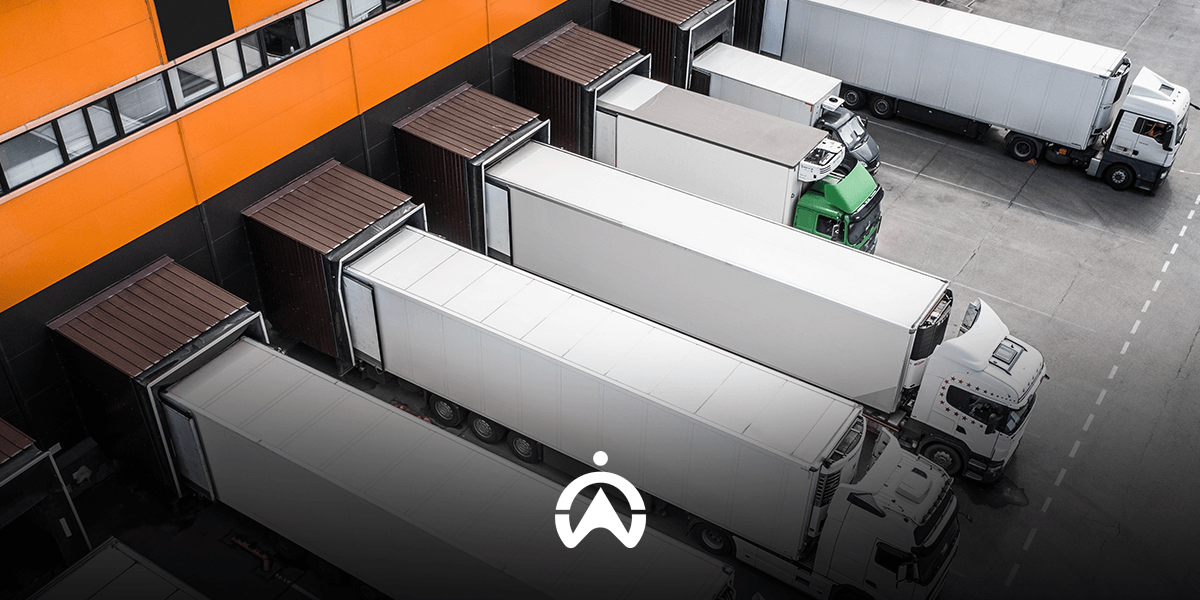
In today’s competitive business environment, many companies are starting to use fleet management systems to manage fleet operations. This system not only streamlines management but also provides accurate data and comprehensive fleet monitoring.In today’s competitive business environment, many companies are starting to use fleet management systems to manage fleet operations. This system not only streamlines management but also provides accurate data and comprehensive fleet monitoring.
But how do you choose a fleet management system that truly suits your business needs? Here are some fleet management tips to help you determine the best option for your business needs.
1. Understand Your Business Needs
The first thing you need to do is understand your company’s or business’s needs. Are you focusing on improving efficiency, monitoring field team performance, or automating financial reporting?
For example:
-
A logistics company may require a fleet management solution that focuses on vehicle tracking and route optimisation.
-
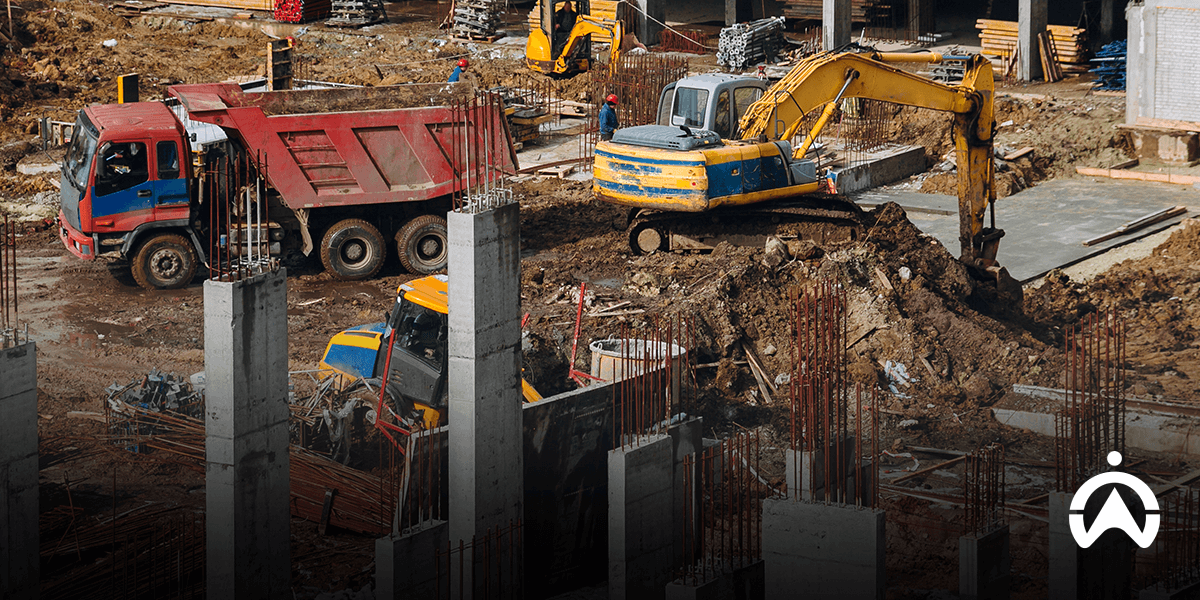
A construction company would prioritise monitoring heavy equipment usage and project supervision.
By understanding your industry-specific needs, you can focus on the features you actually require. You will also be able to shortlist service providers based on the availability of those features.
2. Evaluate the Essential Features That Must Be Included
Fleet management system should be able to help you work more efficiently. Therefore, there are several features that must be present so that the system really functions to increase efficiency.
-
Real-time tracking: A dashboard that displays fleet location and operational data in real time to support faster and more informed decision-making.
-
Automated reporting: Easily accessible vehicle usage data that streamlines administrative work and reduces human error.
-
Security notifications: Alerts about risky behaviour such as speeding, vehicles leaving designated work zones, and similar events.
-
System integration: Ideally, a fleet management system should be able to connect with other software such as ERP, CRM, or financial systems.
-
System integration: Ideally, a fleet management system should be able to connect with other software such as ERP, CRM, or financial systems.
These key features must be included alongside other specific features that better suit your business needs. For example, if you want fuel monitoring, ensure it's included alongside the five key features mentioned above.
Read Also: The Best Fleet Management System Application from Cartrack
3. Consider Scalability and Customer Support
As your business grows, you need to choose a system that can accommodate that growth. Choose a fleet management system provider that allows for increased user numbers and data storage capacity.
Apart from that, you also need to make sure whether the company offers good after-sales service such as:
-
System usage training (training)
-
Responsive technicians or field staff
-
Regular feature updates
With all of this in mind, you can ensure that you're not just purchasing a device, but also a long-term technology partner. You can also contact customer service if you encounter any issues.
4. Check Company Reputation and Customer Reviews
The next tip for choosing a fleet management company is to research the reputation of the service provider. Find out how long they've been established, the clients they've handled, and even testimonials and success stories from their customers.
If your company has specific needs specific to your business area, learn more about how these can be implemented in your company. One way to do this is by contacting the service provider and asking for their explanation.
A reliable system has a good reputation among customers for its stability and professional service. Furthermore, ensure that the system truly meets your primary needs.
Fleet Management Software: Definition and Features
5. Compare the Costs and Benefits
Price is a crucial consideration for any business, but you also need to ensure the value of the benefits you'll receive. Often, low prices are the result of service adjustments or reduced features.
Conversely, a system that seems expensive at first glance may be more efficient in the long run. The service provided is also excellent, including after-sales support for any issues encountered during use.
Also consider the Return on Investment (ROI) in terms of time, effort, and costs that can be saved by using the system. If the system can cut reporting time and reduce operational costs, then the system provides extra value for the business.
6. Choose an Integrated Fleet Management System from Cartrack
Now that you understand all the tips for choosing fleet management above, it's time to consider Cartrack's fleet management solutions. More than just a GPS tracker, our system can help you manage your operations comprehensively:
-
Real-time vehicle tracking
-
Automation of operational and cost reports
-
Driver behaviour monitoring
-
Fleet performance and fuel efficiency analysis
-
Cloud-based data integration so you can access everything from one platform
With an easy-to-use dashboard and 24-hour customer support, Cartrack makes it easy for you to monitor operations without having to go out into the field. Get our products and services starting from Rp140,000/unit/month.
Click the WhatsApp button or complete the form on this page so that our staff can contact you to provide a quotation. Discuss your business fleet management needs with Cartrack now!