EN
EN  ID
ID 


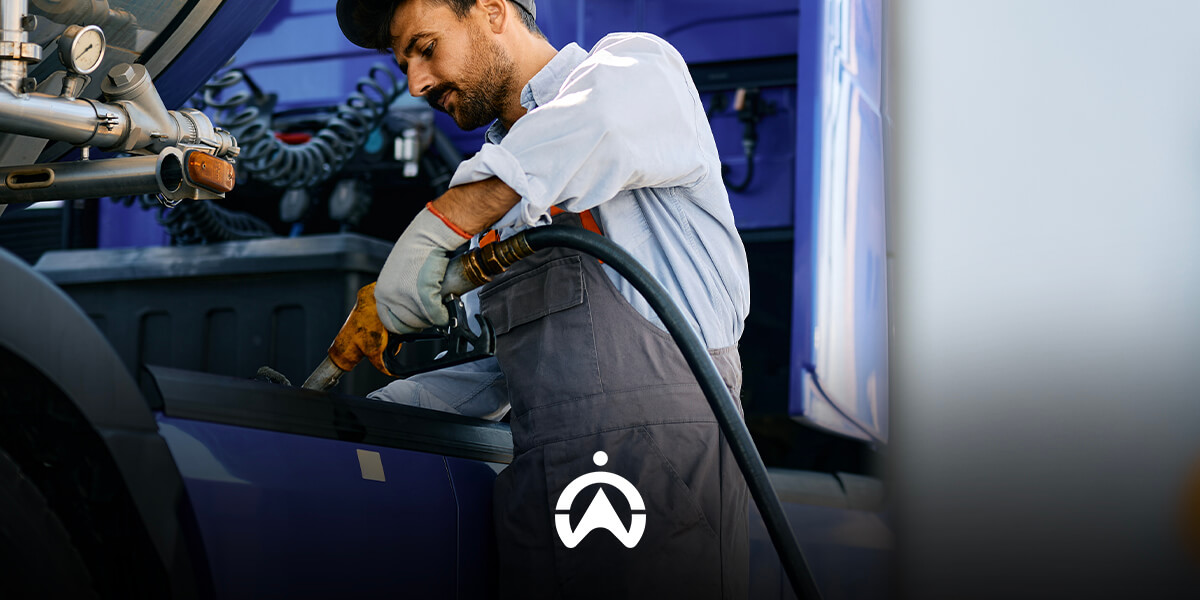
As your business grows, operational costs such as fuel will increase. Unfortunately, rising fuel costs do not mean company profits will also increase. For this reason, business owners are starting to use fuel management systems to secure the future of their company. In this article, let us discuss what a fuel management system is and the reasons why these systems fail.
Fuel management system definition
A Fuel Management System is a technology for managing a fleet's fuel with the aim of making operations more cost-effective and reducing risks. The system requires fuel monitoring patterns that use real-time data on ongoing fuel consumption.
Read also: How to Protect Your Fleet from Fuel Theft
Benefits of fuel management system
-
Improve fuel efficiency
A fuel‑management system device can provide real‑time fuel‑consumption data so fleet managers can calculate the amount of fuel used by each vehicle and identify which vehicles are the most wasteful. -
Analysis and fuel usage reports Fuel‑management systems can provide fuel usage reports for the required time period, such as weekly, monthly and annual reports.
-
Fuel‑theft detection
By reviewing fuel reports, fleet managers can match fuel‑receipts with the existing reports. If the amount of fuel filled does not match the reported consumption (filling and usage), this indicates possible fuel theft.
8 reasons why fuel management systems fail
1. Out‑of‑date vehicles
Fuel‑consumption monitoring devices will have less impact when installed on outdated vehicles. Older vehicles tend to have lower fuel efficiency. As they age, this means the vehicle will use more fuel to cover the same distance as a new car.
However, the solution to this problem is not as simple as only replacing the fleet with newer models.
2. Lack of driver training on fuel efficiency
Speeding excessively, braking suddenly, and idling too much are fuel-efficient driving practices that are often overlooked. Drivers tend not to realise how these driving behaviours affect fuel efficiency.
It is pointless if we already use a fuel‑monitoring system yet still drive carelessly. Inefficient driving causes higher fuel consumption per kilometre, which directly increases fleet fuel costs and makes it harder to control fuel expenses.
3. Short trips (stop‑and‑go)
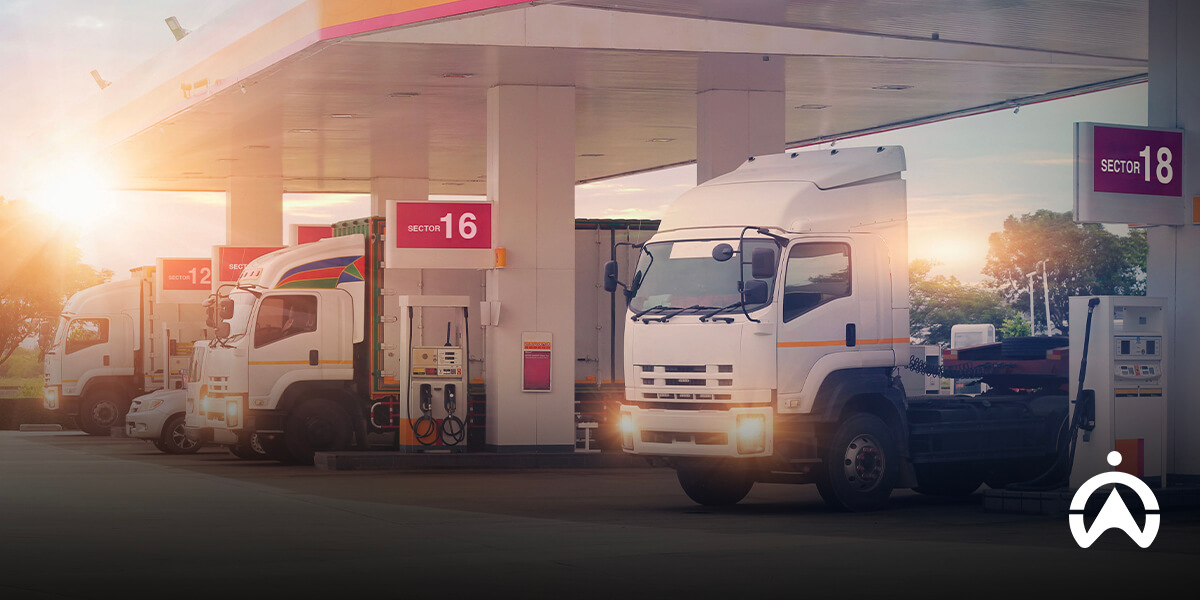
Frequent stop‑and‑go driving on short trips leads to poor fuel savings for the fleet. When you start the vehicle, it usually requires more fuel than when driving at a steady speed.
In addition to increasing fuel costs and fleet fuel inefficiency, short trips can also make fuel theft more likely. The difficulty of monitoring fuel‑usage data in detail for vehicles frequently used for short‑distance trips can increase fraud and fuel theft.
4. Carrying unnecessary load
There is a relationship between weight and fuel savings. Managers must pay attention to this in fleet management. Extra weight can cause the engine to work harder and use more fuel when accelerating and braking.
5. Weather conditions
It may be hard to believe, but weather conditions do affect fleet fuel consumption. This is largely due to how weather influences both the vehicle and driver behaviour. For example, drivers often use air conditioning in hot weather, which can reduce fuel savings by about 25%.
Colder temperatures also cause higher fuel consumption and more difficult driving conditions, forcing the vehicle’s engine to work harder. This increased engine load and reduced efficiency in cold weather can lead to noticeably higher fuel use compared to milder conditions.
6. Fuel fraud / fuel theft
Even when using the right fuel‑monitoring tools in fuel management, the results may not be visible because of internal fraud involving employees and fleet staff. Such dishonest practices can hide actual fuel usage and reduce the effectiveness of monitoring systems.
There are several ways fleet staff can defraud the fleet, such as claiming that fuel was not dispensed into the vehicle, siphoning fuel from the vehicle’s tank, or engaging in other forms of fuel‑card fraud. These actions directly reduce the amount of fuel available for legitimate use and undermine accurate fuel tracking.
7. Poor vehicle / engine maintenance
Every vehicle and engine requires proper care to maintain fuel savings and fleet efficiency. Neglecting routine maintenance tasks such as oil changes, air filter replacements, and checking the engine and tires will reduce fleet fuel efficiency and weaken the effectiveness of fuel‑monitoring tools.
8. Lack of a modern fleet‑management system or fuel‑monitoring system
Fleet and fuel‑management systems should be equipped with more modern technology such as GPS and telematics for real‑time tracking and communication. A lack of real‑time tracking capability makes it harder for you to identify problems that affect fleet fuel consumption.
If you are already using a fuel sensor but still struggling to control fleet fuel consumption or gain insight into fleet fuel usage, the fleet‑fuel problem may be caused by other factors. Without the right fuel‑monitoring system, it is difficult to:
- Gain visibility over fuel usage: Without the right system, managing and controlling fuel consumption across the entire fleet becomes more difficult, making it easier for fuel theft or misuse to occur.
- Optimise fleet fuel usage: Fuel monitoring helps identify how fleet fuel is used and provides insight into adjusting delivery schedules and minimising fuel inefficiency.
Cartrack solution: advanced fuel management
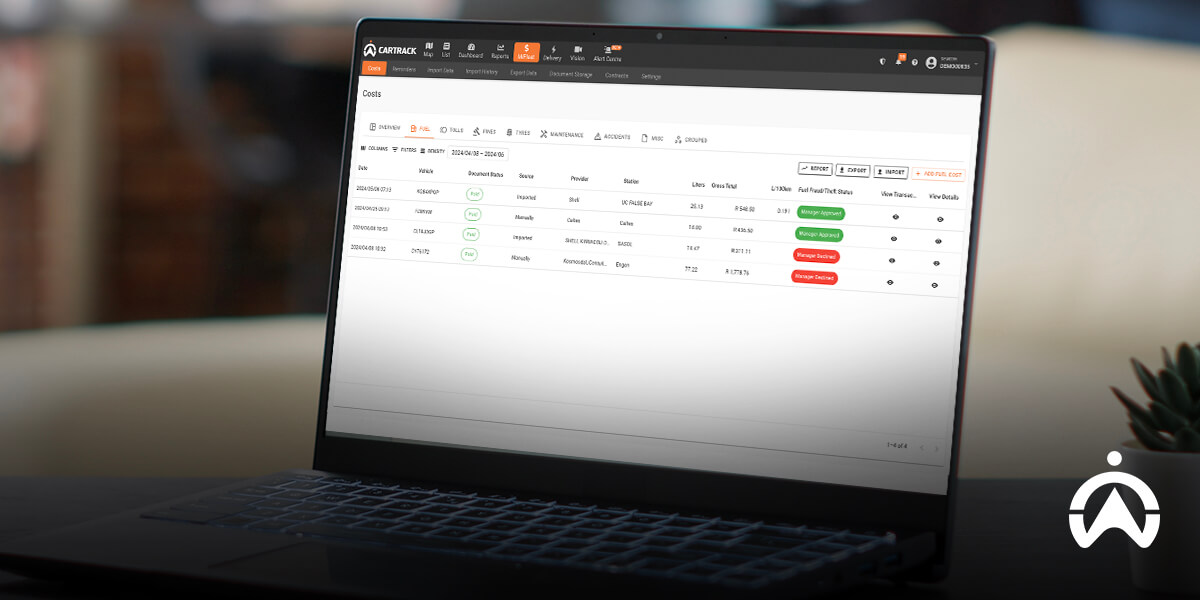
Improving fleet fuel‑management systems is the most effective way to carefully monitor fuel consumption and spending. Our fuel‑management system helps identify and address all fleet behaviors that affect fuel usage and provides data‑based insights so you can make decisions quickly.
Read also: How Aggressive Driving Can Affect Fuel Efficiency
Cartrack solution: Direct GPS tracking and fleet visibility
GPS telematics helps improve the accuracy of fuel‑management systems. By tracking the location and movement activity of vehicles, you can reduce the risk of fuel theft on short trips by comparing fleet fuel consumption with distance travelled and vehicle activity.
In addition, there are fuel‑efficiency reports designed to help you detect fuel inefficiencies in the fleet and introduce measures to reduce fleet fuel consumption, especially from untrained fleet drivers, which significantly impacts fleet fuel management and undermines all efforts to reduce fleet fuel consumption and fuel costs.
For more information about Cartrack's fleet management system, please click the link below!