EN
EN  ID
ID 


What Is Fleet Management?
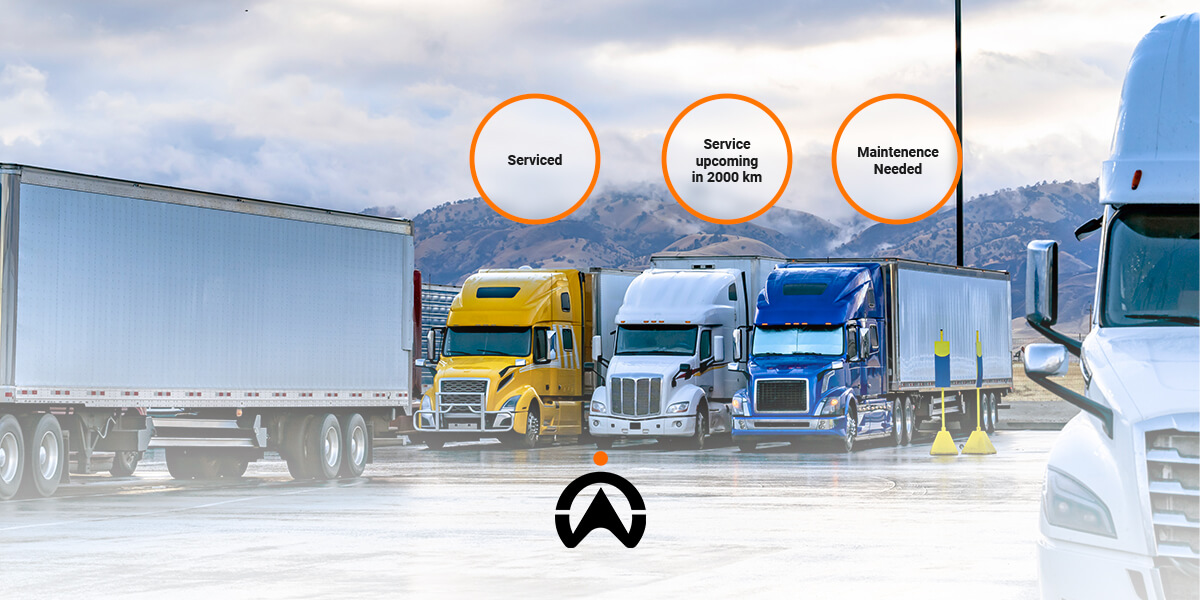
Essentially, fleet management is the comprehensive supervision and administration of fleet vehicles to improve efficiency and reduce costs. It includes all actions required not only to run fleet operations, but also to ensure they are carried out efficiently, at the lowest possible cost, and with maximum profitability. Whether managing a large or small fleet, you need to track all moving parts. Fleet management makes this possible!
What Is a Fleet Management Workflow?
A fleet management workflow is a series of repeatable and measurable steps or tasks arranged in a precise sequence to achieve a defined goal. This complex workflow involves several interrelated stages, strategic planning, and operational execution to build a smooth and effective fleet management system.
Why Is Fleet Management So Important to Fleet Success?
Fleet management is a critical component of fleet success due to its diverse impact on operational, financial, and safety aspects. Its significance lies in optimising resources and reducing operational costs through careful control of vehicle usage, maintenance, and fuel consumption.
What Are the Benefits of Fleet Management?
Fleet management provides various benefits for various aspects of fleet operations, including the following:
- Improving Fleet Efficiency: Fleet management improves fuel efficiency and reduces operational costs, resulting in increased overall efficiency.
- Extend Vehicle Life: Fleet management contributes to extending the life of vehicles by identifying and addressing potential problems early.
- Improving Delivery Services: Fleet management contributes to customer satisfaction through on-time deliveries, improved delivery services, and customer loyalty.
- Improve Safety and Maintenance: Fleet management contributes to increased safety, proactive maintenance, and reduced downtime, resulting in cost savings and increased operational safety.
- Enables Remote Management: Fleet management systems provide a comprehensive view of operations, enabling real-time remote management.
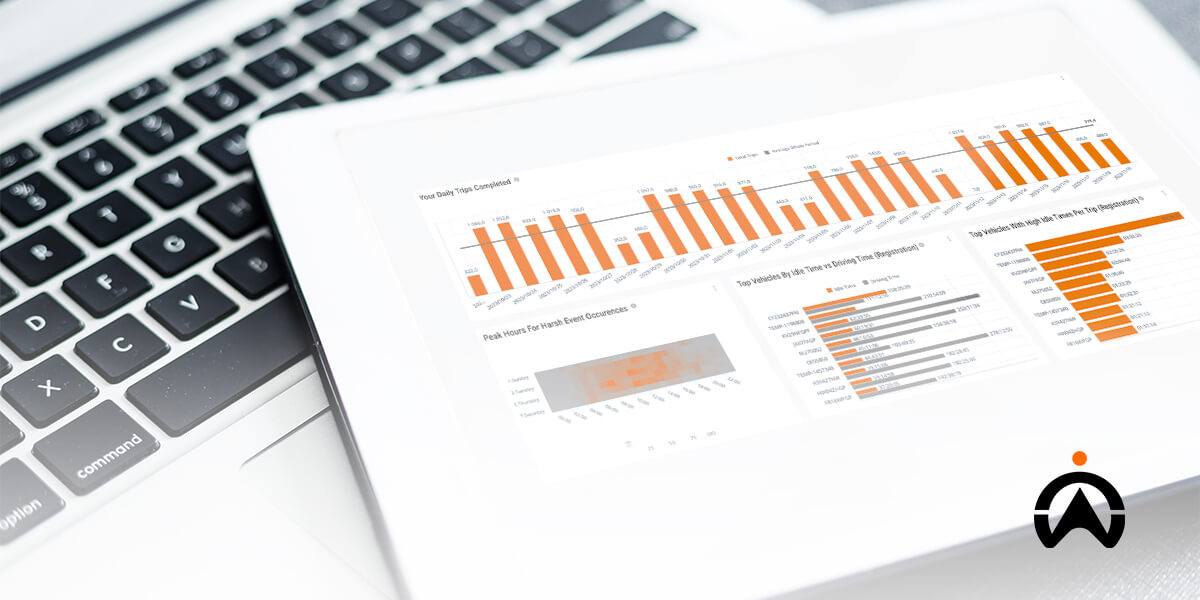
- Improves Data-Driven Decision-Making: Fleet management provides valuable data and insights into various aspects of the fleet, enabling data-driven decision-making.
- Reduce Costs: Fleet management software can help save money on fuel and maintenance, and significantly reduce overall fleet costs by tracking fuel usage, identifying fuel-wasting behaviour, and planning maintenance.
What Are the Key Elements of an Effective Fleet Management System?
The key to a successful fleet management system relies on several carefully designed elements to streamline operations, increase efficiency, and ensure optimal performance of the company's vehicle fleet. These elements include:
- Vehicle Tracking and Monitoring: Vehicle tracking and monitoring in fleet management involves the use of advanced technologies, such as Global Positioning Systems (GPS) and telematics. This allows fleet managers to monitor, track, and collect critical data about the whereabouts, performance, and operational metrics of their vehicles.
- Maintenance and Repair: Maintenance and repair in fleet management is a systematic approach to managing the maintenance, service, and repairs required for a fleet of vehicles. It is a critical aspect of fleet management, aiming to ensure vehicles remain in optimal operational condition, optimise reliability, safety, and fleet life while minimising unforeseen breakdowns and associated costs.
- Fuel Management: Fuel management in fleet management involves monitoring and controlling fuel-related activities, working to optimise fuel usage, reduce costs, and improve efficiency across the fleet. It encompasses a variety of processes and practices aimed at effectively managing fuel consumption, monitoring fuel costs, and ensuring vehicles operate at maximum efficiency.
- Driver Behaviour Monitoring: Driver behaviour monitoring involves the systematic observation, analysis, and management of how drivers operate vehicles while performing their duties. It utilises cutting-edge technologies such as telematics and onboard sensors, which work to collect and assess various aspects of driver behaviour and performance.
- Data Analysis: Data analysis involves the collection, analysis, and interpretation of data generated by various monitoring systems, sensors, telematics devices, and the software used to collect the data. It aims to extract meaningful insights to optimise fleet operations, improve efficiency, enhance safety, and reduce costs.
- Security Measures: These safety measures are essential to ensure driver well-being, protect assets, minimise risks, and protect against potential threats.
What Are the Main Challenges Faced In Fleet Management?
Navigating the fleet management landscape involves more than just handling it. There are various challenges that can significantly impact operational efficiency if left unmanaged. These challenges can include:
- Increase in operating costs: This includes the increased total costs associated with maintaining, operating, and managing a fleet of vehicles. These costs include various elements such as fuel costs, vehicle maintenance and repairs, and technology upgrades.
- Increase in maintenance costs: Refers to the increased costs incurred for maintenance, repair, and ensuring the proper functioning of vehicles in a fleet.
- Fuel theft: Fuel draining is a significant challenge in fleet management. It involves unauthorised fuel extraction from fleet vehicles (e.g., by siphoning) or fuel-wasting behaviour by drivers.
- Vehicle downtime: Downtime in fleet management refers to the period when a fleet vehicle or asset within a fleet is unusable due to various reasons such as maintenance, repairs, accidents, breakdowns, or other unforeseen issues that render the vehicle inoperable.
- Data overload: Data overload refers to the excessive volume or complexity of fleet information generated by the various monitoring systems, sensors, telematics devices, and software used to collect data. This occurs when fleet managers are bombarded with vast amounts of data that exceed their capacity to process, analyse, and derive insights from their fleet, vehicles, and drivers.
- Damage or deterioration of goods: Most shipped items are temperature-sensitive, such as food and medicines. This makes timely delivery crucial to ensure freshness and quality.
9 Solutions to Improve Fleet Management Workflow
The challenges above can be a major source of stress for fleet managers and impact the overall efficiency of the fleet. Here are nine fleet management workflow solutions that can help:
-
Take advantage of fleet management software:
Fleet management software is a computer program that helps businesses and organisations manage their fleets of vehicles. It can be used to perform a variety of fleet-related activities, helping businesses save money, increase efficiency, and reduce environmental impact.
-
Implement real-time vehicle and asset tracking:
This technology uses GPS and other sensors to track the location and status of vehicles and fleet assets in real-time. This is important for a variety of reasons, including:
– Enhanced visibility: Real-time location updates allow fleet managers to have a comprehensive view of vehicle and asset movements, reducing uncertainty about their whereabouts.– More effective route planning: Real-time vehicle visibility helps identify road conditions that could cause delays, such as traffic congestion. This helps fleet managers plan and improve routes in real-time.
-
Adopt a fuel management system:
Fuel management is a crucial part of fleet management. It plays a crucial role in addressing various fleet challenges by optimising fuel usage, reducing costs, and improving operational efficiency. Involving the monitoring, analysis, and control of fuel consumption, it is essential for:
– Cost reduction: An effective fuel management strategy helps monitor fuel consumption patterns, identify inefficiencies, and reduce overall fuel costs through better utilisation.– Fuel theft prevention: Monitoring fuel levels and usage can help detect and prevent fuel theft in a fleet.
-
Preventive maintenance:
Preventive maintenance is a proactive approach to fleet maintenance that involves scheduling regular inspections, maintenance, and repairs to prevent potential problems and maximise vehicle functionality and availability. Preventive maintenance is important for:
– Reducing fleet downtime: Ensuring vehicles are maintained helps minimise the occurrence of unexpected breakdowns and expensive repairs.– Extend vehicle life: Timely maintenance, such as oil changes and filter replacement, can extend the life of a vehicle and reduce the frequency of replacements and associated costs.
-
Route optimisation:
Route optimisation is a crucial aspect of fleet management, involving planning and selecting the most efficient routes for vehicle travel. It significantly helps address various fleet challenges by increasing efficiency, reducing costs, and improving overall performance. It is essential for:
– Improving customer service: Optimised routes help in timely deliveries thus leading to increased customer satisfaction.- Real-time adaptability: Route optimisation software offers real-time updates, allowing dynamic adjustments in response to traffic congestion, accidents, or unexpected delays.
-
Driver behaviour monitoring:
Driver behaviour monitoring solutions can identify and address risky driving behaviour. They can also provide feedback to drivers to help them improve their driving habits.
– Reducing accidents: By addressing unsafe driving behaviours, fleets can significantly reduce the frequency of accidents and associated costs, including vehicle repair costs, medical expenses, and downtime.– Enhanced safety: Monitoring driver behaviour helps identify dangerous and distracting driving habits such as speeding, harsh braking, etc., thus enabling corrective action to reduce the risk of accidents.
-
Strengthen cargo security:
Cargo security in fleet management involves specific strategies, practices, and technologies used by fleets to protect goods during transportation and storage. It is a critical aspect of fleet management because it plays a role in:
– Protection of valuables: Protect your cargo by monitoring it constantly. Loss of cargo, whether due to theft, misplacement, or damage, causes financial losses and negatively impacts a business's reputation.– Risk mitigation: Cargo security reduces the risk of damage, theft, or loss of cargo during transportation, thereby minimising potential financial losses for the fleet.
-
Automatic data entry:
Automated data entry refers to the use of automated technology to collect, process, and input data into a fleet management system. This can help streamline operations, reduce manual data entry errors, and improve overall efficiency.
– Improved accuracy: Automated data entry reduces human error associated with manual input. This not only ensures accuracy in data collection and input, but also reduces time spent on manual tasks, allowing fleet managers to focus on more strategic, value-added activities.– Simplified operations: Automatic data entry helps fleet managers know exactly what is happening with their fleet at all times.
– Drive data-driven decision-making: By digitising and automating data entry, fleet managers can make accurate, data-driven decisions about their routes, fuel efficiency, and vehicle condition.
-
Data-based decision making:
Data-driven decision-making involves collecting fleet data from multiple sources, including telematics, GPS, maintenance records, and vehicle diagnostics, to make informed and strategic decisions. This is essential for:
– Accurate resource allocation: Analysing usage data helps optimise vehicle and driver allocation, ensuring optimal use of available resources, and reducing downtime.– Improve fleet efficiency: By analysing historical and real-time data, fleet managers can identify inefficiencies in routes, operations, and vehicle usage, helping them optimise fleet processes and improve fleet efficiency.
Improve Fleet Workflow with Cartrack Indonesia
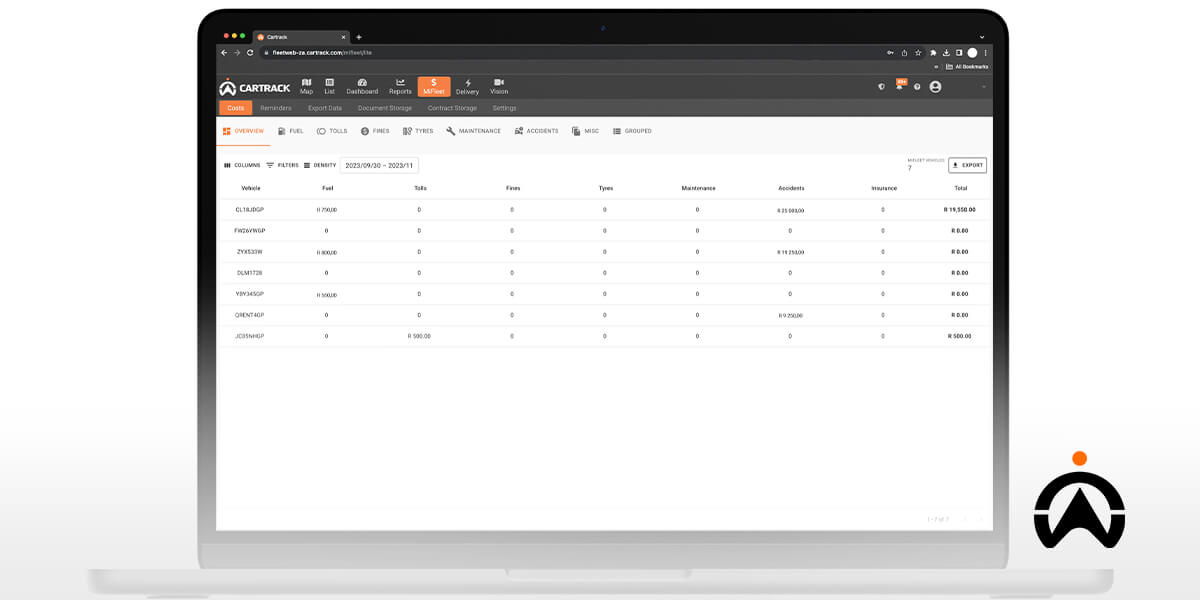
We've outlined ways to improve fleet management workflows. Now, let's explore how Cartrack Indonesia can simplify fleet workflow management with a single fleet management solution.
Fuel management system: Cartrack Indonesia's fuel management system is a comprehensive solution that revolutionises the way businesses manage fuel consumption. The fuel management system integrates advanced technology and to provide real-time monitoring, analysis and control over fuel usage within the fleet.
This software improves fleet management workflow through:
– Real-time fuel consumption data: Cartrack Indonesia’s fuel management system provides fuel consumption data alerts, enabling fleet managers to monitor fuel usage and identify areas for improvement.
– Prevent fuel theft and card fraud: Cartrack Indonesia's artificial intelligence algorithm automatically compares fuel receipts with the vehicle's location and fuel status. It automatically flags suspicious fuel activity, even if it's caused by fuel theft (e.g., siphoning), helping reduce fuel waste.
– Reduce fuel waste: Monitor your vehicle's daily fuel tank level and know how much fuel your vehicle consumes throughout the day. This data helps identify areas of fuel waste and take steps to optimise fuel efficiency.
Real-time vehicle and asset tracking:
Real-time vehicle and asset tracking is a key feature in fleet management workflows to improve operational efficiency. Cartrack Indonesia provides a reliable tracking solution that utilises GPS and telematics technology to provide real-time monitoring and reporting on the position, speed, and status of vehicles or assets. This helps improve fleet management workflows by:
– Improving fleet visibility: Cartrack's real-time vehicle monitoring provides enhanced visibility across the entire fleet, enabling fleet managers to accurately track vehicle movement and status, even when vehicles are off-site or in transit.
– Route optimisation: Real-time vehicle monitoring allows fleet managers to dynamically plan and optimise routes based on current traffic data and road conditions. By selecting the most efficient routes, fleet managers can improve delivery efficiency and reduce travel times.
- Enhanced safety: Real-time tracking helps improve fleet safety by providing rapid monitoring and response to emergencies, accidents, or other unexpected events.
Maintenance and repair management:
Cartrack Indonesia's maintenance and repair management is an integrated solution designed to maximise vehicle performance and lifespan through intelligent maintenance planning and condition monitoring. It is a critical component of the fleet management workflow by:
– Scheduled maintenance: Cartrack's maintenance management system helps create a regular maintenance schedule based on vehicle usage and operating hours. This includes periodic inspections, oil changes, part replacements, and other maintenance tasks recommended by the vehicle manufacturer.
– Vehicle condition monitoring: Cartrack Indonesia’s telematics sensors and onboard devices provide real-time vehicle condition monitoring, enabling early detection of potential problems or failures. This helps reduce the risk of unexpected breakdowns and costly urgent maintenance.
– Maintenance warning: The system provides automatic maintenance alerts based on condition monitoring and scheduled maintenance schedules, notifying fleet managers of required maintenance work. This helps prevent maintenance delays and ensures vehicles remain in optimal operating condition.
Overcoming Fleet Management Challenges With Cartrack Indonesia
Cartrack Indonesia offers integrated solutions to help businesses address fleet management challenges, improve efficiency, and optimise overall fleet performance. By providing advanced technology and powerful data analytics, Cartrack can improve fleet management workflows through:
– Real-time vehicle and asset tracking: Gain enhanced visibility across your entire fleet, monitor vehicle position and status in real-time, and optimise routes to improve operational efficiency.
– Maintenance and repair management: Plan and monitor scheduled vehicle maintenance, monitor vehicle conditions in real-time, and receive maintenance alerts to avoid disruptions and extend vehicle lifespan.
– Fuel management: Monitor fuel consumption in real-time, detect fuel theft, and identify waste areas to optimise fuel usage and reduce costs.
– Driver behaviour monitoring: Identify risky driver behaviour, provide feedback to drivers, and improve fleet operational safety and efficiency.
– Data analytics: Leverage powerful data analytics to gain meaningful insights, make data-driven decisions, and optimise fleet operations.
Cartrack Indonesia offers integrated solutions that include real-time vehicle and asset tracking, maintenance and repair management, fuel management, driver behaviour monitoring, and data analytics. By leveraging advanced technology, Cartrack helps businesses improve fleet visibility, optimise resource usage, increase operational efficiency, and reduce overall fleet costs.
Integrating Cartrack Indonesia into your fleet management workflow can make fleet operations more efficient, safe, and successful. Learn more by clicking the link below!