EN
EN  ID
ID 


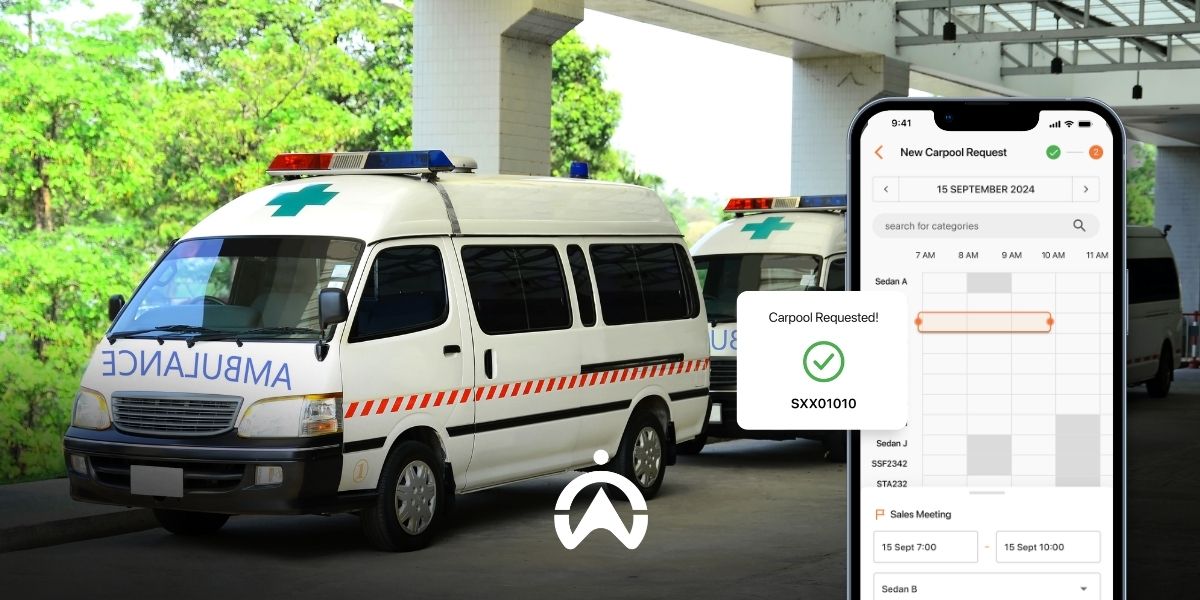
In ambulance operations, every second counts. For this reason, technology is needed to improve operational efficiency. Systems such as vehicle tracking can help improve ambulance response times. The platform (mobile application and web-based software) also makes overall ambulance fleet management more practical.
1. Track the nearest ambulance to the location
A fast response rate is crucial for people who require emergency care. For this reason, it is important for operators or dispatchers to have access to the full locations of all ambulances belonging to the provider. Ambulance deployment becomes more effective because operators can identify the nearest ambulance to the patient’s location and estimate the arrival time.
2. Know the traffic situation
Operators can view traffic conditions through a vehicle tracking platform integrated with Google Maps. This information can assist operators in dispatching ambulances or guiding drivers to pick up or divert routes with minimal disruption.
3. Accelerate the Provision of Information to Related Parties
The vehicle tracking platform has a real-time location sharing feature with an adjustable validity period. In urgent situations, operators can share ambulance location information with relevant parties who can assist, such as certified paramedic responders, police, and emergency department staff.

4. Know the Patient Transport and Drop-off Times
Vehicle tracking systems typically also offer a range of additional features, including door sensors. These sensors provide information on door opening and closing activity, such as location, opening and closing times, and the duration of each door opening. By installing these sensors on patient cabin doors, ambulance providers can monitor the timing and efficiency of patient transport and disembarkation.
5. Detecting the Driver on Duty
For this requirement, ambulance providers need driver identification tags (DID). Each driver is assigned a unique tag (an iButton device), which must be tapped on a reader installed in the ambulance. This allows operators to identify which driver is assigned to each trip.
6. Have Accurate Evidence for Billing
With a vehicle tracking system, ambulance providers have comprehensive historical data, such as the ambulance units dispatched, distance travelled, destination locations, arrival times, stop durations, and more. This detailed information makes it easier for ambulance providers to calculate charges.
Vehicle tracking systems improve professionalism in ambulance services by enhancing response times. Faster ambulance response times can help patients receive treatment more quickly, thereby reducing mortality rates. Are you involved in ambulance services? Contact us here to find out more about how Cartrack’s vehicle tracking system can improve the efficiency of your ambulance services.