EN
EN  ID
ID 


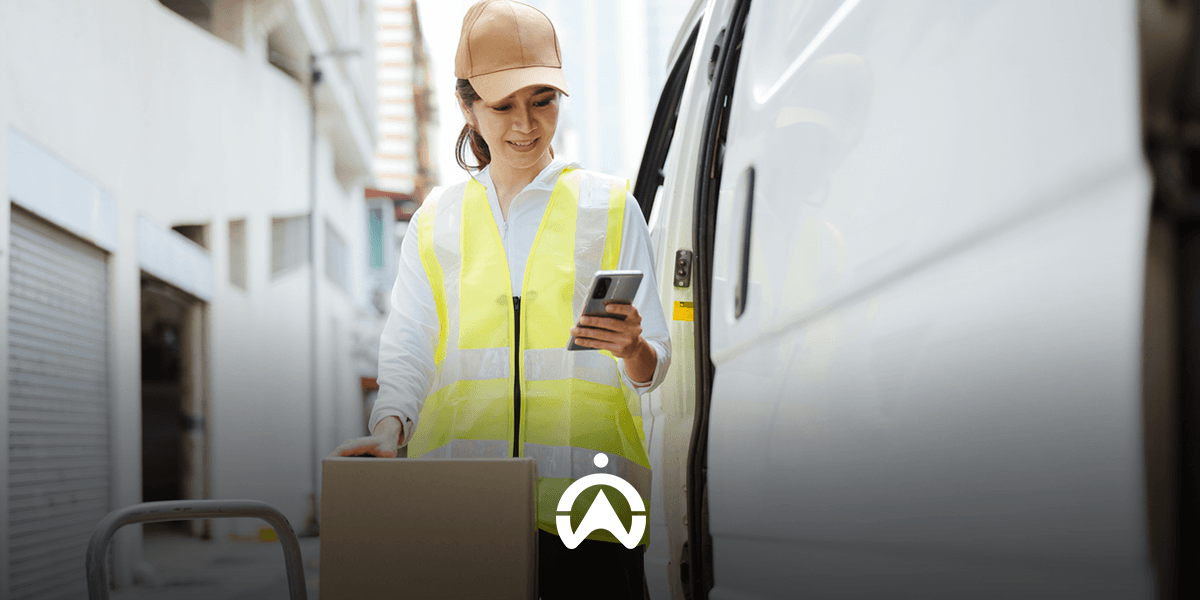
Because their work is behind the scenes, the role of a dispatch controller is not widely recognised by others. However, dispatch controllers are the backbone of a trucking company. This means they need to be efficient and effective task managers. In this article, we will discuss the role of dispatch controllers, task management tools from Cartrack Indonesia, and their benefits.
First of all, what is a dispatch controller and what are their responsibilities?
A dispatch controller is an individual who oversees a business’s delivery operations. A dispatch controller assigns drivers to deliveries, optimises driver routes, tracks vehicle locations, collaborates with drivers, and communicates with customers.
Even though dispatch controllers are not physically with large trucks all day, they work hard behind the scenes by coordinating and managing drivers’ schedules and routes to ensure goods are delivered safely and on time.
Here are 6 things dispatch controllers typically do every day:
- Managing operational costs: Every day, dispatch controllers are responsible for coordinating and managing fleet operations to achieve set goals with maximum productivity and the lowest operational costs. A dispatch controller must quickly find creative ways to solve problems and optimise routes to save time, resources, and money.
- Staying organised and focused: Dispatch controllers are very busy on a daily basis. They coordinate deliveries, make calls, and manage drivers, vehicles, and routes. Amid all this activity, dispatch controllers need to stay highly focused, remain organised with task lists, and be able to manage high customer expectations and high levels of driver stress.
- Optimising technology: Technology is a tool used by dispatch controllers every day, from GPS tracking devices and smartphones to fleet management systems from Cartrack Indonesia fleet management. Dispatch controllers in the trucking industry use technology daily to keep operations running smoothly, safely, and on time.
- Collaborating with drivers: As dispatch controllers, communication and collaboration are very important. Every day, dispatch controllers maintain constant communication and conduct regular check-ins with drivers.
- Ensuring fleet compliance: A dispatch controller’s responsibility is to ensure that company operations comply with fleet regulations. Every day, dispatch controllers ensure that drivers are fit and healthy, well-rested, and that vehicles are safe and roadworthy.
- Maintaining client satisfaction: Unhappy clients can result in dispatch controllers losing their jobs and damaging the company’s reputation. Ensuring customer satisfaction is a major part of a dispatch controller’s responsibilities.

Why is task management so important?
Dispatch controllers must know what, how, and when all tasks need to be completed. That is the main reason why task management is so essential.
Task management plays an important role in the success of fleet operations because it helps dispatch controllers keep everything running smoothly. All fleet operations—from planning, reporting, analysis, evaluation, creation, to execution—require task tracking to remain efficiently controlled in real time.
Task Management Tools enable dispatch controllers to track tasks accurately and understand everything they need for each task in order to meet customer and business expectations perfectly.
7 Benefits of Using Task Management Tools
Every type of business can benefit from task management tools to manage employees, teams, assets, tasks, and other resources such as time and budget. Task management tools allow you to:
- Organising all tasks on a single platform: With the right task management tool, dispatch controllers can manage all their work from one platform. Dispatch controllers can easily delegate tasks, monitor them at a glance, and promptly address any delays or issues.
- Prioritising tasks based on urgency: Not all tasks have the same priority. With task management tools, dispatch controllers and teams can focus on tasks according to their urgency, from the most important to the least important.
- Improving team collaboration: Task management tools include features that enhance collaboration, such as user mentions and task comments, helping teams communicate efficiently. Teamwork makes work easier, making it simpler to achieve shared goals.
- Breaking down complex tasks and managing multiple tasks: Task management requires planning to ensure smooth execution. Small delays or errors can lead to major issues in fleet-based companies. Task management tools make the process of creating and completing multiple tasks easier and more efficient to manage.
- Automating tasks: Some tasks, such as monthly reports, occur on specific dates throughout the year. Instead of setting recurring tasks manually, task management tools use automation to create tasks every month or week, based on the dispatch controller’s needs.
- Real-time access to task progress: Dispatch controllers manage multiple drivers, vehicles, clients, and deliveries at the same time. With task management tools, dispatch controllers can monitor the progress of all these tasks on a single platform.
- Increasing profitability: Profit is a benefit that business owners across all industries aim for. Customer satisfaction and business profitability are positively influenced by task management software such as Cartrack Indonesia, which offers the benefits mentioned above. With the right task management tools, businesses can take advantage of each of these benefits. Good task management tools include features that prepare businesses for sustainable success.

There are several task or fleet management tools available, but companies need to choose the best one!
Choose Fleet Management Tools from Cartrack Indonesia! Get the ease of managing tasks, tracking progress, and collaborating seamlessly—all from a single platform.
Contact Cartrack Indonesia now to get the best task management solution in Indonesia!