EN
EN  ID
ID 


In the increasingly competitive world of transportation and logistics, fleet monitoring has become a necessity. Besides fleet management systems, another solution widely used by companies is front- and rear-mounted car dashcams.
Using front and rear dashcams is a strategic approach that not only improves safety but also operational efficiency. Read more about these dashcams in the following article.
What is a Front and Rear Car Dashcam?
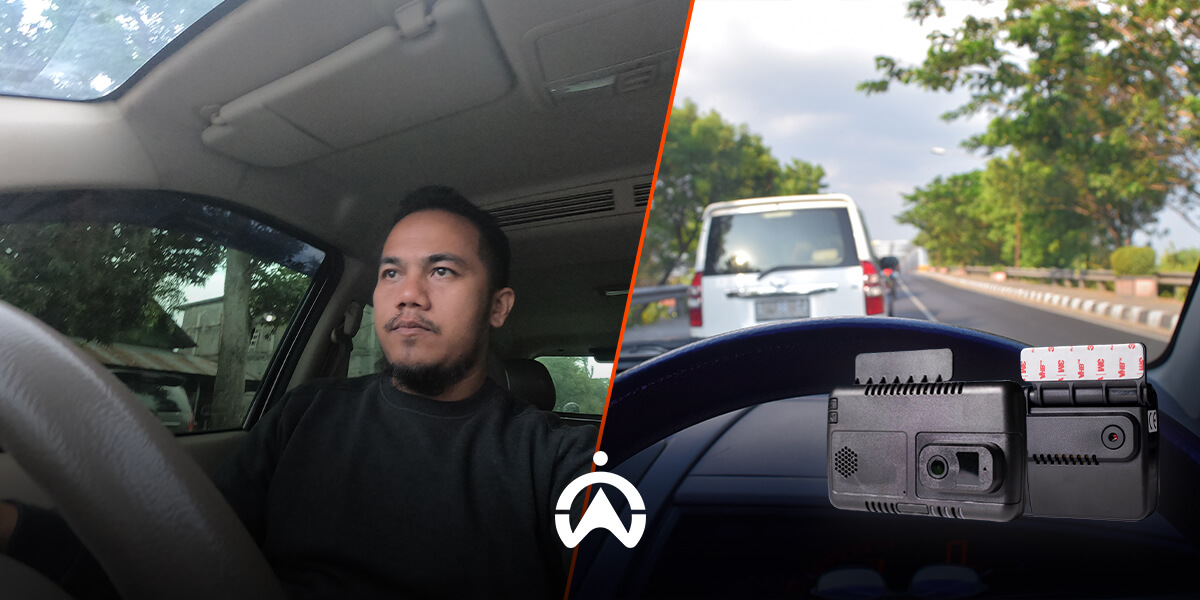
A front-rear car dashcam is a dashboard camera that consists of two cameras facing the front (road) and the rear (cabin). This type of device is also often referred to as a dual camera dashcam.
Unlike dashcams, which can only record road conditions ahead, this device also adds driver monitoring functionality. This allows drivers to perform their duties safely, efficiently, and to standards.
Front and rear car dashcams on the market usually have superior features, ranging from Artificial Intelligence (AI) to wireless car dashcams.
Benefits of Using Front and Rear Dashcams
The benefits of using a front and rear dashcam or dual camera dashcam include:
1. Transparency and Evidence of Incidents
A front-facing camera facing the road would be invaluable for accident investigations and insurance claims. The footage could also be used for internal audits of risky driving behavior.
2. Monitoring Driver Behavior
In addition to driving behaviors like speeding, sudden braking, or sharp turns, the device can also record risky behavior in the cabin, such as distracted driving, using a mobile phone, or smoking.
3. Remote Fleet Monitoring
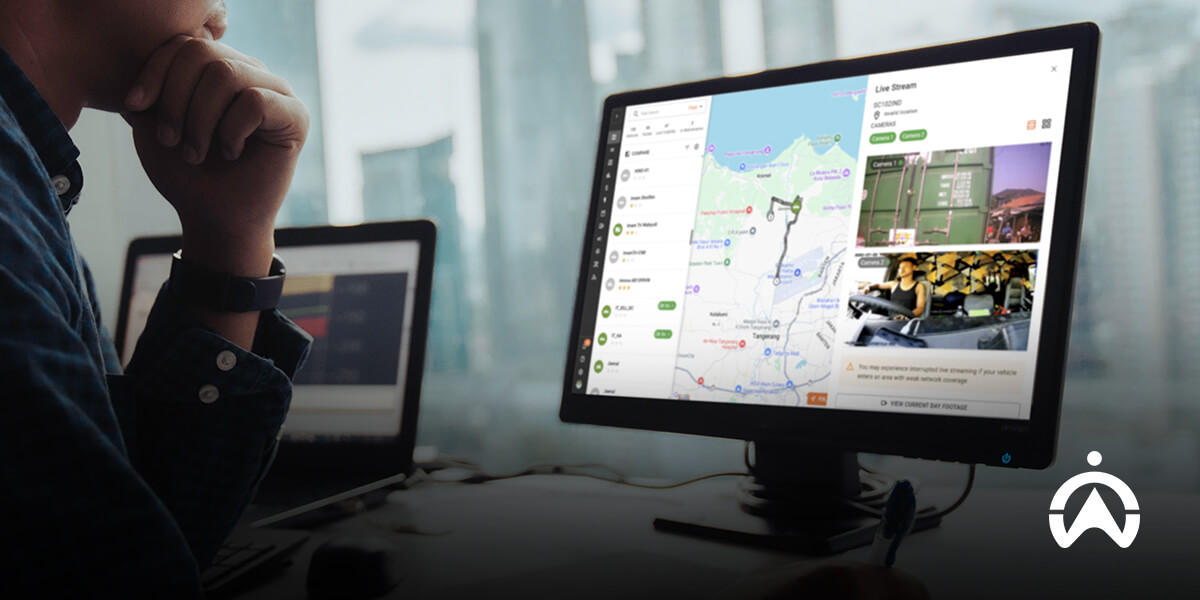
Visual access to road conditions and driver activity in the cabin will provide a clear overview of operational progress. This will also indirectly improve driver behavior, as they will know they are being monitored.
4. Reduce Operational Costs
By monitoring driving behaviors such as sudden braking, speeding, and idling, fuel consumption can be reduced. This will also reduce operational costs and maximise efficiency.
Best Dashcam Recommendations for Improved Driver Safety
Tips for Choosing the Best Front and Rear Dashcam for Your Fleet
Choosing a car camera for a company's operational fleet will be different from choosing a camera for a personal vehicle. Here are some things to consider when choosing a front and rear dashcam.
1. High Video Quality (HD/Full HD)
Choose a camera with a minimum resolution of 720p (HD) or 1080p (Full HD) for clear, blur-free footage, especially of faces. This will be especially helpful if the footage is later needed as evidence in an incident or traffic violation.
2. Cloud and Live-Streaming Features
This feature allows you to monitor directly from your company's control center. This way, you can ensure operational vehicles are being used as intended.
3. Large Capacity Storage
Storage capacity is crucial, as it relates to recordings that will be accessed later. Ensure the device you choose has ample storage to prevent data from filling up quickly and requiring deletion.
4. Fitur Artificial Intelligence (AI)
AI-powered cameras would be extremely beneficial in improving driver behavior, which is often aggressive on the road. AI features can detect risky behavior such as drowsiness or distraction and immediately issue an audible warning.
5. Integration with Fleet Management System
Ensure the device you choose integrates with your fleet management system to enable truly comprehensive monitoring. This also makes it easier to identify where risky behavior is occurring.
Cartrack's Best Front and Rear Dashcam Recommendations
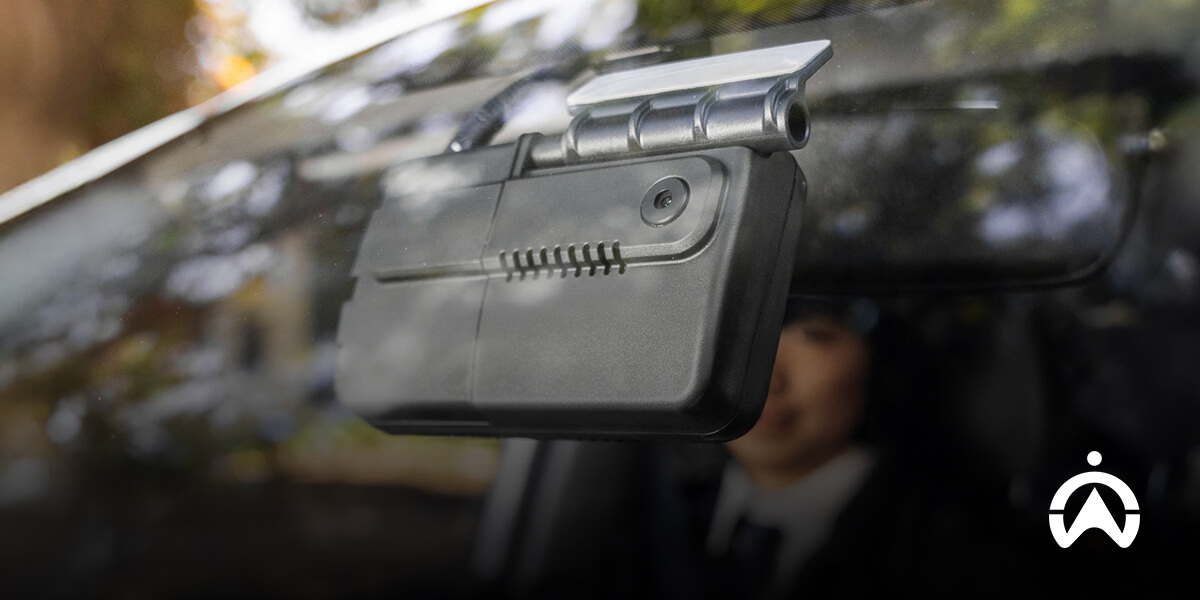
One of Cartrack's camera monitoring solutions is the Dual Vision, a front-and-rear car dashcam. This device features two cameras, one facing the road and the other facing the driver.
In addition to monitoring road conditions and the surrounding environment, this device is also useful for monitoring driver behavior. Dual Vision comes in two options: AI and non-AI, which you can choose based on your needs.
AI Dual Vision makes it easier to monitor your driver because this device is equipped with AI to detect risky behavior. Once such behavior is detected, an immediate audible alert will sound. The following triggers an alert:
-
Fatigue
-
Not focus
-
Use of mobile phones
-
Smoking
-
Use of seat belts
-
Potential accident from the front
-
Camera closure
In addition to Dual Vision and AI Dual Vision, Cartrack also has several other camera monitoring solutions, namely:
-
Road Vision: Specifically for road monitoring, functioning like a standard dashcam.
-
Multi Vision: Non-AI camera system with up to 4 cameras per vehicle unit.
-
AI Multi Vision: Cameras with AI up to 4 cameras per unit.
-
AI Multi Vision Pro: Fleet cameras with AI up to 8 cameras per unit.
With a fleet of 4 to 8 cameras, you can use them both inside and outside the vehicle. You can also minimize blind spots with an in-cabin monitor.
Best Dashcams for Private Cars and Fleets
Price and How to Subscribe
Cartrack's front-and-rear cameras, or Dual Vision cameras without AI, are available on a monthly subscription basis starting at Rp275,000. The AI Dual Vision subscription starts at Rp550,000.
Cartrack offers more than just front and rear dashcams; it also offers a camera monitoring solution with up to eight internal and external cameras for a single vehicle. Complete your details in the digital form below so our team can contact you with the best fleet camera offer.