EN
EN  ID
ID 


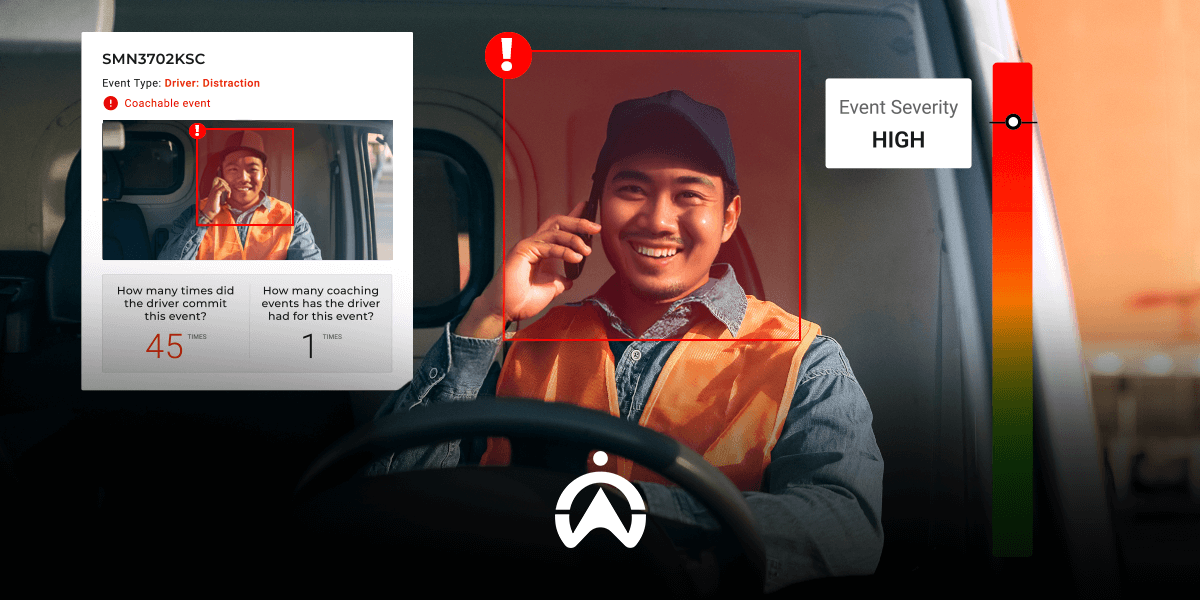
Advanced Driver Assistance Systems (ADAS) in cars are the latest automotive technology used to improve road safety. You can already find this technology in the latest cars and trucks, especially Electric Vehicles (EVs).
In the transportation and logistics industry, ADAS technology is key to reducing accident risks, lowering operational costs, and maintaining company reputations. ADAS is no longer just about driver safety; it's now also a business efficiency strategy.
What is Car ADAS?
Automotive ADAS is a collection of safety systems that can provide automated responses in the form of warnings and interventions to prevent accidents. This automation is based on information gathered by the vehicle's sensors, radar, and cameras.
This system helps drivers become more alert by activating warnings in the form of alarms, specific sounds, and vibrations on the steering wheel. With more advanced technology, ADAS may also intervene to prevent hazards, such as by applying automatic braking.
Car ADAS features are extremely beneficial in minimising human error while driving, which often leads to accidents. Car manufacturers generally develop their own ADAS systems tailored to the needs of their consumer market.
What Features Are Available in ADAS?
As a combined system, ADAS consists of several features, each with a distinct function in improving driving safety. Some of the key features you'll find in a car's ADAS are:
1. Adaptive Cruise Control (ACC)
This feature allows the car to adjust its speed based on data from on-board sensors, radar, or cameras. This allows drivers to maintain a safe distance from the car in front and prevent head-on accidents.
2. Lane Departure Warning (LDW)
This system uses sensors to detect lane markings on the road and provide a warning if the vehicle strays. This feature, also known as lane keeping, is extremely helpful if you accidentally stray from your lane due to a lack of focus.
3. Automatic Emergency Braking (AEB)
Unlike ACC, which only adjusts speed, this feature controls the brakes to slow the car down or stop it completely if a collision is imminent. This applies not only to the vehicle in front but also to other objects such as road dividers or pedestrians.
4. Blind Spot Monitoring
Blind Spot Monitoring detects blind spots in a vehicle that are not visible from the driver's seat or rearview mirror. This allows drivers to be more careful about hitting other vehicles, especially on busy roads.
5. Traffic Sign Recognition (TSR)
Traffic Sign Recognition (TSR) is a feature that helps you identify traffic signs. When it detects a specific traffic sign, the system displays it on the screen so you can obey it.
6. Driver Drowsiness Detection
Using a camera pointed at the driver, this feature can detect signs of fatigue, such as yawning or nodding off. The technology will provide an immediate audible warning so you can refocus on driving.
Also Read: Getting to Know the Internet of Things (IoT), How It Works, and Examples of Its Use
How Does Car ADAS Work?
ADAS systems have a dedicated control unit in the vehicle where information gathered by sensors, radar, and cameras is processed. It works as follows:
1. Sensors, radars, and cameras collect information
Sensors, radar, and cameras connected to a car's ADAS system collect information about the vehicle's surroundings. This information can include images, distance to other vehicles, and so on.
2. Data is processed in the Electronic Control Unit (ECU)
The data is then forwarded to the Electronic Control Unit (ECU) in the ADAS system for processing. Based on the processing results, the system will issue a warning or perform automatic intervention to mitigate the hazard.
3. Warnings and interventions are carried out
Automatic warning responses can include alarms, sounds, or steering wheel vibrations, depending on the technology used. Meanwhile, automatic interventions can include emergency braking, automatic speed adjustment, and so on.
What are the Benefits of Car ADAS?
One of the most common causes of road accidents is human error. The general function of ADAS is to reduce the risk of accidents and their impact on drivers, thereby increasing safety.
1. Reduce the risk of accidents
ADAS features help drivers avoid accidents in their own ways. For example, the Accelerated Assistance (ACC) feature adjusts speed, or the Drowsiness Detector detects fatigue.
2. Helping the driver
ADAS can also assist you while driving, for example through the Blind Spot Monitoring feature, which allows you to see conditions around all sides of the vehicle. This not only prevents and reduces the risk of accidents but is also very helpful when parking.
3. Increase situational awareness
By being aware of their surroundings, drivers can be more alert and have situational awareness while driving. This allows them to make decisions such as increasing speed or changing lanes more carefully.
4. Driving comfort
You can drive more comfortably with features that make driving easier. For example, Blind Spot Detection makes parking easier, or Traffic Sign Recognition helps you recognize traffic signs.
5. Increased efficiency
Speeding and sudden braking are fuel-wasting driving habits. With warning and intervention systems, you're less likely to brake or accelerate suddenly, resulting in more fuel efficiency.
Do All Cars Have ADAS?
The technology used in ADAS was previously limited to high-end cars. However, many mid-range cars now use the same technology, particularly in electric vehicles (EVs).
Not all cars currently in use in Indonesia are equipped with the latest ADAS technology with a high level of automation. However, you can add your own features with similar functionality, such as Cartrack's AI Vision.
Read also: How IoT Temperature Sensors Work in Monitoring Fleet Storage Temperature
AI Vision: ADAS Camera from Cartrack
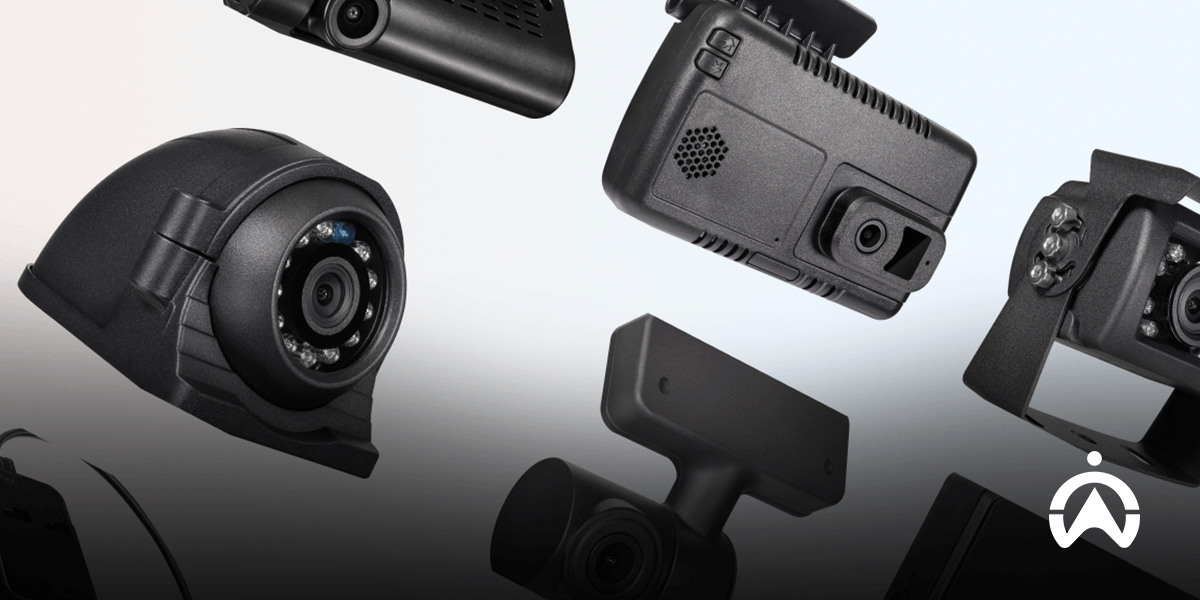
Cartrack's AI Vision not only functions as a fleet camera but also as an artificial intelligence (AI)-powered driving assistant. This camera can provide audible alerts if any of these risky behaviors are detected, such as:
-
Front Collision Warning: Monitors vehicle speed and distance to other vehicles and provides a collision warning if they are too close.
-
Cell Phone Detection: Detects cell phone use that can distract you while driving.
-
Distracted or Fatigued Driving: Detects the driver's head and eye position to determine if they've been distracted for a certain period of time. This feature helps companies prevent fatigue-related accidents, a leading cause of fleet incidents.
-
Passenger: Detects the presence of passengers entering when the vehicle engine is running.
-
Camera Cover Detection: Detects if the driver intentionally or unintentionally covers the camera so that monitoring is obstructed.
-
Seatbelt Detection: Ensures seatbelt use, for both drivers and passengers, to minimise the risk in the event of an accident.
Get an AI camera from Cartrack starting at Rp550,000 per month, including installation. Here's what you'll get:
-
Fleet telematics
-
Night Vision
-
LiveStream video & audio (real-time camera monitoring)
-
Remote request footage
-
Direct in-cab calling: 2 way communication
-
Audible in-cabin AI safety alerts
-
AI event based footage auto upload
-
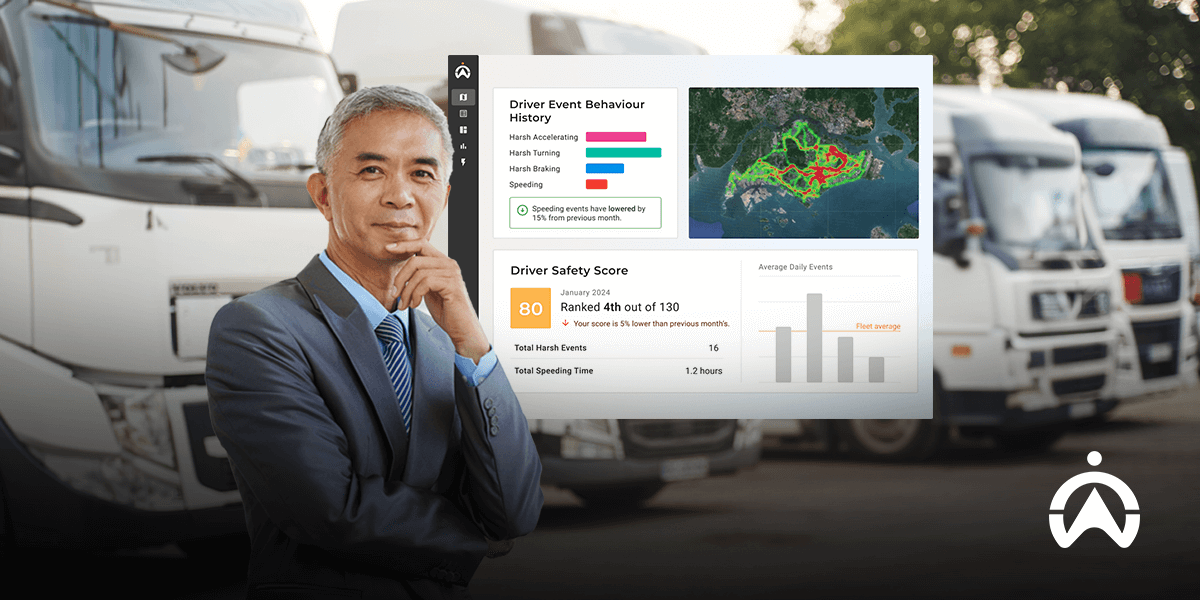
Coaching tool
Conclusion
More than just advanced technology, automotive ADAS is a real solution for safety, efficiency, and cost savings in fleet management. With Cartrack's AI Vision, you can reap the benefits of ADAS without having to replace your vehicle.
Protect your vehicle assets and drivers with intelligent, data-driven, and AI-driven safety systems. Fill out the form below, and the Cartrack team will help you choose the best ADAS camera solution for your fleet.
Also Read: This is the Best Panic Button for Your Vehicle!