EN
EN  ID
ID 



The Appeal of Fuel-Efficient Devices
The appeal of fuel-saving devices lies in their promise of effortless fuel savings and a quick approach to all fuel-use challenges. Many consumers who are skeptical or don't have the time to learn traditional fuel-efficiency tips find these devices very appealing. However, things aren't always as they seem.
Most of these devices are based on unsubstantiated scientific claims or use ineffective methods to purportedly improve fuel efficiency. Many methods are ineffective or even harmful to the vehicle. Before purchasing a fuel-saving device, it's important to conduct thorough research and consult with experts to ensure its safety and effectiveness.
The reality is, there is no magic pill for improving fuel efficiency, only effective fuel and fleet management solutions, so be wary of claims that sound too good to be true.
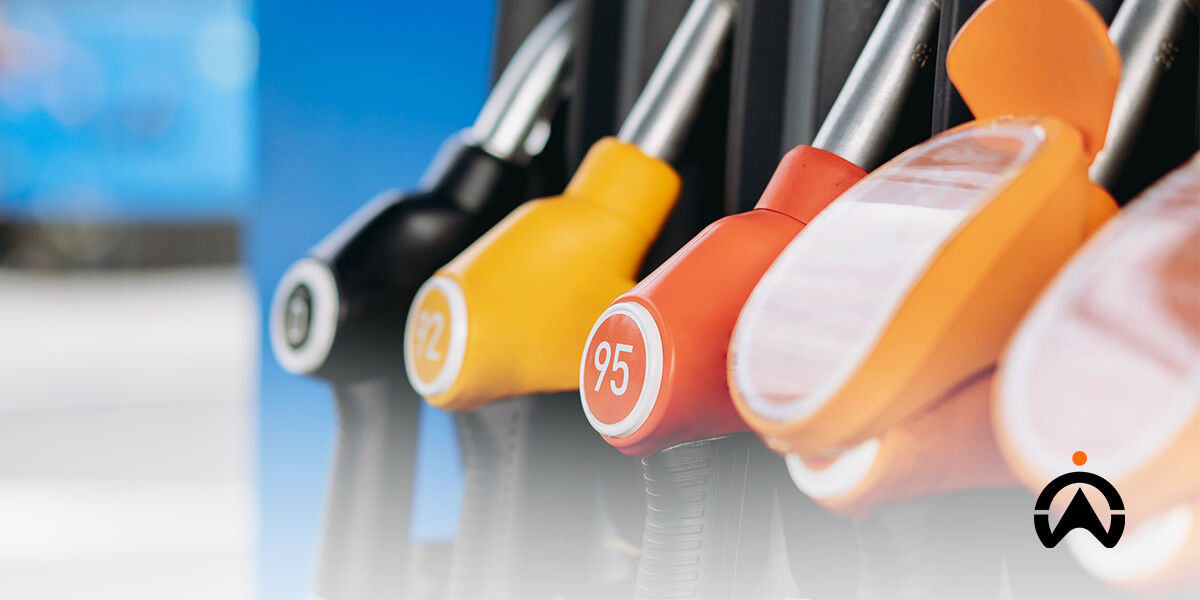
Do Fuel Saving Devices Really Work?
The simple answer is no. Fuel-saving devices generally don't work as expected and don't even provide significant improvements. Here are some common myths about fuel-saving devices:
- Myth 1 – Magnetic Fuel Savers:
Starting with the most popular myth, these devices claim to improve fuel economy by arranging fuel molecules using powerful magnets. This claim is based on the idea that arranging the molecules will make them burn more efficiently. However, there is no scientific evidence to support this claim. Studies have shown that magnetic fuel savers have no effect on fuel economy. - Myth 2 – Fuel Injector Cleaners:
This method claims to remove deposits, prevent new deposits from forming, and improve vehicle fuel injector performance, which they claim will improve fuel atomisation and combustion efficiency. However, modern fuel injector systems are designed to be kept clean, and fuel injector cleaners only make a difference with regular use, and it all depends on the quality of the cleaner. - Myth 3 – Air Intake Vortex Generators:
These devices are designed to create a swirling airflow at the engine intake, which they claim will improve combustion efficiency. However, studies have shown that these devices have no measurable impact on fuel economy. - Myth 4 – Engine Performance Chips:
Also known as performance tuners, they are electronic devices installed in a vehicle's computer system to alter the engine's programming and improve fuel economy and power. However, the effectiveness of these chips has been debated, as there is no evidence that they work. - Myth 5 – Hydrogen Fuel Additives:
These additives claim to improve fuel efficiency by increasing the amount of hydrogen in the fuel. However, there is no evidence that they are effective, and they can even be dangerous if handled improperly.
While the idea of a quick-acting fuel-saving device is tempting, it's often better to stick to basic principles like regular maintenance, good driving habits, occasional vehicle service, and the use of a proven fuel management system.
What is a Fuel Saving Device?
Let's first understand what a fuel-saving device actually is. Fuel-saving devices help improve fuel efficiency, reduce emissions, and optimise engine performance in vehicles. Fuel-saving devices are often marketed as a way to save money on fuel costs without requiring additional maintenance or modifications to the vehicle.
The effectiveness of these devices is often debated, and some still claim to provide small improvements in fuel efficiency. It's important to use fuel-saving devices with caution and always consider the potential risks and limitations before investing in one for your vehicle.
A Fuel-Saving Solution That Really Works
There are several proven methods that can be used to save on fuel costs, such as:
- Adopt a fuel-efficient driving style
- Perform proper vehicle maintenance
- Efficient route planning
- Adopting fuel-saving technology
The Benefits of Saving Every Litre of Gasoline and Diesel in the Fleet
Every drop of wasted fuel is a loss to the business, and it adds up every day. Fuel efficiency is crucial because it offers a number of benefits that can directly impact profits, environmental impact, and the overall sustainability of a fleet. By using fuel savers, fleet managers can optimise fuel consumption, reduce fuel costs, and improve fleet performance.

Benefits of Fuel Saving Devices for Your Business!
- Cost Savings: Businesses, especially those with large fleets, can achieve substantial savings by adopting fuel-efficient strategies. This directly impacts operational costs and frees up resources that can be reallocated to improve overall profitability.
- Increased Fleet Productivity: Fuel-efficient practices not only cut costs but also improve overall fleet efficiency. Optimising fuel usage extends vehicle mileage, reduces downtime, and facilitates better route planning. Fuel-saving devices result in increased productivity, reduced maintenance costs, and more efficient use of fleet resources.
- Employee Safety: Adopting fuel-efficient driving practices promotes safer driving habits, reduces the risk of accidents, and reduces associated costs such as insurance premiums and vehicle repairs. Not only does the use of fuel-efficient devices ensure a safer work environment, but they also contribute to a healthier and more productive workforce.
- Environmental Impact: Fuel-efficient practices directly reduce greenhouse gas emissions, aligning with the growing demand for environmentally friendly initiatives from consumers and investors. The impact of fuel efficiency extends beyond a company's operations to impact the entire supply chain. Collaborating with suppliers and prioritising fuel efficiency can reduce negative environmental impacts.
- Fleet Maintenance: Regular vehicle maintenance is essential for optimal performance and preventing unexpected breakdowns. By prioritising fuel efficiency, businesses can contribute to longer vehicle lifespan and lower maintenance costs.
To maximise fuel savings, there is only one proven and trusted fuel-efficiency solution: The fleet management solution from Cartrack Indonesia. Cartrack Indonesia’s fleet management solution can improve fuel management and help reduce unnecessary fuel expenses. Want to learn more? Click this link!