EN
EN  ID
ID 


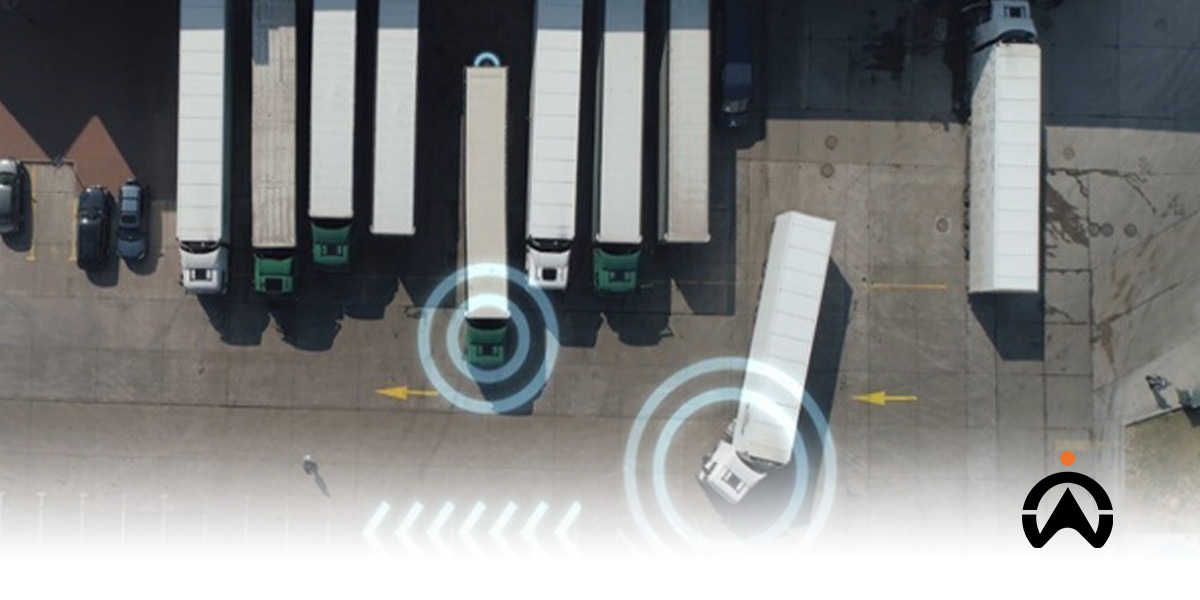
Step into the world of modern fleet and transportation management and gain insights into your vehicles and drivers through telematics services. The telematics industry has proven successful in generating profits and driving transformation for businesses operating in this sector. Telematics has evolved rapidly in recent years, encouraging business owners to adopt the technology to enhance safety, improve efficiency, and—most importantly—reduce costs.
The demand for innovative technology is prompting more entrepreneurs to seek a deeper understanding of the functions and benefits of telematics. This article will clear up any confusion and provide the information you need before deciding whether or not to adopt telematics.
What is telematics?
Telematics—also known as fleet telematics or vehicle telematics—is a system used to collect GPS tracking data and various vehicle-related information for storage in a database. Vehicle telematics integrates wireless telecommunications and information technology (informatics) to efficiently process, transmit, and convey information via a network.
Telematics is often associated with vehicle management and GPS vehicle tracking devices. Consequently, telematics can be defined as an onboard communication system in which all fleet software is integrated and shares critical information. Telematics can also be understood as a new method for integrating various types of data, ranging from vehicle equipment to driver behaviour.

How Does Telematics Work?
For a telematics system to function effectively, several things are required:
- Communication devices (mobile phones, computers, laptops, and/or tablets)
- Fleet communications Software
- GPS tracker
- Engine interface
- Input/output interface
- SIM card
- Accelerometer
- Alert/notification
A telematics system functions by connecting a GPS tracker—or another data-logging device—to an asset. The device collects critical data regarding the asset's performance, such as real-time engine diagnostics, vehicle location, and vehicle activity. Once collected, the data is transmitted to a data center for analysis, interpretation, and compilation. Fleet managers can access the uploaded data via the telematics system software.
Telematics can be used to assist fleet managers in implementing smart ways to achieve, automate, and improve the following:
- Managing route optimisation
- Ensuring driver safety and compliance
- Helps identify and correct poor driving behaviour
- Receive notifications to perform preventive maintenance promptly
- Reducing idling, fuel costs, and maintenance costs
- Managing asset usage
- Assisting drivers in complying with applicable regulations and policies
- Reducing carbon footprint
Read Also: Exploring the Concepts and Benefits of Vehicle Telematics
Telematics and Vehicle Tracking Systems
Vehicle tracking is the most common application of telematics, particularly in the trucking and transportation industries. This technology is highly sought after due to the vital functions it offers, such as the ability to pinpoint a vehicle's exact location, speed, and maintenance status using only GPS systems and onboard diagnostics.
The following is additional information that can be obtained via telematics:
- Location
- Fuel consumption
- Maintenance issues
- Fuel consumption
- Idle time
- Harsh acceleration (such as hard braking or cornering)
- Speed
To optimise this information, the telematics system analyses incident data and patterns, generating reports regarding the drivers and the vehicles used.
Integration of Telematics with Vehicles
Typically, trucks, trailers, and other vehicles are sold without tracking systems installed and are fitted with GPS tracking devices immediately after the sale. If a vehicle is not already equipped with this technology, numerous aftermarket providers offer GPS and telematics unit installation services.
Some car dealerships have even partnered with telematics providers or vehicle tracking companies, such as Cartrack, to deliver a seamless end-user experience and sell vehicles already equipped with Cartrack tracking units.

Application of Telematics Technology in Vehicles
If you already understand telematics software and have decided to implement it in your business, that’s great! It means you are ready to optimise your operations. Here are some key areas of your business that can be improved with telematics:
- Safety Monitoring
Vehicle telematics allow you to track location, speed, seatbelt usage, and driving behavior. You will obtain a digital record of every aspect of your vehicle's operation, providing insights into areas for improvement to prevent accidents and enhance driver safety. - Better Payroll Management
Telematics solutions can help you reduce overtime hours and timesheet fraud by monitoring your fleet's electronic time logs and allocating wage budgets based on real data. You can optimise driver routes to eliminate wasted driving time. You will also know exactly how long and how far vehicles have been driven, making payroll calculations easier. - Trailer and Asset Tracking
Telematics can be used for more than just monitoring vehicles. You can install GPS tracking units on trailers, heavy equipment, and non-powered assets to prevent loss and help locate them more quickly in the event of theft.
You can also set up alerts to notify you if a trailer or other non-motorised asset is moved without authorisation. - Insurance Risk Management
With the owner's consent, telematics can be used by insurance companies to monitor driver behaviour, enabling insurers to better assess risk factors and adjust insurance premiums.
Read also: 6 Ways to Improve Driver Habits and Driving Skills with Fleet Telematics Software
How is telematics applied in daily life?
The global telematics solutions market is projected to reach $62.6 billion by 2025, up from an estimated $29.9 billion in 2020. Given this figure, it is safe to assume that the transportation and delivery sectors are not the only industries benefiting from these systems; almost every industry has the potential to integrate telematics into its operations.
The following are industries that utilise telematics:
- Heavy equipment: Maintaining heavy equipment and preventing theft through the use of telematics and asset-tracking safety features.
- Public Safety Services: Monitoring vehicle location and driving speed during emergencies to enhance officer safety and accelerate the delivery of assistance.
- Fleet: Trucks and various fleet vehicles are monitored to ensure that deliveries arrive at their destinations safely and on schedule.
- Construction: Diagnosing performance, fuel consumption, and routine service schedules.
- Oil & Gas: Monitoring oil and gas extraction and transportation processes to enhance efficiency and worker safety.
- Refrigeration: The temperature of chilled or heat-sensitive products is monitored to reduce spoilage and ensure they remain safe for consumption.
- Executive Fleet: Enhance maintenance for luxury vehicles to reduce breakdowns, unscheduled repairs, and parts replacements.
- Lansekap dan perawatan taman: Memantau kinerja karyawan dan peralatan untuk meningkatkan produktivitas dan tingkat layanan pelanggan.
- Generator: Generator conditions—such as fuel level, battery voltage, and coolant temperature—are monitored to ensure the unit remains in good health and can operate for longer periods.
Make Your Business More Profitable with Cartrack
Join the customers who have successfully improved safety and operational efficiency—for drivers, fleets, and business assets—while cutting unnecessary costs using Cartrack’s vehicle telematics. Manage your business fleet or office operational vehicles from your mobile phone or computer. Click the link below to sign up, and we will contact you shortly!