EN
EN  ID
ID 


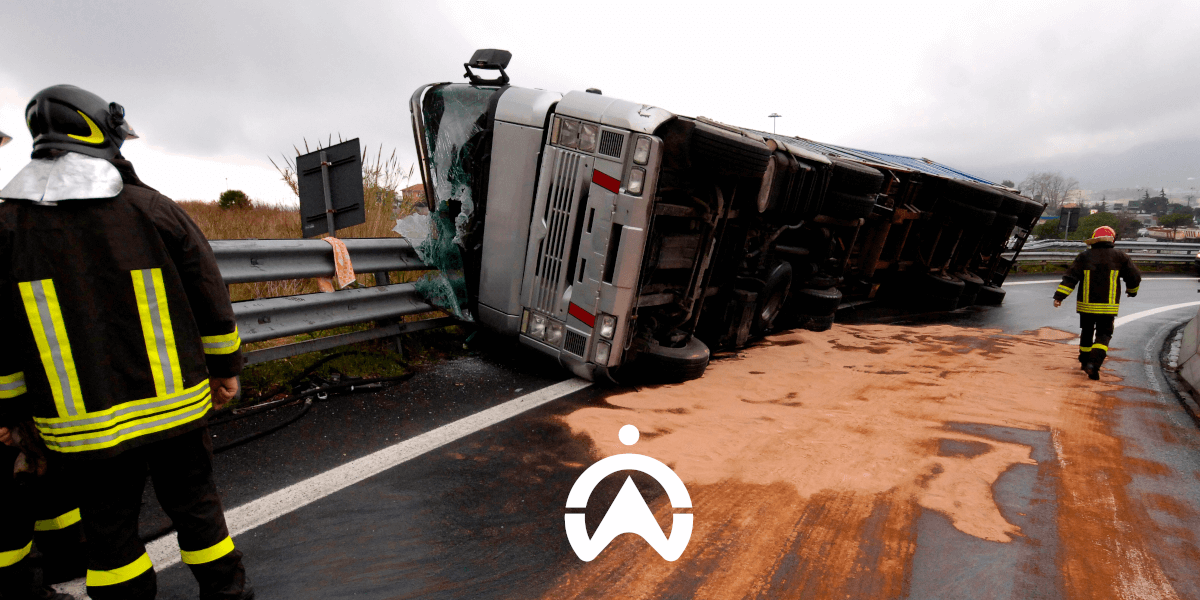
What is fleet accident management?
Fleet Accident Management is a structured process for handling fleet vehicle incidents. Fleet Accident Management encompasses everything from accident response to managing repairs and insurance claims.
An accident can potentially disrupt your entire operation. This is where fleet accident management (FAM) comes in. Fleet accident management navigates the consequences of an accident while proactively mitigating future risks.
It's like having a safety net for your drivers and vehicles, ensuring drivers have a better chance of getting out unharmed and vehicles sustain minimal damage.
What causes fleet accidents?
Fleet accidents can be caused by various factors such as driver error, distractions, road conditions, and weather.
Let's discuss them one by one!
- Driver error: Speeding, sharp braking or turning, and driving while tired have dangerous consequences for the driver and other motorists on the road, often leading to accidents.
- Disturbance: Using a cell phone while driving or taking your eyes off the road can lead to accidents. It only takes a few seconds of distraction to miss a stop in front of you or avoid a pothole, causing you to swerve suddenly and crash into another car.
- Road conditions: Uneven pavement, potholes, or slippery surfaces increase the risk of accidents. Imagine a driver navigating a poorly maintained road, trying to navigate unexpected challenges.
- Weather conditions: Rain or fog makes driving more difficult and can affect visibility on the road. Adjusting your speed and keeping a safe distance during inclement weather is recommended to ensure safety while traveling.
- Regular vehicle maintenance: Faulty brakes or worn tires can cause accidents. A well-maintained vehicle will run smoothly, reducing the risk of engine problems.
Understanding these factors and implementing safety measures, including fleet accident management (FAM), is crucial. Implementing fleet accident management can foster a culture of safety, where drivers use their vehicles responsibly and ensure safer journeys.
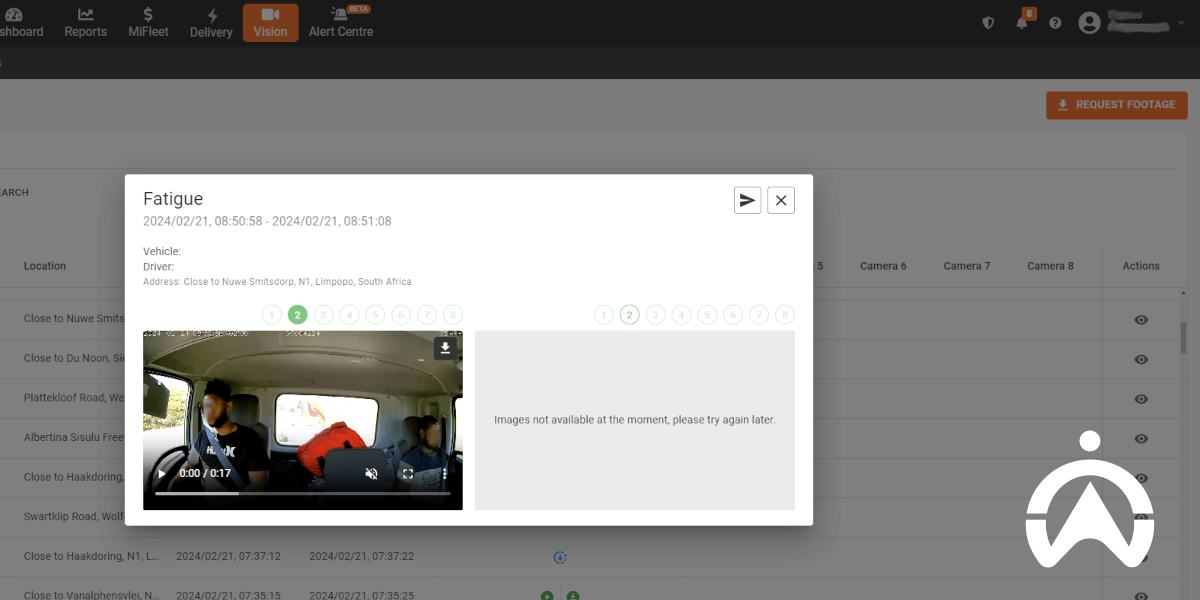
Why fleet accident management is important
FAM is generally considered an approach to safety and efficiency. Without proper action during an accident and its aftermath, such as delays, financial losses, insurance claims, and even injuries to drivers and others, it can potentially lead to financial losses, reputational damage, loss of vehicle operation, and even loss of driver confidence in the company.
Fleet accident management (FAM) protects against these problems and provides a safer and more efficient way to reduce accidents.
Benefits of fleet accident management
Fleet accident management (FAM) is important for several reasons. FAM impacts two of the most important business departments: safety and finance. This means the benefits of fleet accident management are directly linked to crucial business aspects.
Here are the reasons why FAM is more than just an “add-on” and why it should be a crucial part of your fleet management strategy:
- Reduce accidents and costs: With a good fleet accident management program, we can reduce the number of accidents, which means lower insurance costs, less vehicle damage, and avoidable worker injuries. Proactive measures such as driver training, promoting safer driving habits, and addressing potential hazards in advance all play a role in accident prevention.
- Driver safety and well-being: Prioritising safety not only keeps drivers safe but also boosts morale and reduces turnover. Comprehensive training support from FAM software helps create a safety-focused work culture.
- Compliance and reputation protection: Ensuring compliance with safety standards not only minimises legal risks but can also enhance a company's reputation. By demonstrating a commitment to safety through a robust FAM program, we can improve public perception.
- Informed decision making through data: Analysing accident data provides valuable insights for continuous improvement. Identifying root causes and comparing performance can lead to informed decision-making, improving fleet safety and efficiency.
- Less downtime and lower costs: Responding quickly to accidents and efficiently recovering vehicles keeps your fleet running smoothly, minimising disruption and associated costs. With fewer accidents, you also benefit from significant savings through lower insurance premiums.
Important steps for fleet accident managers
Accidents are every fleet manager's nightmare and can significantly impact fleet operations and driver well-being. By being proactive and implementing FAM measures, we can minimise the impact on drivers and operations.
Here's how effective fleet accident management addresses the problem and gets drivers back on the road:
Step 1: Immediate response
Ensure the safety of all parties involved, secure the accident scene, and respond to the situation immediately.
Step 2: Comprehensive documentation
Collect important information such as photos, eyewitness accounts, and police reports for insurance claims and legal purposes.
Step 3: Vehicle repairs and reduced downtime
Coordinate vehicle repairs, handle recalls, get repair estimates, and schedule repairs with approved vendors to minimise downtime.
Step 4: Insurance claims management
Communicate with insurance companies, provide necessary documentation, and advocate for fair and timely claim resolution.
Step 5: Accident data analysis and prevention
Analyse accident data to identify trends, implement preventative measures, and offer training and support to drivers to increase safety awareness and reduce future risks.
By combining these steps, fleet accident management can help you navigate difficult situations. Remember, it's not just about responding—it's about preventing traffic accidents and protecting your fleet.
Planning for the future: Fleet accident management solutions
The future of fleet management is about proactive planning and accident prevention. Implementing accident prevention measures is about protecting drivers, the public, and the company's reputation.
FAM is a multifaceted approach that involves several preventive solutions to ensure its smooth operation. Let's explore some of them:
Technology-based solutions
- Telematics: Monitor driver behaviour in real-time, track fatigue levels, and identify other risky behaviours such as speeding for valuable insights and future driver training.
- Advanced driver assistance systems (ADAS): Equip vehicles with features such as lane departure warning, automatic emergency braking, and blind spot monitoring to help drivers prevent collisions.
- Artificial intelligence (AI): Use AI-powered systems to analyse driver patterns, predict potential accidents, and recommend tailored safety interventions.
- Route optimisation: Efficient routes minimise unnecessary driving time and exposure to high-risk areas.
Driver training and skills development
- Defensive driving course: Arm drivers with defensive driving skills and safety knowledge such as hazard perception, skid control, and emergency maneuvers.
- Fatigue management program: Educate drivers about the dangers of driving while fatigued and implement policies to encourage rest and healthy sleep habits.
- Distracted driving prevention: Implement clear policies and technology-based solutions to combat the dangers of cell phone use, texting, and other distractions while driving.
Vehicle maintenance and safety
- Regular inspections and preventive maintenance: Ensure all vehicles are in top condition to minimise mechanical failure and damage.
- Security technology improvements: Consider investing in features like automatic lighting, a backup camera, and electronic stability control for added safety.
- Ergonomic support: Make sure the driver's seat and controls are properly adjusted for comfort and to minimise fatigue, especially during longer journeys.
Intelligent route planning
- Choose a safe and efficient route: Avoid high traffic areas, construction zones, and hazardous weather conditions whenever possible.
- Plan a realistic travel time: Avoid forcing drivers to exceed speed limits or work for unreasonable durations.
- Take advantage of route optimisation software: Optimise routes for efficiency and safety, considering factors such as traffic congestion, weather conditions, and road closures.
Learning from data
- Accident data analysis: Identify trends and factors to understand where and why accidents occur.
- Compare performance: Compare safety metrics against industry standards to identify areas for improvement.
- Use data to inform strategy: Continuously implement and improve accident prevention measures based on insights gained from data.
How Cartrack Indonesia's safety features can protect drivers, fleets and businesses
In the realm of fleet safety and accident management, Cartrack Indonesia has emerged as the leading choice for businesses seeking reliability and efficiency. Cartrack Indonesia is a global leader in fleet management technology, offering trusted safety solutions that can positively contribute to fleet accident management.
Cartrack Indonesia offers a comprehensive set of safety features specifically designed to help fleet businesses reduce accidents and improve driver safety.
- AI-powered camera: Analyses internal and external environments, detects dangerous driver behaviour such as cell phone use, drowsiness, or lane departures, accompanied by voice warnings to help prevent accidents quickly.
- Maintenance reminder: Stay ahead of potential breakdowns with Cartrack maintenance reminders. Receive timely notifications for scheduled maintenance, ensuring your vehicle is always in top condition while minimising the risk of engine failure.
- Driver behaviour monitoring: Cartrack Indonesia's telematics system tracks driving behaviour in real-time, alerting managers to risky driver habits such as speeding, harsh braking, and sudden acceleration.
- Driver score: Use driver scores and reports with live streams and camera footage to educate drivers about where safer driving practices need to be implemented.
- Collision detection: In the event of an accident, Cartrack Indonesia's collision detection detects any sudden impact on the vehicle. It sends an alert with critical information such as the live location and time of impact, allowing the driver to take immediate action.
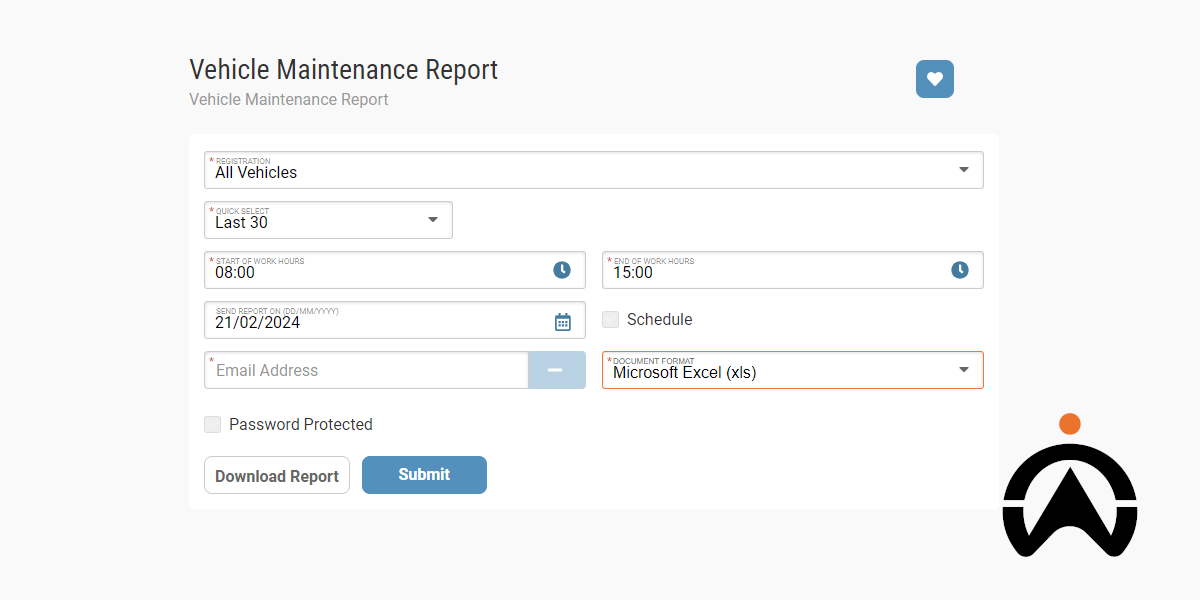
Improving driver and vehicle safety with one platform: Cartrack Indonesia
Cartrack Indonesia is dedicated to keeping fleets safe and businesses running smoothly. Take the next concrete step in ensuring fleet safety and success by partnering with Cartrack Indonesia today.
As a fleet driver, what should you do after an accident?
While every accident scene is different, here are some actions to follow if the driver is not seriously injured and is able to move:
- Stop the vehicle and check for injuries.
- Move the vehicle to a safe location, if possible. Turn on your hazard lights and call emergency services if necessary.
- Notify the fleet manager or supervisor
- Exchange contact information with affected drivers
- Take photos of the accident scene, including vehicle damage and injuries for insurance.
- Report the accident to the police within 24 hours
How can I ensure my drivers are following safety protocols?
Ensuring drivers follow safety protocols involves implementing clear and comprehensive guidelines:
- Start by providing thorough training on safe driving practices and emergency procedures.
- Continue to reinforce these guidelines through ongoing meetings, memos, and training sessions.
- Use technologies like telematics and GPS tracking to monitor driver behaviour on the road and whether they are following safety rules.
- Set up a dedicated system for reporting any safety concerns or incidents.
- Finally, encourage and build commitment to a culture of safety by rewarding drivers who adhere to safety protocols.
Contact Cartrack Indonesia today and start using advanced telematics technology to help prevent accidents and keep your fleet safe.
Contact Cartrack Indonesia today by clicking the following link!