EN
EN  ID
ID 



What Is Fleet Management?
Fleet management is the supervision of operations involving various types of vehicles such as buses, cars, trucks, and other assets used for business purposes. It is not only about managing fuel and maintenance, but also about building a system that ensures efficiency, safety, and cost-effectiveness.
What are fleet management priorities?
Fleet management priorities can vary depending on the specific industry, company size, and fleet objectives. However, some key priorities generally apply, such as the following:
- Security and compliance
- Efficiency and cost management
- Driver management and engagement
- Sustainability and environmental awareness
- Technology integration
The above are common issues that fleet managers deal with on a daily basis. By developing a comprehensive and effective fleet management strategy, fleet managers can improve the safety of vehicles and drivers, maximise efficiency, and increase cost savings.
Also Read: How Does Data-Driven Decision Making Work in Fleet Management?
General fleet management practices
- Vehicle procurement: Vehicle procurement is a critical process in adding new vehicles to a fleet. Vehicle procurement is more than just purchasing a car; it's about strategically selecting the right vehicles, at the right time, and in a cost-effective manner, to deliver the best results for the business.
- Vehicle tracking: Vehicle tracking is the backbone of modern fleet management, providing real-time information on the location, movement, and performance of company vehicles. Vehicle tracking works by constantly monitoring your entire fleet, providing data-driven insights.
- Route management and dispatch: Fleet managers are responsible for fleet planning and coordination which involves assigning tasks, and planning the best routes for drivers based on real-time data, customer needs, and driver availability.
- Fuel management: Fuel management in fleet management is about optimising fuel consumption and saving costs. It's more than just about filling the tank; it's a strategic approach to monitoring, analysing, and controlling fuel usage across a fleet.
- Monitoring driver behaviour and safety: Maintaining driver safety and responsible behaviour is crucial in fleet management. Maintaining driver safety involves monitoring and improving their actions on the road. Fleet managers prioritise driver safety to reduce accident rates and lower maintenance costs.
- Fleet maintenance scheduling: Keeping a fleet in top condition is crucial for reliable operations, driver safety, and cost control. Fleet managers work to schedule maintenance accurately and efficiently to ensure vehicles are serviced at the right time, preventing breakdowns and maximising their service life.
- Vehicle rotation: Vehicle rotation involves swapping or reassigning vehicles within a fleet to optimise their use and lifespan. Vehicle rotation isn't just about swapping keys; it's about maximising efficiency, minimising wear and tear, and ensuring the right vehicles are in the right hands.
- Fleet economy: Fleet economics explores the financial aspects of managing a fleet of vehicles. Fleet economics understands the costs involved, optimises resource allocation, and makes informed decisions to maximise profitability and minimise costs.
- Safety and compliance management: Safety and compliance are the cornerstones of successful fleet management. Safety management isn't just about avoiding accidents and fines; it's about creating a safety culture and ensuring every element of the operation complies with regulations.
Fleet management objectives
Fleet management is the smartest way for businesses with mobile assets to improve operations, from productivity and security to compliance and safety to lower costs. Fleet management offers numerous benefits that ensure smooth fleet operations.
Following are the main benefits of fleet management:
- Improving driver and road safety
- Optimising fleet operations (on-time delivery, optimal routes, fast delivery, etc.)
- Helps reduce fleet costs while increasing profits
- Increase visibility of overall fleet activities
- Generating critical compliance data
- Increase vehicle service life
- Improve fleet security by reducing theft, fraud and vandalism.
- Helps reduce fleet emissions and fuel consumption
- Improving work experience for fleet crews
- Improve customer satisfaction
How to increase revenue with 5 best fleet management practices
Fleet management isn't just about acquiring more vehicles or drivers. Every link in the chain should generate higher revenue for the company. This can only be achieved by implementing best practices for fleet management.
Here are some best fleet management practices that can help increase revenue:
- Use fleet data management software: Fleet data management refers to the process of using the power of GPS, artificial intelligence, and other technologies to collect, organize, consolidate, analyze, and report on fleet operations within a business. It is a strategic way to create a fleet diagnostic system that helps businesses identify areas for improvement, optimize performance, and prevent problems. There are several strategies that businesses can use to ensure they are on the right track:- Using data on vehicles to make better decisions
– Utilise driver logs
– Updating the delivery system
– Give priority to maintenance - Use fuel management solutions: Introducing a fuel monitoring strategy and fuel cost management solution is one of the smartest decisions a fleet manager can make. Businesses face the challenge of rising fuel costs, as well as other pain points like fuel theft and fuel waste caused by poor route planning. Here are the best fuel management practices that can help businesses increase their revenue:
– Monitor fleet fuel trends
– Improve driver behaviour
– Stop fuel card fraud and fuel theft using automated systems
– Detecting the impact of fuel increases on fleet fuel management - Improve driver administration: Driver administration in fleet management involves managing the workforce that drives your fleet. Driver administration ensures drivers are qualified, understand safe driving practices, are productive, and ultimately drive the fleet successfully. Here are the best ways to recruit and manage drivers to help businesses increase their revenue:
– Choose a qualified and licensed driver
– Introduce training on safety and good driving practices
– Implement performance management
– Train drivers on fuel-efficient driving practices - Develop a fleet maintenance strategy: The best way to maintain fleet performance is to establish a fleet maintenance strategy. Fleet managers can ensure vehicles stay on the road longer and reduce maintenance costs by implementing a fleet maintenance strategy. Here are the best fleet maintenance strategies for businesses:
– Avoid reactive fleet maintenance.
– Choose a preventive maintenance strategy or a predictive maintenance plan
– Use digital systems to simplify processes and keep accurate records of vehicle health. - Be customer oriented: Customer satisfaction is a top priority for businesses to ensure and increase revenue. Focusing on customers leads to increased sales and higher customer loyalty, which in turn helps acquire new customers. By running efficient operations, fleet managers and business owners maximise their potential. Here are some ways to improve customer satisfaction:
– Planning delivery routes to ensure that goods, equipment and services are delivered to customers on time.
– Improve communication with customers, if there are delays or changes in delivery dates, it is better to communicate this with customers.
– Reduce the frequency of breakdowns, through proper maintenance plans and fuel management.

Guide: How to build a fleet management plan to address business challenges
A fleet management plan is invaluable to companies across a wide range of industries, including construction, oil and gas, cold chain, engineering, logistics, and even financial services or security.
Here is a quick guide on how to build a fleet management plan across 3 types of industries to address various business challenges.
Construction
Construction companies face unique challenges in managing their fleets. Beyond the usual concerns about cost, efficiency, and safety, specific factors in the construction environment add an additional layer of complexity. Here are some of the key challenges that a fleet management plan for construction businesses can address.
Common Fleet Challenges
- Heavy use of specialised equipment
- Project-based operations
- The invention of construction equipment
- Driver management and safety
Retail
From trucking companies to ride-sharing platforms, all transportation businesses face a unique set of challenges in managing their fleets. Here are some of the more common challenges in the industry that can be addressed with a fleet management plan.
Common Fleet Challenges
- Increased fuel and maintenance costs
- Minimise vehicle downtime
- Adapting to new legislation
- Vehicle utilisation
Food industry
Transporting temperature- or time-sensitive goods is a challenging task for fleet management, but in the food industry, it's a no-brainer. The biggest challenge for these businesses is that they are highly customer/partner-oriented, and they share similar concerns.
Common Fleet Challenges
- Poor customer service
- Driver shortage
- Delay/failure of delivery
- Reduce product theft or damage
With each of these challenges affecting different industries, introducing a general fleet management plan won't automatically improve all business operations. Fleet management plans must be strategic and incorporate best practices for efficiency and ensuring revenue.
Also Read: What is Fleet Management in Logistics?
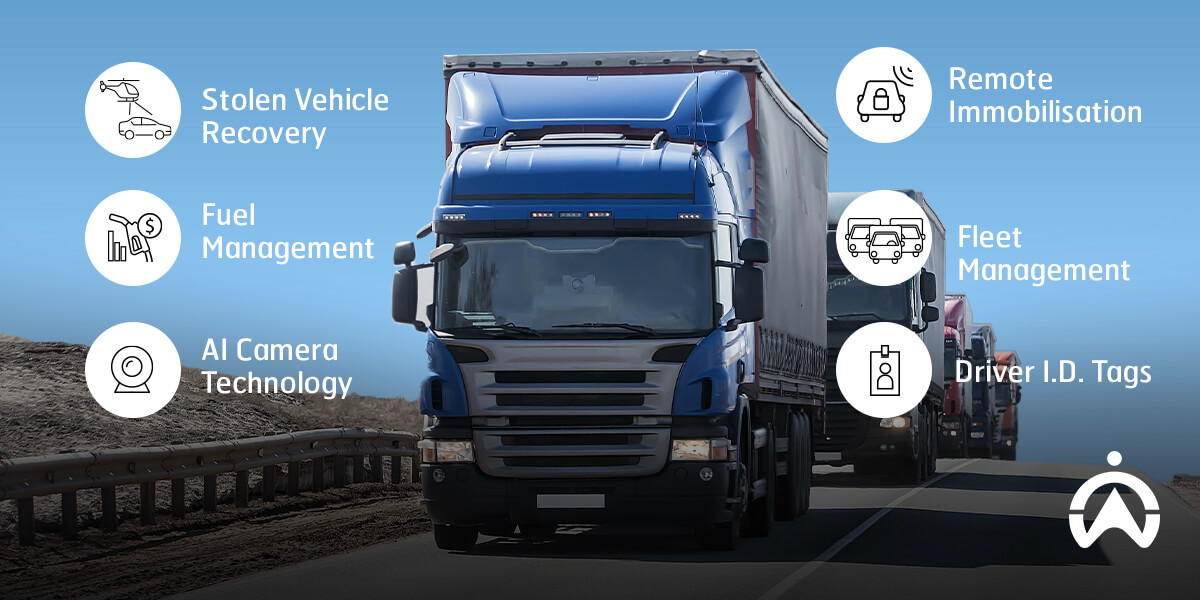
4 ways Cartrack maximizes revenue with the best fleet management system
When you're ready to transform your fleet management practices, from average to best, then Cartrack Indonesia's advanced software is the solution!
Here are four ways Cartrack Indonesia Fleet Management Software can help businesses increase revenue.
- Data accuracy and reliability
As a fleet manager, you may often face challenges in maintaining accurate and up-to-date information about the location of fleet vehicles, assets, or cargo.
By installing Cartrack Indonesia telematics in fleet vehicles, trailers, and assets, fleet managers can ensure data reliability and monitor vehicle and equipment activity. Fleet managers gain a comprehensive view of their fleet's performance and operations by accessing the Cartrack Indonesia Fleet Page. Fleet managers can optimise their fleet routes, monitor vehicle usage, and access vehicle and driver reports. With the addition of sensors, fleet managers can also ensure the safe transportation of their cargo.
Our advanced Internet of Things (IoT) technology goes beyond vehicle tracking and provides accurate fleet data that can be used to improve the efficiency and overall performance of business operations.
-
Fuel monitoring and management
Fuel is one of the biggest expenses in a fleet business, and with fuel costs so volatile, managers need to conserve and monitor every drop of fuel in their fleet.
With Cartrack Indonesia's fuel sensors, you can accurately measure the amount of fuel in your vehicle's tank. These sensors are installed in vehicles such as trucks, buses, or private cars, as well as boats and other equipment like generators. With these sensors, fleet managers can detect increases or decreases in fuel levels and accurately monitor refills, fuel wastage, and fuel losses. By integrating additional software like MiFleet, fleet managers can also create automated systems that review all fuel transactions, match fuel receipts with vehicle telemetry data, and receive alerts about any abnormal fuel costs. This helps them detect fuel theft or fraud. Our fuel monitoring and management software is one of the most advanced ways to monitor a fleet's overall fuel consumption and generate reports on fuel expenses, levies, and taxes.
-
Fleet maintenance solutions
Vehicle and equipment breakdowns often impact business revenue. If a fleet is down or equipment is malfunctioning, businesses lose money due to downtime.
One of the most effective ways to avoid vehicle downtime is through fleet maintenance. Businesses can avoid reactive maintenance on their fleets by implementing proactive or preventive fleet maintenance solutions. This helps businesses stay ahead of any vehicle breakdowns.
The Cartrack fleet management system is a quick and easy way to schedule maintenance for your fleet. This all-in-one platform allows fleet managers to receive notifications about their vehicles' condition. For example, they can receive information about engine failures and receive various reminders about when to change oil or tires based on vehicle mileage. This makes it easy for fleet managers to schedule vehicle maintenance and set other reminders/notifications for vehicle service and repairs.
-
Driver performance monitoring
Whether it's negligence, carelessness, or apathy, driver behaviour on the road can cost businesses more than they imagine.
Cartrack's safety camera and SmartCabin technology helps managers monitor driver performance using a variety of built-in software. SmartCabin utilises live streaming and AI cameras to provide real-time alerts to record and prevent dangerous activity while drivers are on the road. These cameras can detect events such as distracted driving/fatigue and phone use while driving. It also provides forward collision warnings to help drivers immediately change their actions and prevent accidents.
By monitoring driver performance behind the wheel, fleet managers can eliminate inefficient practices that are detrimental to business revenue. With Cartrack Indonesia's IoT solutions, managers can also access driver reports to prevent bad driving habits. Installing AI-based telematics and smart camera solutions can help fleet managers identify poor driving practices, high-risk driving behaviours, and various safety violations. Fleet managers can use this information to be proactive in driver, cargo, and fleet safety, thereby creating a safer driving culture.
With Cartrack Indonesia's fleet management solutions, you can unlock sustainable revenue growth as a fleet manager.
Contact us today by clicking the following link!