EN
EN  ID
ID 


Start the new year with a new fleet strategy
For fleet managers and business owners, the new year is a great time to outline a clear fleet strategy to achieve future goals. A fleet strategy is a plan for managing a fleet of vehicles, encompassing everything from selecting the right vehicles to maintaining and tracking their performance.
What businesses need is a well-defined fleet strategy aligned with business objectives. Ultimately, the right business strategy will contribute to a safer and more productive work environment.
Fleet management basics for business
As businesses grow and expand, so does the need for a reliable and efficient fleet of vehicles. Before implementing a high-tech fleet management solution, businesses need to find a fleet management system that aligns with their business and industry practices.
From the ground up, fleet management involves monitoring, maintaining, and optimizing a company's fleet of vehicles and assets through a variety of tasks. Examples include tracking vehicle location and monitoring fuel consumption, scheduling maintenance, and monitoring driver behavior.
To efficiently monitor a fleet, various tools and technologies can be used. Here are some commonly used technologies:
1. GPS tracking systems offer real-time visibility into vehicle location, facilitating better route planning, reducing downtime, and preventing vehicle theft.
2. Telematics systems automatically collect critical vehicle data, including fuel consumption, engine performance, and driver behavior. Analyzing this data helps identify areas for improvement and supports informed decision-making regarding fleet operations.
3. Cloud-based software solutions can serve as a centralised platform for fleet managers, providing easy access to critical information such as vehicle location, fuel consumption, and maintenance schedules. This centralised approach streamlines the fleet management process.
A Guide to Designing an Effective Fleet Strategy
With a practical fleet management strategy in mind, it is crucial to establish a solid foundation for these innovations to flourish. A well-defined fleet strategy serves as a roadmap, guiding the organisation toward achieving its fleet management goals.
Here are 5 clear steps to follow:
1. Set clear fleet management goals
Every fleet management strategy begins with clearly defining the desired objectives. These objectives may include reducing fuel costs, improving driver behaviour, optimising asset utilisation, or minimizing downtime. Established goals guide decision-making and provide benchmarks for evaluating the strategy's success. If the previous year's goals were not met, the strategy can be continued, or new goals can be set for the following year.
2. Evaluate the current fleet status
Inspect the fleet, considering mileage, maintenance records, and overall performance, to determine whether assets are still suitable for the coming year or whether they need to be replaced. This evaluation establishes a baseline understanding of the fleet's strengths and weaknesses, helping identify areas for improvement.
3. Review fleet needs
Align your fleet with new business objectives by identifying specific needs for upcoming projects. For example, if your business is expanding into more urban projects, review whether your current fleet meets the demands of the city environment or whether adjustments are needed. Consider vehicle type, capacity, capabilities, usage frequency, and fuel consumption to guide decisions about fleet expansion, replacement, or downsizing.
4. Identify fleet management technologies
Explore available fleet management technologies such as GPS tracking, telematics systems, geofencing, and dashcams. Review the suitability of these technologies based on your industry, specific business needs, and budget constraints. With new fleet innovations emerging every year, consider integrating the right ones into your fleet.
5. Implement and monitor fleet strategy
Continuously monitor fleet performance, tracking metrics such as fuel consumption, vehicle uptime, and driver behavior. Use this data to refine your strategy, making necessary adjustments along the way. Review this information regularly to make informed decisions and improve your strategy.
Master the latest fleet strategies with Cartrack
Cartrack, an industry leader in telematics and vehicle tracking, offers a range of fleet management solutions that can help businesses of all shapes and sizes strengthen their fleet strategies for 2026 and beyond.
Here are some key services and features that can be very useful:
Make data-driven business decisions with Cartrack reports
Tailored to fleet operations, our reports cover fuel consumption, driver behavior, maintenance schedules, and more, including trip reports, driver scorecards, and speed reports. Now fleet managers can make confident decisions based on accurate data, ensuring fleet operations are running smoothly.
Monitor vehicle location and receive Geofence alert notifications
Imagine having a digital boundary established around a fleet's work location or delivery zone. Cartrack's geofencing feature can do just that. This feature ensures fleet managers stay informed in real-time through notifications when vehicles enter or exit predetermined zones.
Efficient use of fuel by monitoring its consumption
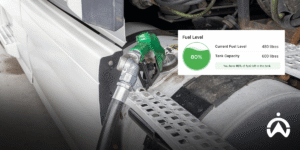
Cartrack's telematics system not only tracks vehicles but also tracks their fuel consumption, providing the information needed to optimize fuel efficiency. Fuel consumption monitoring helps identify areas for improvement, such as driver behaviors that risk over-consumption, and targeted strategies to reduce fuel costs. Cartrack helps identify fuel-efficient practices, such as stopping fuel theft or optimizing journey times.
MiFleet for comprehensive fleet cost management
MiFleet Cartrack provides fleet managers with detailed information on their fleet's administration and operating costs, including toll fees, driver's license/vehicle registration renewal dates, maintenance, and fuel costs. The system allows for easy transaction import without the need for manual input. MiFleet can also provide significant benefits by automatically reviewing all fuel transactions and matching them with vehicle telematics data. This makes it easier to identify areas where fuel theft may occur and take necessary steps to prevent it, thereby saving the company millions in fuel costs.
Cartrack Delivery for efficient task management and communication
Cartrack Delivery management software enhances communication between fleet managers and drivers, enabling easy task assignment and real-time tracking from dispatch to final delivery. Fleet managers can easily assign delivery or field service tasks to specific locations. The tool keeps fleet managers informed through live tracking, displaying the routes drivers take and their estimated arrival times. Drivers also stay updated with instant job notifications, ensuring schedules are met with precision and deliveries are more punctual, thereby boosting customer satisfaction.
It’s time to shape your business fleet strategy for the year! Find out more about Cartrack’s fleet management system by clicking the link below!