EN
EN  ID
ID 


However, if your only way to save money is by using unproven methods, you may need to turn to a more effective solution. For example, use Cartrack's fuel monitoring system for data-driven fuel management.
Read more to learn how to effectively improve your fleet's fuel management.
Explanation of Fuel Economy and Fuel Efficiency
Fuel economy (fuel economy) and fuel efficiency (fuel efficiency) both relate to how well your vehicle consumes fuel, but the difference lies in the definition.
Fuel economy directly measures the efficiency of the engine and the fuel consumption of the vehicle, which is measured in liters per 100 kilometers (L/100 km) or miles per gallon (MPG).
fuel efficiency relates to how effectively a vehicle processes energy and consumes fuel based on engine performance and other measurable factors, such as driving style, habits (engine running while idling), speeding habits, vehicle type, and use of additional technology on the vehicle.
Practically, focusing on improving fuel economy fuel efficiency is very important in fleet management because simple changes to fuel governance can help your business:
- Increasing Cost Savings
Fleet companies must take into account fuel economy Vehicles are carefully managed to adapt to monthly fuel price adjustments and prevent budget overruns. By implementing fuel consumption reduction strategies, businesses can significantly reduce fuel costs while ensuring a return on investment (return on investment) from motorbikes, cars, trucks, to heavy equipment owned. - Reducing Impact on the Environment
Fuel efficiency is closely linked to your fleet's environmental impact. For businesses in the transportation and logistics sector, greenhouse gas emissions and pollution are key concerns. By implementing more fuel-efficient measures or retrofitting their fleets with more economical vehicles, companies are contributing to a more sustainable future. - Maximizing Driver Productivity
Some driver habits can lead to unnecessary fuel consumption and reduce productivity. A 2021 research study on driver awareness of fuel-saving factors showed that many drivers underestimate the influence of engine speed and driving conditions. , and the impact of unloaded vehicles on fuel consumption. By prioritizing fuel efficiency, you can significantly impact overall operational productivity. - Improving Fleet Visibility and Management
The right fleet management system makes it easier for your business to monitor fuel usage liter by liter and improve overall fuel efficiency. This allows you to identify areas for improvement to optimize fuel consumption. fuel economy Fleet. By implementing a fleet management system, your business gains complete control over every moving asset (as well as static assets like heavy equipment).
Ready to optimize fuel economy and achieve peak fuel efficiency in your fleet? Check out these five strategies from Cartrack.
5 New Strategies to Improve Fuel Efficiency
Building a more economical and efficient fleet offers many benefits. The following strategies are designed to simplify the process:
Strategy #1: Implement Fleet Telematics and Management Software
Telematics technology and Fleet management and fleet management are two crucial elements for improving fuel efficiency. These two smart technologies are a great starting point for any business focused on fleet improvement. With telematics technology, you can track vehicles and drivers in real time. as well as notifications when there is engine damage or risky behavior, such as speeding and excessive.
This data is captured instantly and accessible through the Cartrack fleet management platform. This allows you to manage all your vehicles on one platform and analyze telematics data, both for individual vehicles and overall fleet performance, to identify areas for improvement.
Cartrack Telematics and Management Software
GPS telematics helps you identify inefficiencies across your fleet, such as vehicle technical issues, , and less precise route determination.
- Telematics GPS Tracking: Fleet managers know the exact location of their vehicles and equipment, providing full visibility into vehicle and driver activity.
- Software Based Cloud: Our FleetWeb platform and Cartrack App are based on makes it easier for fleet managers to perform live tracking, update data, access reports, and receive notifications from anywhere to streamline workflows.
Strategy #2: Using a Fuel Management System (Fuel Management System)
Instead of manually calculating your fleet's fuel consumption or estimating your vehicle's fuel efficiency, using a fuel management system is a smarter and more accurate way.
A fuel management system refers to the process of monitoring, managing, and improving a fleet's fuel usage and costs. This system utilizes hardware in the form of a fuel sensor, telematics, as well as accounting to monitor fuel usage and calculate efficiency through data-driven reports.
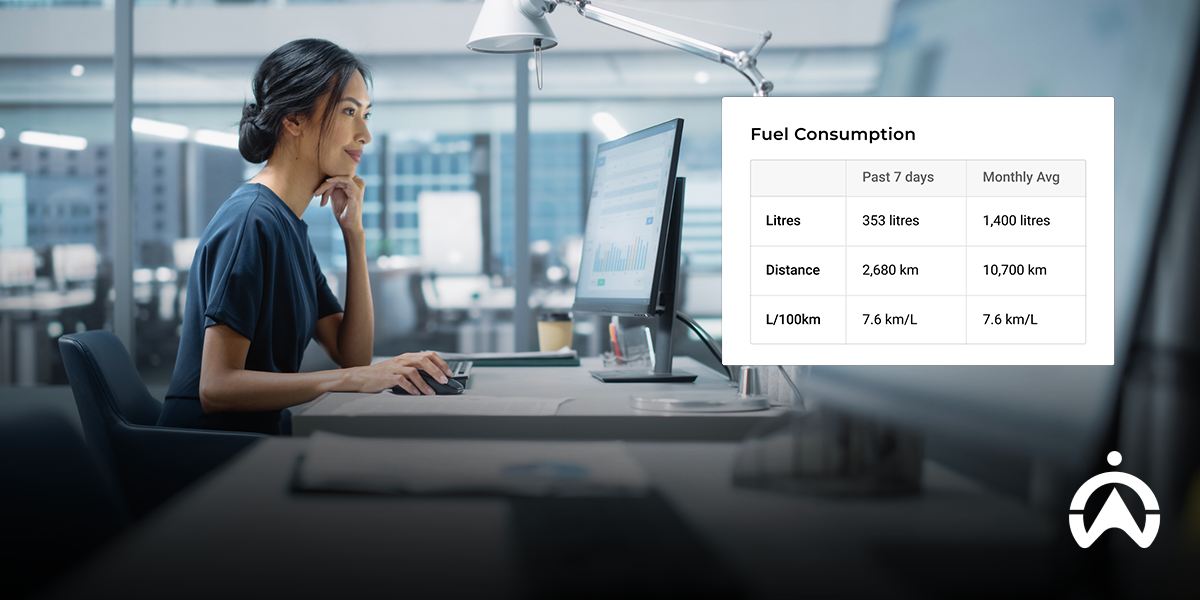
Benefits of Cartrack Fuel Management Solutions
Cartrack's advanced technology helps you identify your vehicle's needs and areas that require improvement.
- Fuel Sensors and Hardware: With up to three types of sensor options available at Cartrack, you can accurately monitor your fleet's fuel volume to understand its consumption and efficiency levels.
- Special Reports and Fuel Analysis: Create, download, and automate custom fuel reports for different vehicle types or groups over a specific timeframe to make data-driven decisions. Fleet managers can also receive instant notifications on fuel waste indicators, such as and speeding.
Strategy #3: Use a Fuel-Efficient Vehicle
Survey by Fleet Advantage revealed that 40.7% of businesses placed increasing fuel economy as a major driving factor in purchasing new trucks. Advances in vehicle technology have encouraged many companies to operate mixed-energy fleets (mixed-energy fleet), where electric trucks (EVs) and hybrid vehicles are becoming increasingly popular.
Fuel-efficient vehicles can travel longer distances using less fuel. Therefore, investing in fuel-efficient cars, trucks, and heavy equipment is well worth it. This helps reduce operational costs, improves environmental sustainability, and reduces emissions. vehicles, while providing a competitive advantage for your business in the eyes of customers who care about environmental issues.
Cartrack Fleet Management for Environmental Sustainability
Our software helps you manage your mixed energy fleet and track CO₂ emissions to achieve your company's sustainability targets:
- Report Eco-Driving: This special report assesses environmentally friendly driving habits based on distance traveled, duration , speed levels, and rough driving habits to measure the efficiency and environmental impact of your fleet.
- Vehicle Maintenance History Report: Presenting detailed service and repair history data, which fleet managers can use as a basis for consideration when wanting to rejuvenate vehicles with more fuel-efficient models.
Strategy #4: Monitor and Correct Driver Behavior
Investing in driver capacity building is just as important as investing in new vehicles. Skilled and motivated drivers have been proven to improve productivity, efficiency, and operational safety.
Driver education on the importance of prudent driving practices and fuel consumption is crucial. Furthermore, monitoring also helps detect potential fraud such as vehicle misuse, fuel theft or embezzlement, and route deviations for personal gain.
Driver Monitoring for Fuel Efficiency with Cartrack
Take strict action against careless driving habits that lead to component wear and fuel wastage:
- Driver ID Tag (Driver ID): Helps identify who is driving a company vehicle at any given time, thereby increasing accountability and detecting route deviations through the Trip Summary Report (Trip Summary Report).
- Cartrack Driver Scorecard: Conceptual evaluation method gamification which assesses the driver's performance on the road. The score will be reduced if the driver accelerates suddenly, brakes hard, or too long. This data is very useful as driver training material.
- Driver Behavior Report: Provide specific details about each individual's driving habits to help you train them to implement more efficient driving techniques.
Strategy #5: Improve Fleet Vehicle Maintenance
Regular maintenance on vehicles and heavy equipment helps prevent unplanned maintenance while maintaining optimal fuel efficiency. Ensuring vehicles are always in top condition allows even older units to operate efficiently.
Educate staff and drivers about the importance of regular oil changes and tire pressure checks. Additionally, utilize telematics data. to detect potential engine problems before they develop into serious, costly damage.
Preventive Care (Preventative Maintenance) for fuel efficiency
Cartrack software helps track maintenance history, upcoming service schedules, and cost estimates through features such as:
- Maintenance Reminder (Maintenance Reminders): Set a service schedule based on machine working hours or previous service data, so the system will provide automatic notifications before the next service schedule.
- Cartrack MiFleet: cost management and accounting that makes it easier to manage budgets for maintenance, repairs, and vehicle transfers (towing), tire replacement, and other operational costs to keep them under control.
Improve Fuel Economy Fuel Efficiency Your Fleet with Cartrack
Telematics-based fuel monitoring solutions help you achieve measurable fuel efficiency, regardless of the type of vehicle or engine you use.
Contact us now for a live demonstration of the Cartrack Fuel Monitoring System!