EN
EN  ID
ID 


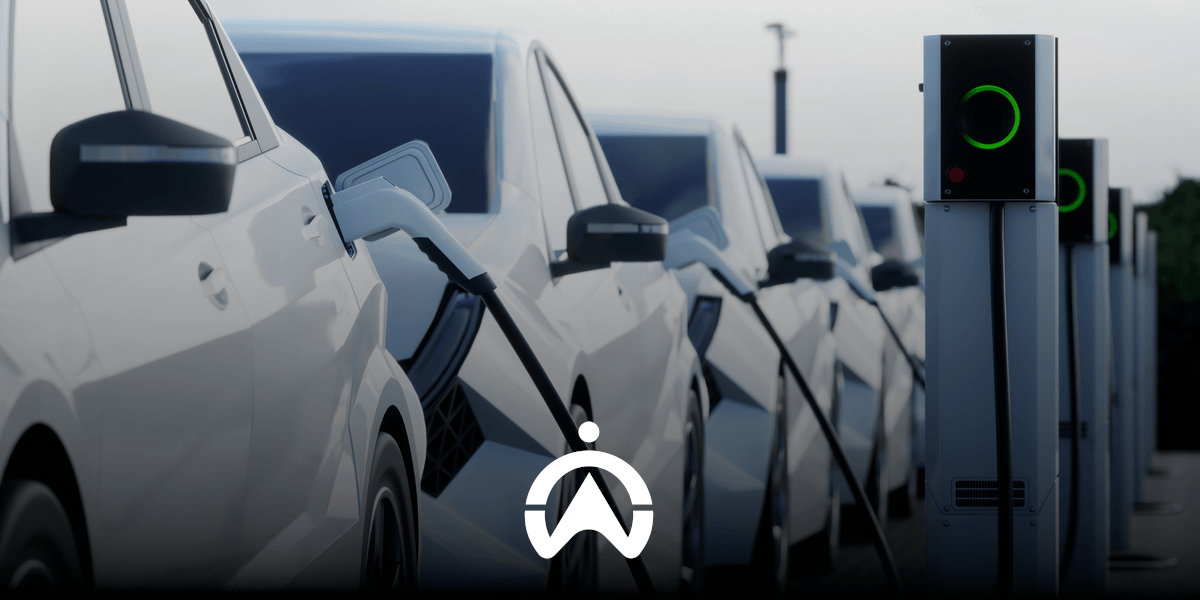
Advantages
- Lower Emissions: One of the main reasons why electric vehicles are increasingly being used on the roads is because by using electric vehicles we contribute to climate change prevention measures by emitting significantly fewer emissions.
- Lower Fuel & Basic Maintenance Costs: EVs don't use fossil fuels, meaning you won't spend money on gas every day. Electric vehicles also don't use other fluids like oil or brake pads.
- A quieter ride with instant torque: Powered by batteries, EVs produce little noise, creating a different driving experience. An EV's torque is generated by magnetic fields and electric currents, rather than burning gas and turning a crankshaft, which takes more time.
Disadvantages
- Environmental Impact of Manufacturing Process: While driving an EV is more low-emission, there is debate about the environmental impact of the manufacturing process. Electric vehicle batteries require lithium mining, which in turn leads to carbon emissions, habitat destruction, and pollution. However, climate change activists see this as a necessary evil for the greater good.
- Public Electric Charging Stations: One of the biggest challenges EV drivers face is the limited number of public charging stations. Just like vehicles with fuel tanks, electric vehicles can run out of battery power and need to be recharged to continue their journey. If there aren't enough charging stations, the battery can become depleted without the option of recharging.
- Expensive: Electric vehicles have not yet been mass-produced due to their relatively high production costs. Furthermore, manufacturing lithium-ion batteries and electric motors is significantly more expensive than manufacturing internal combustion engines. With technological advances, this may change, making EVs more affordable in the near future.
-
Limited Range: The range of an electric vehicle depends on the make and model. Some electric vehicles have a decent range, but others require frequent recharging, making them less practical for long-distance travel. Ultimately, gasoline vehicles still offer more power and the option of refueling along the way, unlike EVs.

Which Vehicle Brands Make Electric Vehicles?
With the EV landscape evolving rapidly, you might be surprised at just how many electric car companies there are today. Here are some of the trusted brands making the most popular EV models today.
-
Tesla
-
Kia/Hyundai
-
General Motors
-
Ford
-
Mercedes-Benz
-
BMW
-
Fiat
-
Ferrari
-
Toyota
Origin and History of EV
Looking at the ultra-modern exterior design of electric vehicles, it seems impossible to imagine that these machines existed almost two centuries ago. The first EV prototype was built in 1835, although in the late 19th and early 20th centuries, motor vehicles took centre stage, with the mass production of cheaper combustion engines.
Here's an interesting breakdown of how electric vehicles came to be:
- The first version of a full-sized EV was developed in 1832.
- The first production electric car was built by Thomas Parker, using a high-capacity rechargeable battery.
- In 1996, General Motors created one of the most famous EVs at the time, the EV1.
- EVs finally gained attention in the 21st century due to the need to reduce CO2 emissions.
- Currently, Tesla is one of the most popular EV brands, and other well-known EV brands include Toyota, Ford, BMW, and Nissan.
Environmental Need for Electric Vehicles
While the invention of the electric vehicle occurred nearly 200 years ago, the need for alternatives to motorised vehicles has only recently reached its peak. Climate change plays a significant role in global policy and the need to protect the planet.
The Impact of Climate Change on Energy Efficiency
The impact of climate change on energy efficiency is undeniable. As our planet warms, energy systems become increasingly vulnerable, highlighting the critical role of energy efficiency in climate change mitigation. By reducing energy consumption and emissions, we can reduce pressure on the environment and address the challenges posed by climate change.
The US Environmental Protection Agency emphasises this connection, recognising energy efficiency as “the most cost-effective way to address climate change.” In many cases, efficiency measures significantly reduce energy waste, save money, and facilitate the expansion of renewable energy sources. This makes energy efficiency a key strategy for addressing climate change and its broader impacts on the environment, the economy, and human health.
What is Zero Carbon Emission?
Imagine a world where the greenhouse gases we emit are equal to those we remove, creating a stable balance. That's what net zero carbon emissions means, a crucial goal for combating climate change. Net zero carbon emissions involves two key strategies:
- Emission Reduction: We need to drastically reduce the amount of greenhouse gases we emit into the atmosphere. This means moving away from fossil fuels, investing in energy efficiency, and adopting sustainable practices across industries.
- Emissions Removal: Even with significant reductions, some emissions will remain. Net Neutral recognises this and seeks to “balance the books” by removing these remaining emissions from the atmosphere. Technologies such as tree planting and carbon capture are being explored to achieve this.
Can EVs Reduce Global Warming?
According to the United Nations, oil, gas, and fossil fuels are the largest contributors to global carbon emissions, accounting for 75% of greenhouse gas emissions and 90% of CO2 emissions worldwide. Motor vehicles run on fossil fuels, making them the prime suspect, while EVs produce far fewer emissions.
Based on this fact alone, there's no doubt that EVs have the potential to reduce global warming or climate change and make the world a greener place. The more EVs on the road, the fewer greenhouse gas emissions and harmful air pollution, helping us breathe easier and keeping the world cleaner.
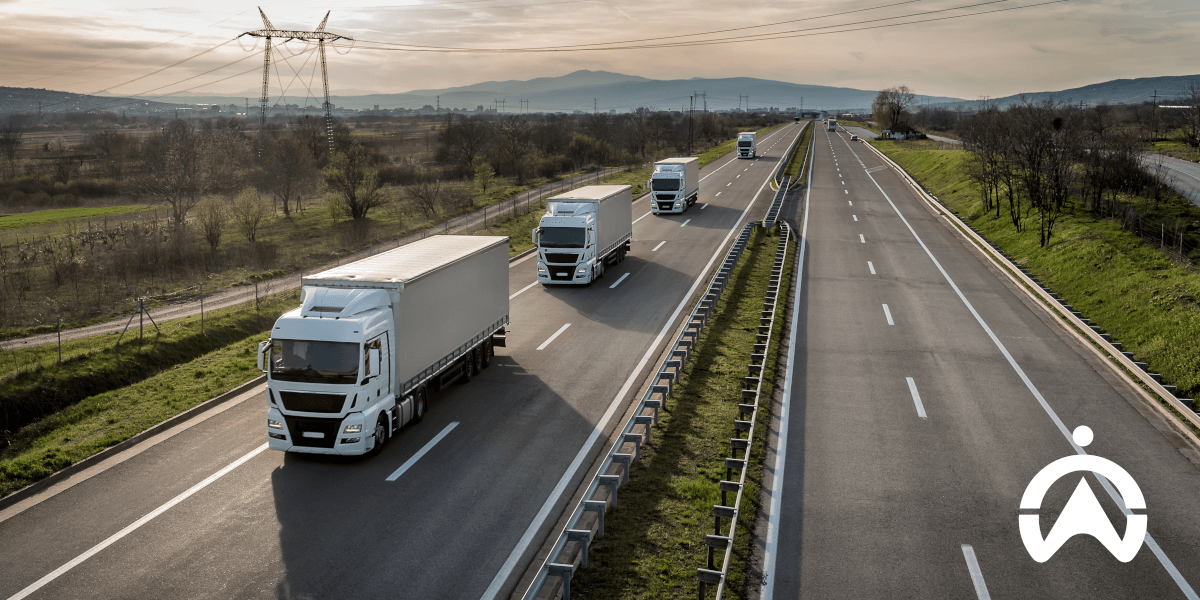
3 reasons why we should consider switching to electric vehicles
Since the popularisation of EVs, they have also been implemented in fleets across much of the world. See why switching to EVs has several advantages for businesses.
- Eliminate fuel costs: For fleet operators, “filling the tank” often means headaches due to fluctuating fuel prices and ever-increasing costs. Budget control becomes a struggle, and switching to EVs offers a promising solution to minimise fuel costs.
- Reduction of fleet maintenance costs: Less fluid means less downtime and lower costs, especially for large fleets. Plus, real-time data and proactive maintenance keep EVs running, maximizing uptime and supporting business growth. This isn't just a fuel swap; it's a strategic shift toward efficiency and cost-effectiveness.
- Improved vehicle efficiency: Instant torque is one of the advantages of electric vehicles (EVs) that motorised vehicles lack. While motorised engines require power, they can no longer match the instant acceleration offered by EVs. Instant torque would be a significant benefit to the logistics industry, especially trucks and other large vehicles.
Cartrack can help develop a more environmentally friendly fleet.
Fleet management technology in our industry continues to evolve, and we are ready for the future with features that can help leverage and optimise the implementation of electric vehicles (EVs) in fleets.
Be proactive about EV maintenance and optimise savings
Cartrack Indonesia's fleet platform allows us to follow a predictive maintenance schedule, which prevents unnecessary vehicle breakdowns, repairs, and downtime. Adhering to a general maintenance routine can significantly reduce operational costs, improve budgeting, and allocate more funds to other fleet-related needs.
For example, monitoring EV battery health and lifespan is crucial, as battery replacements are costly. Dedicated telematics data provides up-to-date information on EV health. Fleet management platforms also offer valuable insights by providing accurate data on vehicle and engine health, as well as driving behavior. The MiFleet platform can help manage all fleet-related costs, including registration and licensing fees, promote compliance, and help avoid late payment penalties.
Don't worry about mileage or vehicle downtime
While filling a gas or diesel tank is quick, charging an EV battery takes time, and extreme temperatures can also extend charging times. In a fleet context, charging time equates to vehicle downtime, significantly impacting fleet operations.
Cartrack Indonesia's fleet management platform can help offset lost time by optimising all aspects of operations with advanced route planning and optimisation tools that also allow for route planning around critical charging stations. Furthermore, you can schedule charging times into your fleet workflow, monitor EV battery life in real-time, and stay up-to-date on all mileage statuses to prevent vehicles from ending up stranded with empty batteries.
Contact Cartrack Indonesia today to optimise your EV fleet management needs. If you are ready to start adding EVs to your fleet, we are ready to make your eco-friendly fleet system the best it can be. Contact Cartrack Indonesia by clicking the link here!