EN
EN  ID
ID 


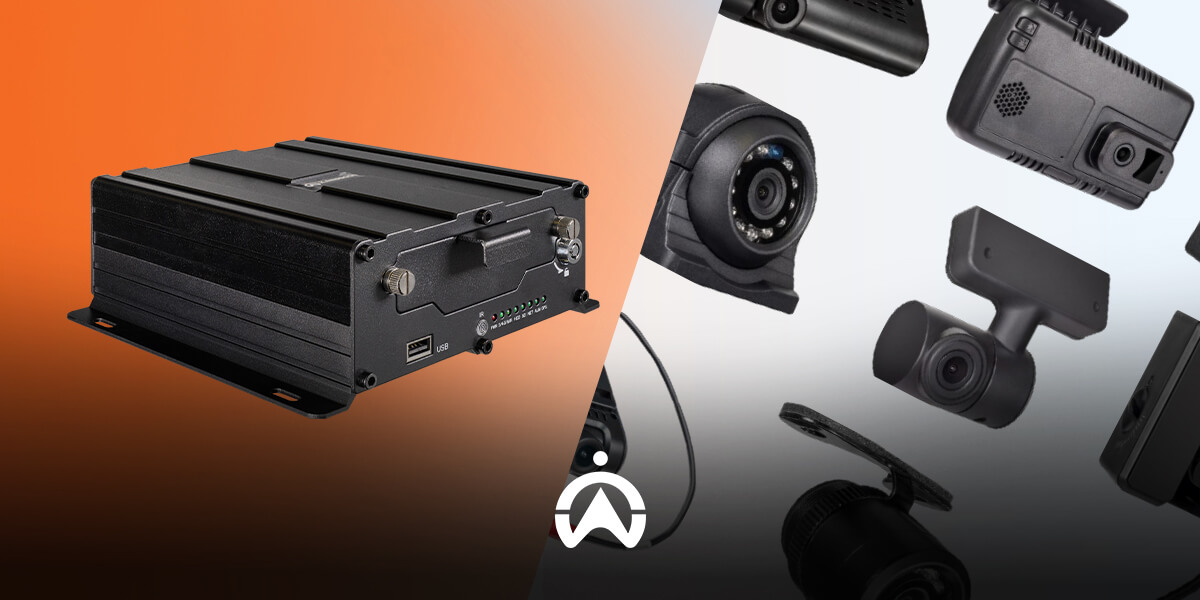
If your vehicle uses more than one camera for monitoring, you'll need an additional device, an MDVR. In addition to storing footage, this device allows you to live stream and utilize AI cameras.
This time, we'll discuss MDVRs, a specialised device that's crucial for vehicle camera monitoring systems. What is an MDVR, and how does it work? Find out more in the following article.
What is MDVR?
A Mobile Digital Video Recorder (MDVR) is a device that connects multiple fleet cameras and enables video recording and storage. If fleet cameras are the eyes, then the MDVR is the brain of the system, storing and processing the footage.
If you're a CCTV user, you're probably familiar with Digital Video Recorders (DVRs), which act as camera hubs. MDVRs serve a similar purpose, specifically for fleet cameras or CCTV systems.
What is the Function of MDVR in Vehicle Monitoring System?
While a computer has a CPU, a fleet video monitoring system has a Mobile DVR that acts as its "brain." Some of the functions this device can perform include:
1. Managing multi-cameras
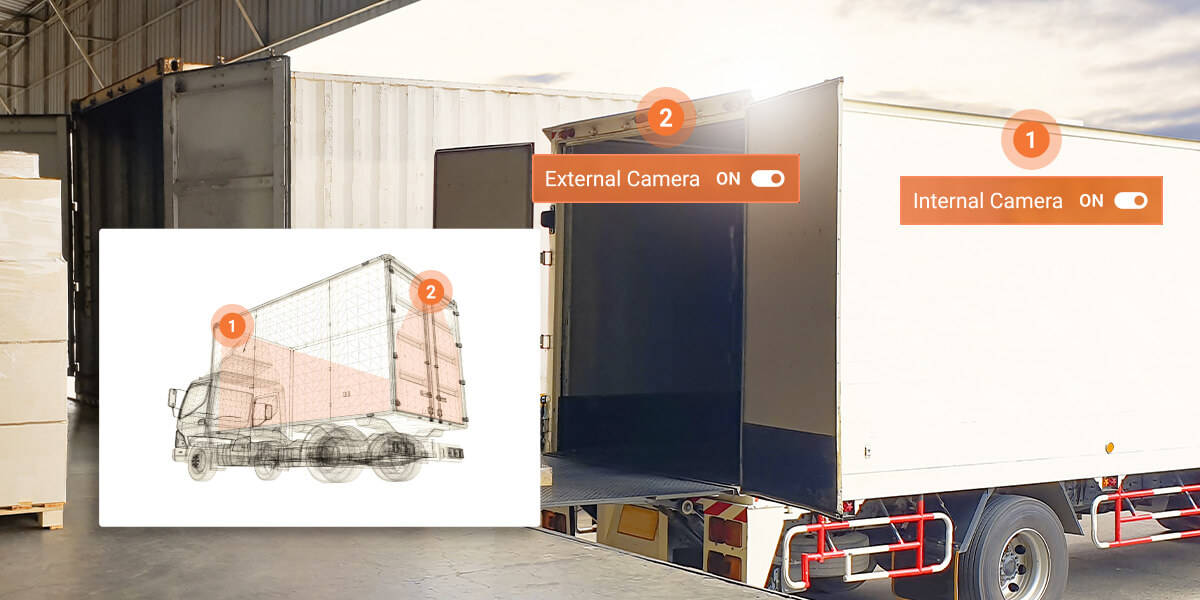
MDVRs have a hub that allows monitoring of multiple fleet cameras simultaneously (usually 4, 6, or 8). This allows you to view footage from multiple cameras in a single view.
2. Video and data storage
MDVRs not only manage cameras, but also store vehicle video recordings. Furthermore, these devices manage storage, for example, with a loop recording feature that automatically deletes old recordings when new ones are recorded.
3. Integration with Fleet Management System
Furthermore, Mobile DVR also allows your cameras to be connected and integrated with Fleet Management Systems and GPS. This allows you to track location, monitor driver behavior, and access vehicle data all within a single platform.
4. Send data to the server
An MDVR connected to a Fleet Management System will transmit data from the cameras to a server. This allows for remote monitoring with live camera streaming.
Also Read: What is a Dashcam: A Camera Solution for Vehicle Security & Surveillance
How Does MDVR Work?
The way MDVR works starts from the camera recording images until the video can be accessed, either directly from the device or remotely.
1. The camera captures the image
First, each fleet camera captures images around the vehicle. The cameras then transmit the video signal to the MDVR, which then forwards it and processes it, either storing it or streaming it directly.
2. MDVR receives and processes video
After receiving the video, the device will continue recording and saving it to a storage medium such as an SD card. It will also compress the recording to a smaller file size.
3. MDVR records additional data
The device will then record additional data, such as GPS, AI Camera, and fleet management systems. At this stage, the vehicle's location will be recorded, as will any risky behavior captured by the AI camera.
4. Access videos remotely directly
You can access stored videos and recorded data, either directly or remotely. For direct access, simply connect the device to a monitor. Remote access to vehicle video recordings requires integration with a specific system, such as a Fleet Management System.
Benefits of Using MDVR for Transportation Businesses
Using a Mobile DVR allows you to perform video monitoring for the entire fleet, which provides the following benefits.
1. Security
The camera allows recordings, especially during accidents, to be used as evidence and investigation materials. In fleet management systems, MDVRs also allow you to request incident recordings remotely.
2. Monitoring driver behavior
MDVRs also play a role in monitoring driver behaviour, especially when using cameras with Artificial Intelligence (AI). When the camera captures risky behaviour, the device will recognise it and trigger an audible warning.
3. Prevention of theft/embezzlement
With this recording system, you can prevent theft and embezzlement of goods or fuel from your fleet. You can request recordings for investigation if you notice suspicious activity.
4. Proof of insurance claim
The footage stored by the MDVR can also be used as evidence in insurance claims if an accident causes damage to your operational vehicle. With this evidence, your claim will be more likely to be successful.
5. Fleet operational efficiency
Using an MDVR as part of a fleet monitoring system will reduce unexpected expenses. Furthermore, this device allows for live monitoring via live streaming, thereby reducing the risk of fraudulent activity.
When Do You Need an MDVR?
After the explanation above, you might be wondering, when exactly is an MDVR necessary? Here's the explanation.
1. Using more than 2 cameras
As a camera hub, using an MDVR is essential if you have more than two cameras in your fleet. This device will allow you to monitor all cameras simultaneously, directly on a single screen.
2. Requires driver supervision function
Using driver monitoring requires integration with Artificial Intelligence (AI), which requires MDVR processing. This way, when the camera captures risky behaviour, the AI will recognise it and trigger automated alerts.
3. Want to do live streaming
If you want to live-stream your vehicle's monitoring in real time, you'll also need an MDVR. This device allows internet connectivity so recorded video can be directly sent to a server and accessed via the web or an app.
Fleet Monitoring Solution with Cameras from Cartrack
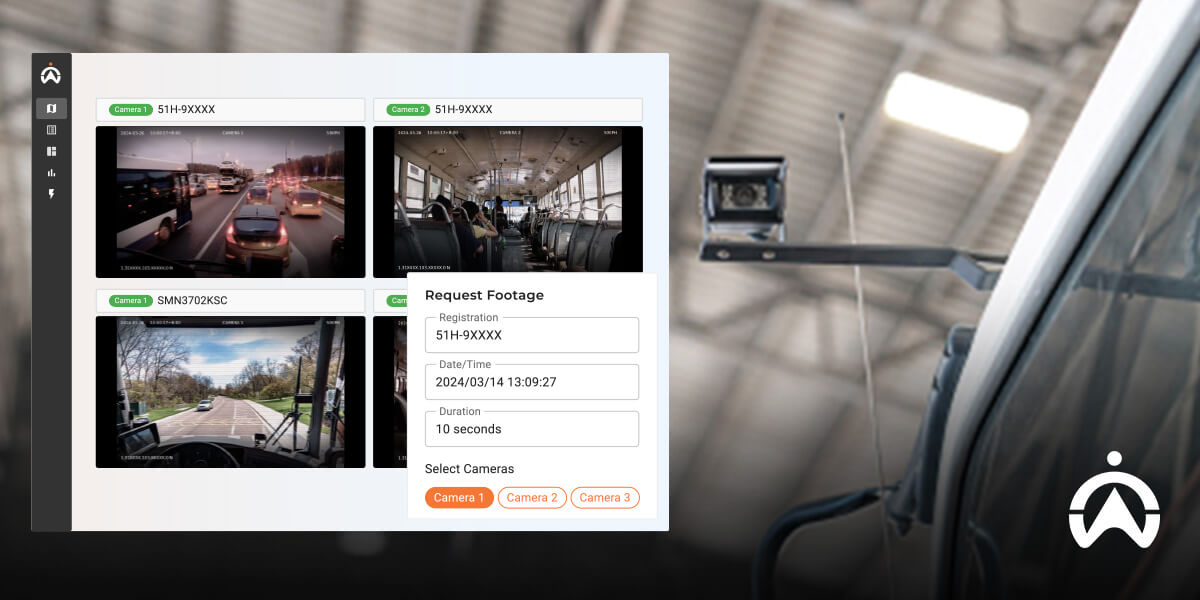
Mobile DVR is a crucial component of Cartrack's AI Vision and Non-AI Vision camera monitoring solutions. Fortunately, you don't need to purchase this device separately, as it's included in your subscription rental package.
The advantages of Cartrack's fleet camera features include:
-
You can request a recording of a specific incident.
-
Live-stream multiple cameras at once
-
AI technology implementation (AI Vision)
-
Multi-view up to 8 cameras
-
Storage up to 1TB
Cartrack's AI Vision camera can detect risky driving behaviors such as:
-
Sleepy
-
Mobile phone usage
-
Smoking
-
Potential for frontal collision
-
Use of seat belts
-
Passengers board after the engine starts
-
The driver covers the camera.
Also Read: Best Personal and Fleet Car Dashcams 2025
That concludes our discussion of one of the essential devices in a fleet monitoring system using cameras, the MDVR. This device allows you to view footage from multiple cameras simultaneously and also request recordings if certain incidents occur.
One use case for MDVR is Cartrack's AI and non-AI cameras, which enable comprehensive vehicle monitoring. Discuss your fleet camera needs with Cartrack! Complete your details in this form, and our staff will be in touch shortly.