EN
EN  ID
ID 


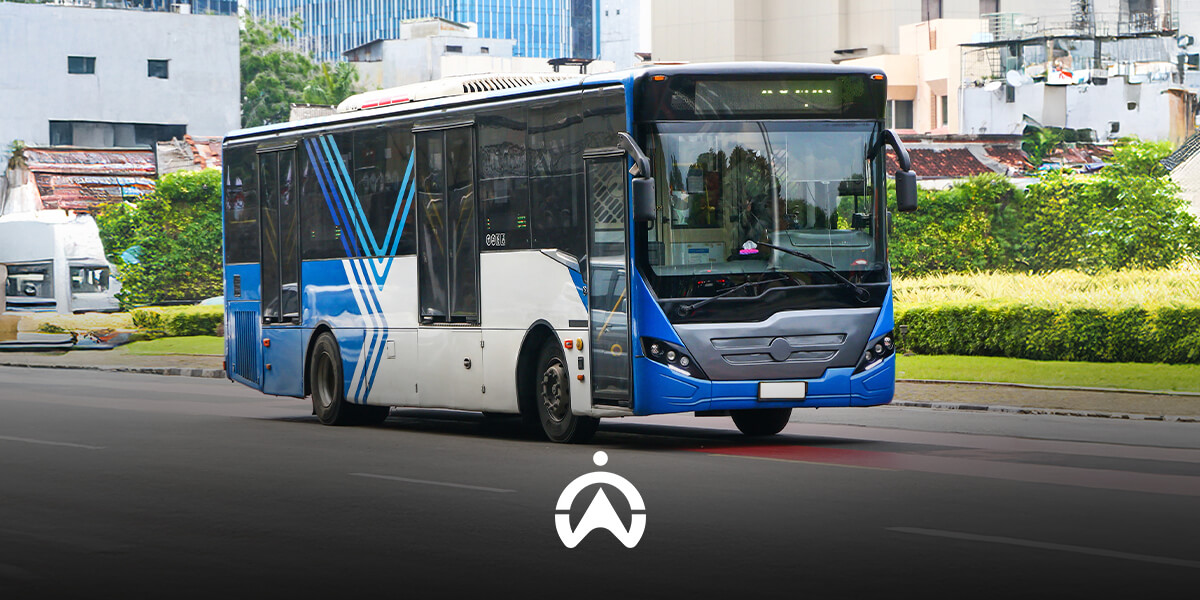
In managing a bus fleet, whether for public transport or tourism, you need an efficient fleet management system. One of the technologies you can use to manage a bus company (PO Bus) is a GPS tracker.
Using a GPS tracker will allow you to track your journeys in real time and access data. This will undoubtedly improve the security, efficiency, and quality of your business or company's services.
Benefits of GPS Tracker on Bus
Using a tracking device for buses has several benefits for the overall operational process. Some of these benefits include:
1. Remote vehicle monitoring
Tracking devices allow you to remotely track your vehicle's location. This way, you can receive updates on the vehicle's progress without having to contact or wait for the driver to contact you.
2. Monitor driver behaviour
You can find out if drivers are speeding, braking suddenly, or if the engine is running but the bus is not moving (idle), which wastes fuel. This data can then be used as an evaluation tool for future operational performance.
3. Prevent vehicle theft
The Geofencing feature allows you to create virtual boundaries in the form of areas or safe location points for your fleet to operate within. You can set up notifications if a unit leaves that area, as this may indicate potential theft.
4. Travel history data for analysis and audit
A GPS telematics tracker not only allows you to track vehicles but also track their trip history and other data. This will certainly facilitate audits, evaluations, and efficiency analysis.
5. Simplify fleet management
Fleet management systems typically integrate tracking devices with various other features. For example, if you're using a fuel monitoring system or fleet cameras, everything will integrate seamlessly.
Also Read: Best Recommended GPS Applications for Trucks
Basic Features of GPS Tracker for Bus Fleet
When choosing a tracking device for your bus fleet, make sure the following important features are present as basic functions.
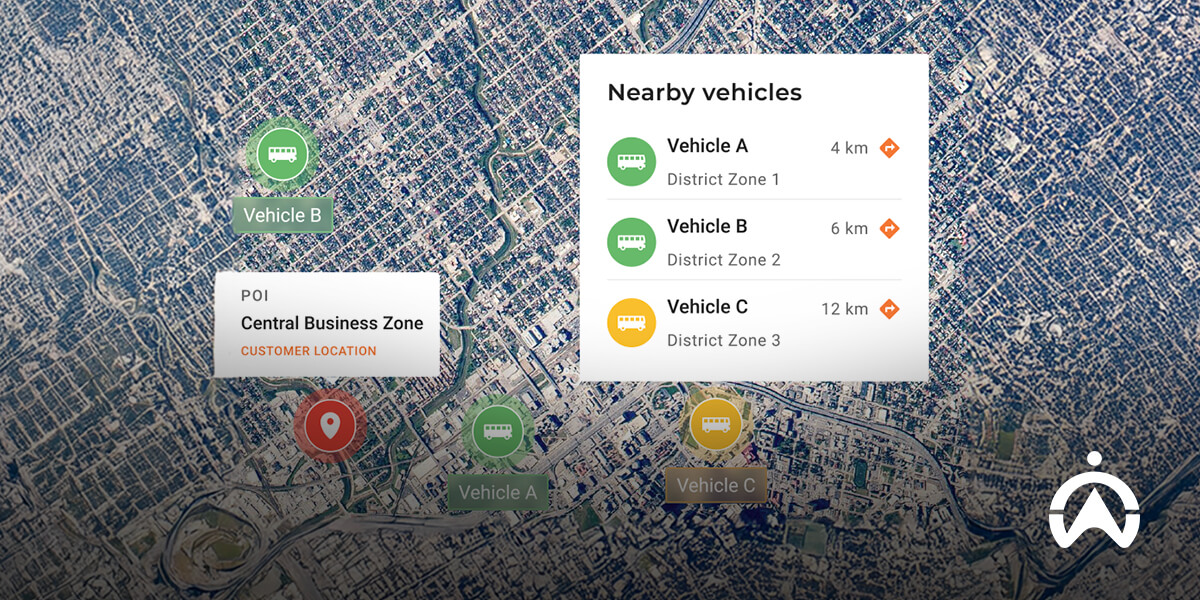
1. Real-time vehicle tracking
Vehicles like buses are almost always moving during operation, so your tracking device should enable real-time tracking. This way, you can get more accurate information about your vehicle's location.
2. Geofencing
The geofencing, or virtual fence, feature allows you to define areas and locations for your fleet to pass through or avoid. You can set notifications when vehicles enter or exit specific areas.
3. Warning notification
A bus tracking device should also allow you to receive notifications for risky behaviour. For example, if you receive a notification about a driver idling for too long, you can contact them immediately.
4. Automatic trip report
Fleet GPS trackers typically come equipped with telematics devices that record vehicle trip history and driving data. These comprehensive data reports greatly facilitate driver and operational evaluations.
5. Access the web and app dashboard
With tracking functionality, it's even easier if the GPS tracker has web and app access, allowing you to access it anytime. It's also easier to receive important notifications, such as when your vehicle exits a geofence or if you experience risky driving behaviour.
Also Read: Anti-Theft GPS Tracker for Motorcycles
Tips for Choosing a GPS Tracker for Buses
Choosing a GPS tracker for your bus can be difficult if you don't have a clear benchmark. Here are some tips for choosing a tracking device that you can use as a guide.
1. Make sure the purpose of use
The first thing you need to determine is the purpose of using the tracking device. Do you only need the tracking function or do you need more features than just a tracker for your bus fleet?
If all you need is a tracking device, purchasing a device with a simple system might be sufficient. However, if you need a tracker that can integrate with other features, you'll need a tracker with a comprehensive fleet management system.
2. Check the availability of basic features and functions
As mentioned above, the basic features of a tracking device are real-time tracking, geofencing, notifications, automatic reporting, and web and app access. If you need a tracking device for your bus, make sure it has at least these five features.
Without all these basic functions, it will be impossible to get all the benefits of GPS Tracker as mentioned above.
3. Consider additional features
A bus tracking solution integrated with a Fleet Management System like Cartrack offers supporting features beyond a basic tracker. You can also include AI cameras, fuel sensors, and an immobilizer feature to prevent theft, among others.
You can access and manage all these features from a single dashboard because they're integrated with the same system. This means you don't need separate access points or separate systems to manage your bus fleet.
4. Support services
Choose a tracking device provider that offers technical support, customer service, and a warranty for malfunctioning products. This is because installing and repairing tracking devices requires professional technicians.
Additionally, ensure they offer 24/7 customer service in case of any issues. You should also ask if they offer a device warranty in case the device breaks during use.
5. Easy to use
Your primary goal when looking for a tracking tool is to facilitate tracking and monitoring of your fleet. Therefore, you should examine the interface of the system used for monitoring.
Make sure the interface is easy to understand, not confusing, and user-friendly. If necessary, ask if you and your team can receive training on how to use each available feature.
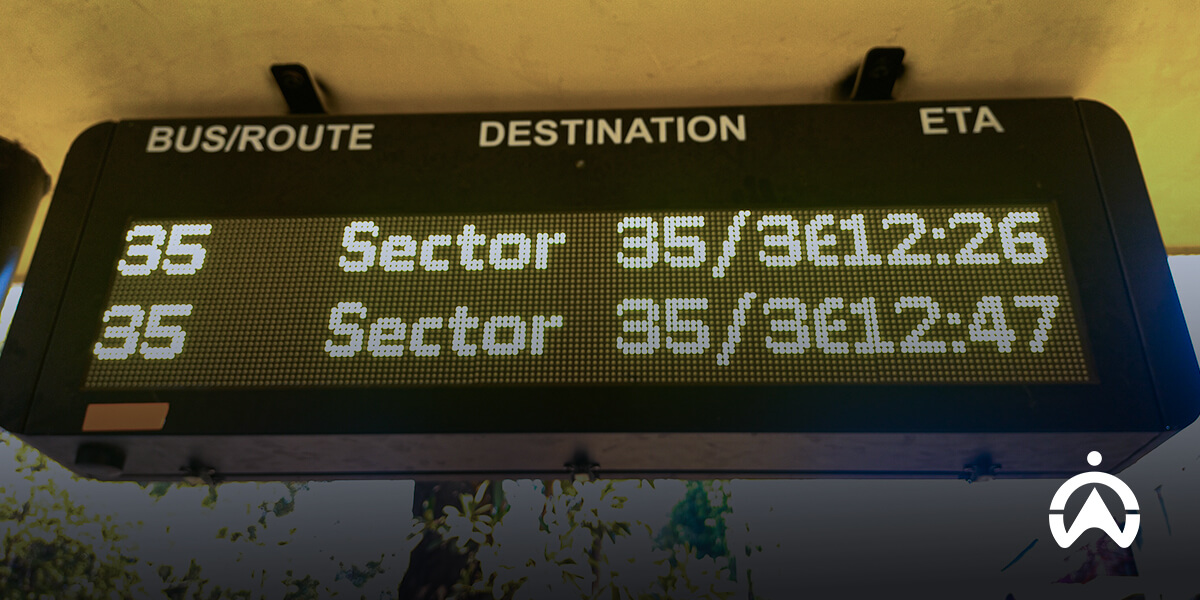
GPS Tracker Solution for Buses from Cartrack
Cartrack's GPS Tracker is part of a fleet management system that integrates with various other features. Key features of Cartrack's GPS Tracker for buses include:
-
Real-time tracking
-
Geofencing
-
Access travel history and data
-
Automatic full report
-
Easy to use user interface
In addition, there are other features that will be very useful for large vehicles such as buses, including:
-
Fuel Monitoring: Monitor fuel usage to prevent waste and theft with three types of fuel sensors according to vehicle type.
-
AI Vision: Prevent accidents with an AI camera that can detect drivers who are sleepy, distracted, or using a mobile phone.
-
Non-AI Vision: Enhance security in the passenger cabin to prevent theft, harassment, and other risks with Non-AI fleet cameras.
-
Start Prevent: Prevent theft of your bus fleet with a feature that can deactivate the starter when theft is indicated.
-
Panic Button: Press the panic button when there is an accident, robbery, or fire so that the system sends an emergency alert to the office to immediately send help.
Also Read: 3 Benefits GPS Tracker for Heavy Equipment Rental Companies
A GPS tracker is essential for simplifying monitoring and enhancing the security of your bus fleet. Ensure the tracker you choose integrates with a fleet management system like Cartrack.
Not only tracking functionality, you can also connect fuel monitoring and driving behaviour supervision using AI cameras. Get a special offer for a Fleet Management System and GPS tracker for your bus company by completing the following form.