EN
EN  ID
ID 


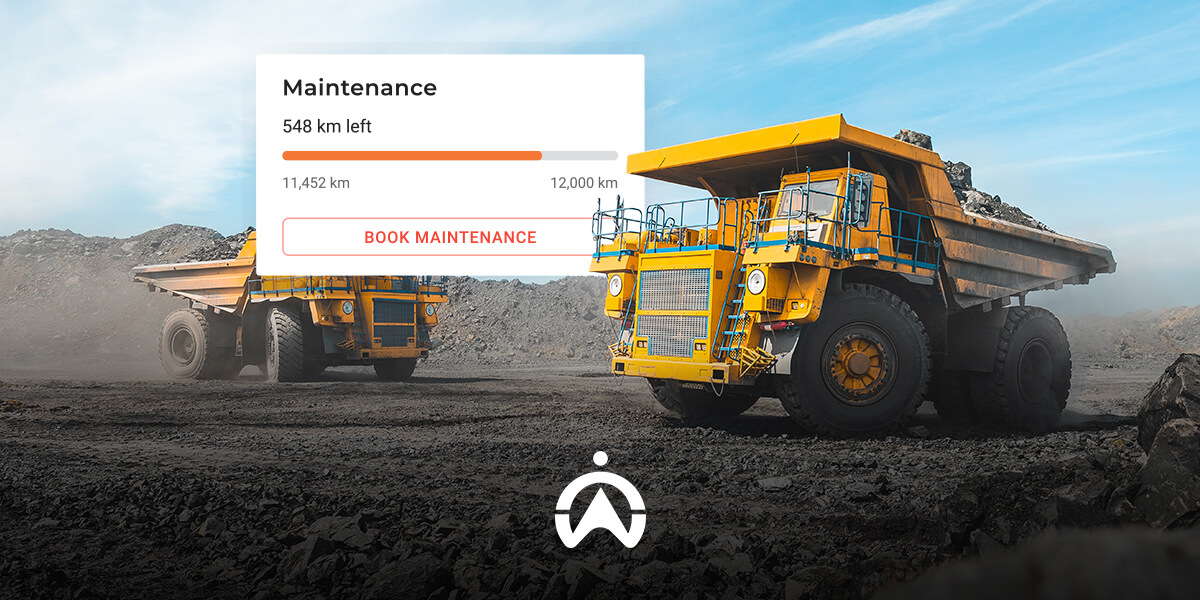
Sudden heavy equipment breakdowns not only delay work but also result in significant unexpected financial outlays. In some cases, this can even lead to lost profits as clients switch to other providers.
We often hear the saying "prevention is better than cure" in healthcare. This also applies to heavy equipment maintenance. Not only can you reduce significant repair costs, but you can also minimise unexpected downtime.
Types of Heavy Equipment Maintenance You Must Know
Similar to other types of fleet, heavy equipment maintenance consists of preventive, predictive, and corrective maintenance.
1. Preventive Maintenance
Preventive maintenance is maintenance performed even before any damage has occurred. This includes routine cleaning, oil changes, plumbing, or inspections of specific components.
2. Predictive Maintenance
In heavy equipment, predictive maintenance typically involves the use of sensors and fleet telematics or specific systems within the equipment itself. These systems are useful for early detection of potential damage to specific components before major damage occurs.
3. Corrective Maintenance
As the name suggests, corrective maintenance is performed when damage has already occurred and maintenance is needed to repair it. Corrective maintenance can be performed when damage is discovered during a routine inspection or when it occurs unexpectedly.
In addition to these three main types of maintenance, there's also overhaul maintenance, which is performed to meet specific industry or company standards. Furthermore, there's emergency maintenance, which is typically performed in the event of an emergency, such as an accident.
Challenges in Heavy Equipment Maintenance
Heavy equipment maintenance can be a challenge in its own right. Some of the obstacles you might encounter include:
1. Forget the maintenance schedule
You may have planned for routine servicing, such as an oil change after 5,000 hours of use. However, this has been forgotten and delayed over time due to operational constraints and the lack of dedicated maintenance staff.
2. Lack of maintenance history data for each unit
When your business has a large fleet, another challenge is documenting previous repair history. You'll need to document each repair and manually record the data in Microsoft Excel or a spreadsheet.
3. Coordination problems
Poor coordination between operators, operational managers, and technicians can also contribute to delayed or missed maintenance. Furthermore, a complex operator problem reporting system can make it difficult for technicians to identify potential damage.
4. Service cost increases
Any major unit failure is almost always accompanied by a series of minor issues that may be overlooked due to a lack of regular inspections. Major failures involving major component replacement will, of course, result in significant repair costs.
Also Read: Preventive Maintenance: The Solution for a Long-Lasting, Durable Vehicle
Effective Ways to Maintain Heavy Equipment
If your company has historically only acted after damage has occurred, you need to shift your focus to prioritise preventative measures. This policy will naturally involve everyone, from operators and technicians to operational managers.
1. Implement regular check-ups
The first thing you need to do is implement routine inspections, whether daily, weekly, or monthly, as needed. This ensures the vehicle is always in good condition when you need it.
2. Clean the vehicle regularly
Using heavy equipment often involves dirt and mud that sticks and leaves marks. Therefore, regular maintenance is essential to prevent damage to critical components like the engine, wheels, and other parts.
3. Apply lubricant regularly
Moving components such as gears, hinges, and hydraulic systems are generally susceptible to damage and wear. Therefore, be sure to inspect these parts thoroughly and lubricate them regularly.
4. Replace worn parts
If any damage is detected during routine inspections or during operation, immediate servicing is required. If the problem is caused by a damaged part, consider replacing it immediately to restore optimal performance to the machine.
5. Use fleet sensors and telematics
The use of technologies such as sensors and fleet telematics will be invaluable in providing a variety of historical and real-time data. This will help you analyse and detect potential damage before major damage occurs.
6. Train staff and operators
Carrying out comprehensive maintenance requires the involvement of all parties involved. Therefore, ensure education and outreach are conducted for every policy, including when you decide to implement fleet management technology.
Also Read: Fleet Management System: Definition and Benefits for Business
Simplify Heavy Equipment Maintenance with Cartrack
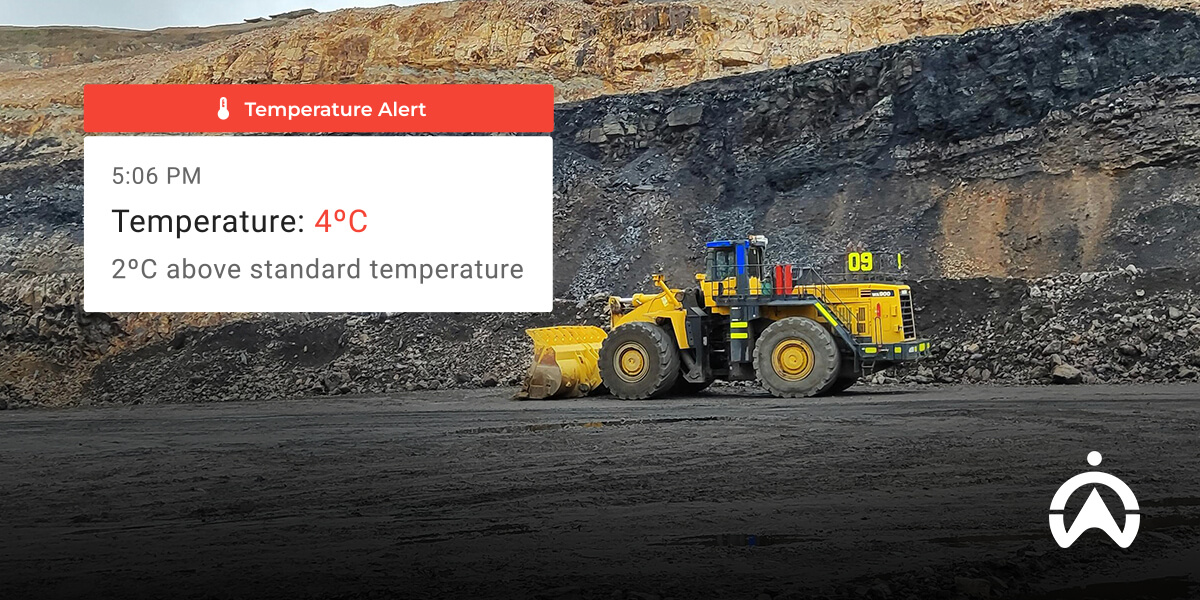
One of the featured features of Cartrack's Fleet Management System is the Maintenance feature, which allows you to manage the care and maintenance of your heavy equipment, from scheduling routine inspections and reporting accidents/incidents to repairs.
This feature eliminates the need to manually record all maintenance history in a separate system or document. Scheduled servicing also makes it easier to prepare and schedule replacement units for ongoing projects.
In addition to the Maintenance feature, Cartrack's Fleet Management System also provides other features that can help you manage operations, such as:
-
GPS Tracking: GPS tracking makes it easier for you to find out the location of heavy equipment, including those operating in remote areas.
-
Fuel Monitoring: Track fuel usage to identify waste, potential theft, and maximise efficiency.
-
AI & Non-AI Vision: Visual monitoring to ensure the unit is operating as intended and the operator is not performing any risky actions.
-
Power Take Off (PTO) Sensor: Sensor to ensure that idling occurs because the machine is being used for work.
-
Carpool: A feature for booking and scheduling fleet usage so there are no double scheduling or missed agendas.
Heavy equipment maintenance is one of the processes required to ensure smooth company operations. In addition to training and educating all staff on the importance of maintenance, you also need a system that streamlines the process.
Cartrack offers a Fleet Management System with Maintenance features that can help you simplify the complexity of maintenance management. You can access these features from a single dashboard for comprehensive fleet monitoring.
Improve efficiency in manpower, time, and costs by better managing your heavy equipment maintenance. Complete the form on this page, and our team will contact you for further information.
Also Read: Definition, Types, and Application of Vehicle Maintenance