EN
EN  ID
ID 



What is fuel efficiency?
Fuel efficiency refers to the distance a vehicle can travel with a given volume of fuel and is measured in liters per 100 km. The higher the litres per km travelled, the better the vehicle's fuel efficiency. Some of the most important factors to consider when it comes to fuel consumption and efficiency are driver behaviour and the vehicle's well-maintained condition.
How can someone be categorised as an aggressive driver?
Any driving behaviour will naturally affect the longevity of a vehicle and incur costs, but what sets aggressive drivers apart is the amount of fuel they waste and the increased damage they can cause in a shorter period of time. To avoid aggressive driving, you first need to know the signs of such behaviour, so let's take a look:
Sudden or hard braking: Hard braking can cause a vehicle to use up to 30% more fuel. Why? Because the vehicle's transmission, when shifting to a lower gear to regain lost momentum, requires more fuel.
Idling the engine for too long: Leaving the engine running while the vehicle is stationary for even a minute can consume more fuel, especially in heavy goods vehicles; this is according to research conducted by the Transport Research Laboratory. Idling the engine when it is not needed can also cause greater wear and tear over time.
Rapid acceleration: Accelerating a vehicle from low speed to high speed in a short time requires more energy than steady acceleration, this causes rapid fuel consumption rather than economical fuel use.
Warming up the engine: Drivers tend to warm up their cars in cold weather by warming up the engine. Since the vehicle isn't moving toward its destination, fuel used to warm up the engine is wasted and can significantly increase fuel costs.
Driving with a heavy load: Sometimes, we tend to overload our vehicles to limit travel time, whether it's cargo for delivery or luggage on the way to vacation. Overloaded vehicles not only consume significant fuel but also increase road safety risks, as drivers struggle to brake suddenly, and cargo is more prone to tipping over during travel.
Additionally, overloading a vehicle reduces tyre pressure, causing it to overheat. This leads to higher fuel costs, as under-inflated tyres can reduce fuel efficiency.
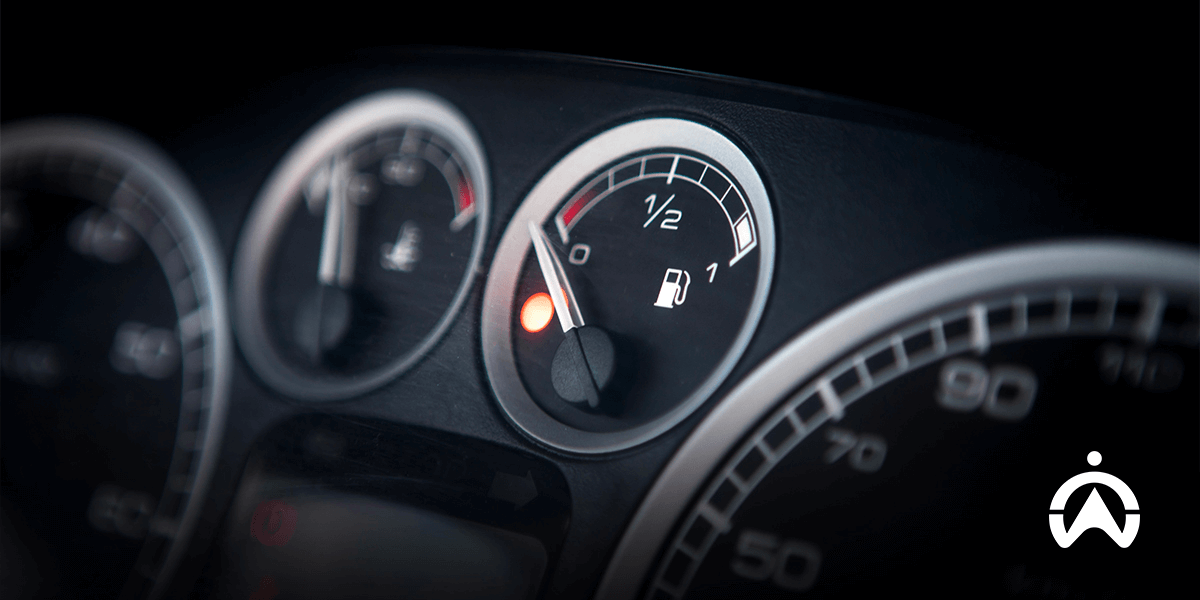
Ignoring maintenance signs: Ignoring important dashboard signs, such as the oil level, will cause the engine to work harder due to lack of lubrication. This will result in higher fuel consumption, which in turn will cost more.
Read Also: 8 Reasons Why Fuel Management Systems Fail
How can aggressive driving damage vehicles and shorten their lifespan?
As we know, the greatest value of a fleet lies in the longevity of its vehicles. Aggressive driving can increase wear and tear on critical vehicle components such as the engine, transmission, brakes, and suspension. Routine maintenance alone is not enough to keep a vehicle running smoothly. Vehicles will require more replacements if aggressive driving persists.
Why does someone drive aggressively?
We need to remember that fleet drivers are human. Every job has its own set of pressures, and drivers face the pressure of making deliveries on time while navigating traffic. This is why fleet managers must plan routes that minimise time-consuming tasks to ensure delivery deadlines are met.
The impact of aggressive drivers on the environment
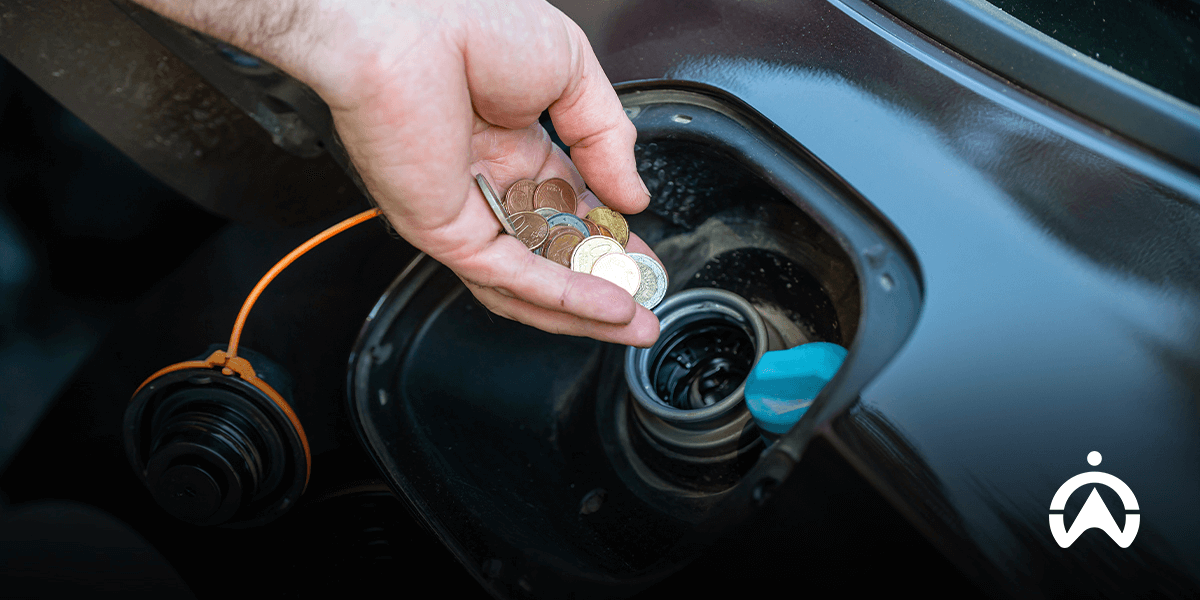
I'm sure you've noticed that our weather hasn't been like this before. According to the International Energy Agency (IEA), road transport accounts for 15% of global carbon emissions. Burning fossil fuels like petrol and diesel releases carbon dioxide into the atmosphere. Carbon dioxide (CO2) and other greenhouse gases, like methane, cause the Earth's atmosphere to warm, leading to the climate change we're already seeing.
Net Zero Emissions
Net zero means balancing the amount of greenhouse gases we emit with the amount we remove. According to the United Nations Climate Action, the Earth is currently 1.1°C warmer than it was in the 1800s, and we need to keep it to no more than 1.5°C. To achieve this goal, global net CO2 emissions need to reach net zero by 2050, while emissions need to be reduced by 45% by 2030.
As we now know, aggressive driving burns fuel faster and is a major contributor to harmful emissions. Bad driving habits not only waste fuel but also have a detrimental effect on our climate.
Healthy driving for better fuel efficiency
As the saying goes, “old habits die hard,” but it becomes easier once you understand the benefits these changes can have on your fleet’s fuel efficiency. Here are some simple changes you can implement in your daily commute:
Keep a safe distance in traffic
Maintaining a safe distance during traffic jams helps avoid sudden braking and acceleration. You'll also become more aware of traffic flow and improve your anticipation of hazards.
Routine vehicle maintenance
With a detailed vehicle maintenance plan, fleet managers can avoid potential long-term breakdowns and save fuel. For example, using the manufacturer's recommended motor oil can improve mileage by 1%–2%.
Choose the most efficient route
A well-planned trip means a smoother journey. Smoother trips mean less traffic, less idling, and less time on the road. Many fleet managers use fleet software to avoid unnecessary mileage, which also helps prevent road rage incidents that lead to aggressive driving.
Maintain a steady pace
Driving above the legal speed limit can cause accidents, wear out tyres, and waste fuel. Drivers should accelerate slowly and maintain a constant speed to help minimise fuel consumption.
Avoid excessive revving
After starting the vehicle, move immediately rather than revving to warm up the engine. Even while driving, unnecessary revving wastes a lot of fuel and increases wear on bearings and the engine, meaning more costs in the long run.
Check tyre pressure
Low tyre pressure causes the tyre to contact the ground too much, causing friction and increasing rolling resistance, making the engine work harder. Drivers should keep their tyres properly inflated and maintain the correct tyre pressure. Remember that nothing lasts forever, so you need to know when to replace your tyres.
Read also: How to Protect Your Fleet from Fuel Theft
Manual drivers – use gears wisely
Drivers should remain in the highest possible gear for most of the journey. Changing gears too quickly results in more fuel wastage. Also, when descending a hill, it's always recommended to shift to the lowest gear.
Get a fleet management system to help monitor driver behaviour and fuel consumption.
Last but not least, get a fleet management system that will help you plan all routes, view everything your drivers do, monitor fuel card transactions, and schedule vehicle maintenance. A good fleet management system will provide insight into everything related to your fleet, allowing you to make more informed decisions and train drivers if necessary.
The best fleet management platform for fuel efficiency – Cartrack
Here's how Cartrack can help you save fuel, money, and the planet. We have a fleet management system with features that allow you to track fuel costs and driver behaviour.
Advanced Driver Assistance Systems (ADAS)
Using camera-based sensors, intelligent algorithms, and artificial intelligence (AI), ADAS helps drivers maintain a safe following distance by monitoring the distance between vehicles. This is especially useful when the goal is to avoid sudden braking and accidents.
Fuel Monitoring System
With Cartrack's fuel monitoring tool, you can monitor your fleet's fuel levels and identify any sudden changes in fuel usage. Combining fuel monitoring with MiFleet fuel validation, a fuel theft/fraud detection system, and driver scorecards, you'll be able to determine whether the cause is rough driving, fuel theft, or fraud.
AI Vision
With Cartrack's AI Vision cameras, you'll have 24/7 access to your fleet. Drivers will also receive real-time voice alerts whenever they detect mobile phone use or fatigue. The cameras will also detect excessive speed, sharp turns, and sudden braking.
Driver Scorecard
Get an overview of each driver's behaviour with Cartrack's driver reports and scorecards. This will help identify specific areas for improvement and offer coaching to enhance their skills and develop safer, more fuel-efficient driving habits.
Introduce a good and correct driving culture with solutions from Cartrack
Cartrack's innovative solutions help you save costs on maintaining and optimising fleet operations according to your needs.
Contact Cartrack right now by clicking the link below and eliminate aggressive driving habits from your fleet!