EN
EN  ID
ID 


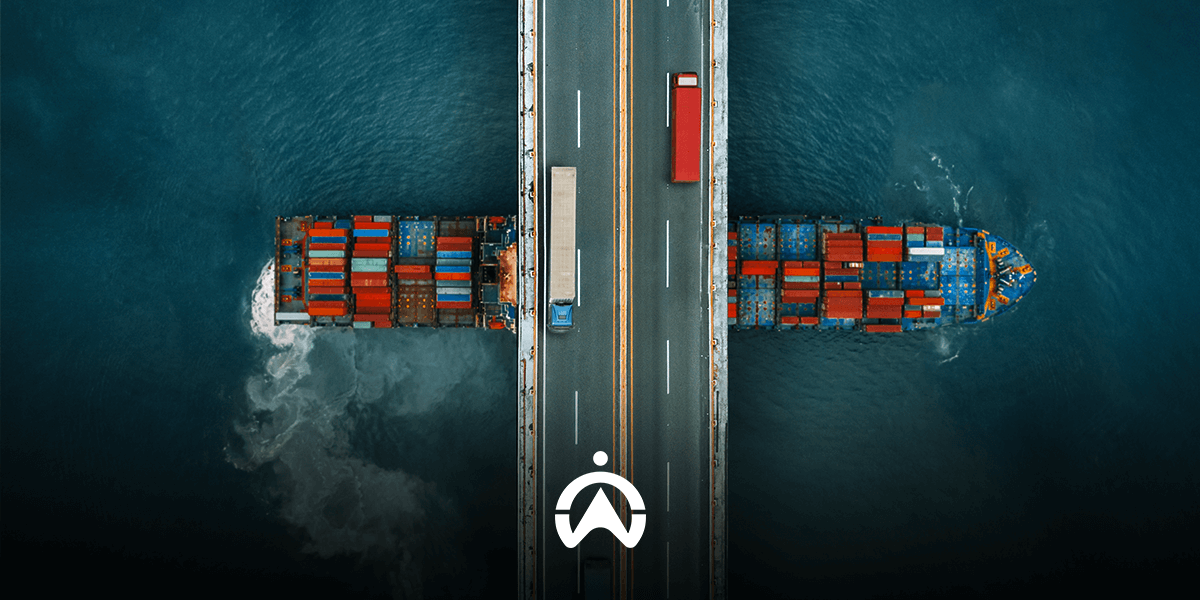
Just like other vehicle fleets, vessel fleets also require management so that their utilisation for business can be maximised. One solution to simplify their management is by using Fleet Management System (FMS)
Fleet management is essential if you own a boat charter business or any other business. Learn more about fleet management, including its definition, challenges, benefits, and how technology can help.
What is Fleet Management?
Fleet management is the management of a maritime fleet to maximise its efficiency as a mode of transportation and logistics. This includes monitoring, maintenance, and operational management of the shipping business.
In the shipping world, you'll be familiar with a tracking system called the Automatic Identification System (AIS). This system is an international regulation (including in Indonesia) for vessels of certain sizes and requirements.
With AIS, you can monitor the condition of other vessels in the same waters, thereby avoiding collisions. AIS is also very helpful in the rescue and assistance process in the event of a fleet-related accident or incident.
In addition to AIS, many businesses add GPS trackers and fleet management systems for additional monitoring and internal management. For smaller vessels that don't require AIS, a fleet management system can also be used for fleet management.
Challenges in Managing a Fleet of Ships
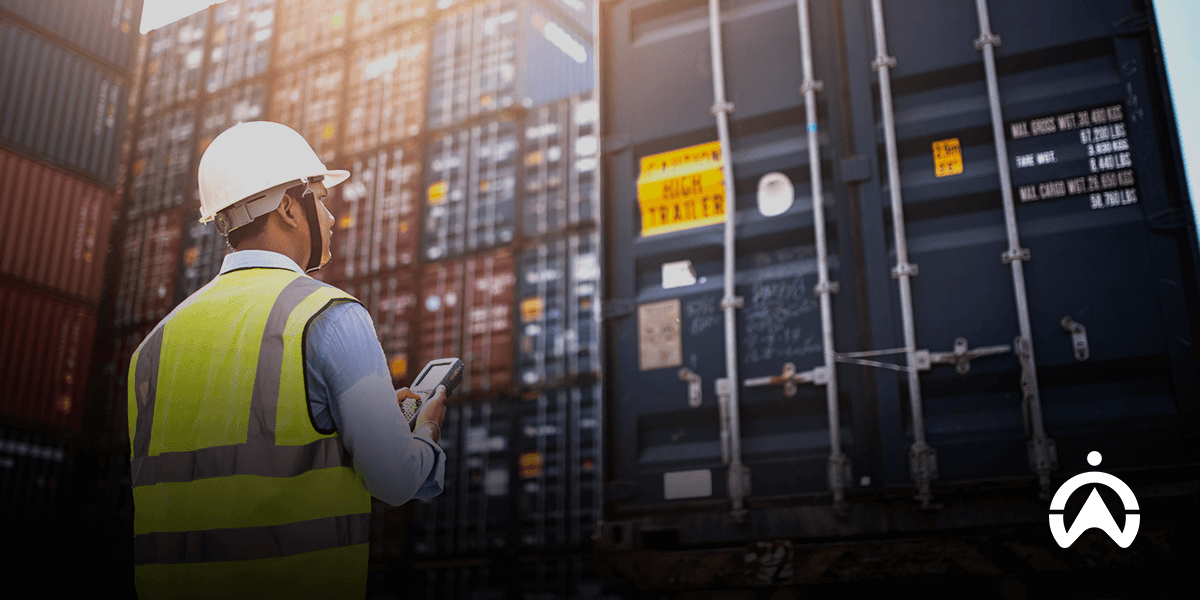
In managing a marine fleet, here are the challenges you may face in the field:
1. High operational costs
The costs of purchasing fuel, maintenance, and even crewing a ship are substantial. If you don't manage all these costs effectively, waste is highly likely, and efficiency will be difficult to achieve.
2. Risk of theft
If you own a small tourist boat rental business (such as a speedboat), the risk of theft is likely to be greater. Without a monitoring system like AIS or GPS tracking, your assets are highly vulnerable to theft.
3. Safety issues and regulatory compliance
Indonesia has specific regulations and rules regarding the use of ships, both passenger and cargo ships. Therefore, as a ship owner, you need to ensure that your fleet complies with these regulations.
4. Lack of technology integration
Many shipping companies in Indonesia still don't utilise technology in their management, particularly small recreational vessels. Without technology, manual management becomes increasingly difficult, especially if the fleet exceeds five vessels.
Also Read: Fleet Management System: Definition and Benefits for Business
Benefits of Technology for Fleet Management
The application of technology in fleet management on ships will provide various benefits such as:
1. Makes tracking easier
By using technology such as a platform or specialized fleet management software, you can easily locate and track vessels. Ensure the platform you use integrates with AIS or allows tracking with a GPS tracker.
2. Makes maintenance easier
Fleet Management System platforms typically make it easier for you to perform vehicle maintenance based on engine hours and the last service date. This preventative maintenance minimizes the risk of unexpected breakdowns.
3. Cost efficiency
By reducing sudden breakdowns, you'll experience fewer unexpected expenses. Unexpected costs of purchasing a new boat due to theft can also be avoided by maximizing tracking.
4. Improve navigation safety
With tracking, a well-maintained fleet, and the aid of a GPS tracker, shipping safety will be enhanced. This will minimise the risk of damage and unwanted accidents.
5. Improving customer satisfaction
All of the above will significantly contribute to a positive user experience. This way, you can increase customer satisfaction with the services you offer.
Also Read: Fleet Management System for the Mining Industry
How Cartrack Can Optimise Fleet Management
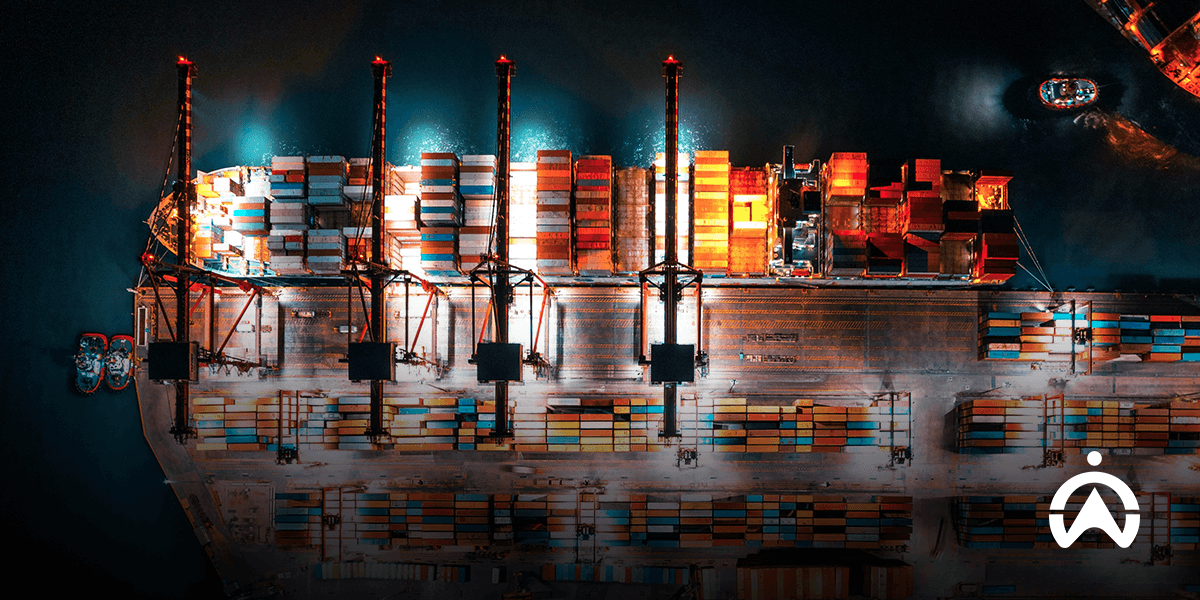
Cartrack's Fleet Management System can be a solution for monitoring and managing your marine fleet. If AIS is required for your fleet, you can use Cartrack as an additional tracker for internal management.
For those of you with a recreational boat rental business that doesn't require AIS, the GPS tracker from Cartrack's Fleet Management System will also be beneficial. Here are some features that will simplify your fleet management:
GPS Tracker
A GPS tracking solution that makes it easy to determine your vessel's exact location in real time and its voyage history. In addition to its monitoring function, this tracker can also be the first indication of theft.
Geofence
Create a virtual boundary (geofence) around areas that are permitted or restricted during the use of your vessel. This feature helps provide an early indication of theft when a vessel enters or leaves a designated area.
Maintenance Reminder
Cartrack has a Maintenance feature that allows you to set preventive maintenance reminders. This feature allows you to receive notifications so your vessel doesn't miss routine maintenance based on engine operating hours or the last service.
Also Read: 5 Functions of a GPS Tracking-Based Fleet Management System for Police Fleets
That concludes our discussion on fleet management on ships to improve efficiency and improve operations. You can utilise technology such as a Fleet Management System to assist you in this management.
Consult with Cartrack about your shipping business needs for fleet monitoring and management solutions. Complete your personal details in the form below so our staff can contact you and provide a tailored quote.