EN
EN  ID
ID 



Temperature sensors are a technology ubiquitous in our everyday lives. They range from simple applications in thermometers to functional applications like air conditioners and refrigerators, to more complex technologies like smart homes and smart farming.
Have you ever wondered how temperature sensors work? To answer your curiosity, we'll discuss how temperature sensors work, their uses, and how they can provide solutions for the cold chain industry.
What is a Temperature Sensor?
A temperature sensor is a device used to measure the temperature or heat of an object or environment. This sensor can detect changes in heat and convert it into readable information, usually in digital form.
You're surely familiar with a thermometer, right? This device is one example of a simple temperature-detecting sensor that we often encounter in everyday life. Household items like air conditioners and refrigerators also have similar sensors, only integrated into more complex systems.
How Temperature Sensors Work
In general, temperature sensors work by detecting changes in heat or cold through a specific material. These detected changes are then converted into data that can be read by the device or system using it.
Temperature sensors aren't just used to display data in the form of numbers we can read, like a thermometer. These devices can also be integrated into systems for more functional applications, such as regulating the cooling of air conditioners and refrigerators.
With a temperature sensor connected to a cooling system controller, the refrigerator can keep its storage space cool. This device can be used not only for cooling but also in heating systems such as incubators.
Also Read: What is the Impact of IoT on Fleet Management Systems?
Types of Temperature Sensors
As mentioned previously, temperature sensors work by detecting changes in heat/cold using a specific material. Here are several types of temperature sensors based on the material used.
1. Thermistor (Thermistor)
A thermistor is a device that changes resistance (impedance to electrical flow) in response to changes in temperature. This change is then converted into a numerical value that we can read.
These semiconductor devices are widely used because they are highly sensitive to small changes, making them considered more precise. However, thermistors are also highly susceptible to extreme temperatures and humidity or other conditions.
Examples of the use of thermistors: thermometers, refrigerators, and air conditioners.
2. RTD (Resistance Temperature Detector)
The RTD's working system is essentially very simple and utilises the correlation between metal and temperature. Metals like platinum have resistance that changes with temperature. As the temperature increases, the metal's resistance increases, and vice versa.
RTDs offer high accuracy, tend to be stable, and are durable even under extreme conditions. However, they respond relatively slowly to temperature changes compared to other sensors and are also more expensive.
Examples of RTD sensor use: in laboratories and drug storage rooms, manufacturing that requires high accuracy (example: semiconductor manufacturing).
3. Thermocouple
A thermocouple consists of two wires of different metals (usually iron and copper) joined at a single point. The temperature difference between the two ends of the metal produces a small current that can be converted into a digital temperature reading.
Thermocouple sensors can measure temperatures ranging from very low to very high, even reaching thousands of degrees Celsius. However, these devices have drawbacks, including low accuracy and the potential for electrical interference if improperly installed.
Examples of thermocouple sensor use: heavy industry (power plants, oil refineries, and chemical processes)
4. Infrared Sensor
An infrared sensor is a device that measures the heat radiation emitted by an object. Based on the simple principle that all objects with a temperature above zero emit radiation, this sensor measures the intensity of that radiation.
The main advantage of this device is that it can measure temperature without directly touching the object, providing instant results. The downside is that it can only measure the surface temperature of the object, and its accuracy can be affected by environmental factors.
Examples of infrared sensor use: non-contact thermometers, engine thermometers or overheating electronic components.
Use of Temperature Sensors in Various Fields
Temperature sensors are integrated into many things in our daily lives, both for household and industry.
1. Household
Air conditioners and refrigerators are examples of temperature sensors most closely related to our daily lives. Essentially, the sensors in these two electronic devices aren't just used to detect temperature but are also integrated into specialized mechanisms.
In refrigerators and air conditioners, a thermistor is used to detect temperature and is connected to a controller that can turn the cooling compressor on or off. This way, when the room is warmer than it should be, the cooling system will turn on.
2. Medical
In the medical world, temperature sensors can be found in thermometers and incubators. Thermometers generally use thermistors, thermocouples, or infrared, while incubators typically use thermistors or RTDs.
In a thermometer, the device is only used to detect temperature and convert it into digital data in the form of numbers that we can read. Meanwhile, in an incubator, the sensor that reads the temperature is usually connected to a controller that can turn on the heater.
3. Technology
In technology, temperature sensors are used in almost every field, from smartphones and laptops to smartwatches. In addition to detecting heat, these sensors are often connected to controllers that can shut down the device if it overheats.
Additionally, temperature sensors are one of the primary sensors in the Internet of Things (IoT), for example in smart homes. Temperature sensors integrated with IoT can learn user habits to optimize comfort and energy efficiency.
4. Agriculture
In the agricultural sector, temperature sensors can be used to measure soil temperature, in greenhouses, and even for post-harvest storage. Furthermore, with the development of IoT and smart farming technology, data can be accessed remotely.
Temperature sensors are not only useful in the agricultural sector, but also in the livestock industry. With these devices, owners can monitor the ideal temperature for animals like chickens or cattle to ensure their health and prevent disease.
5. Cold chain
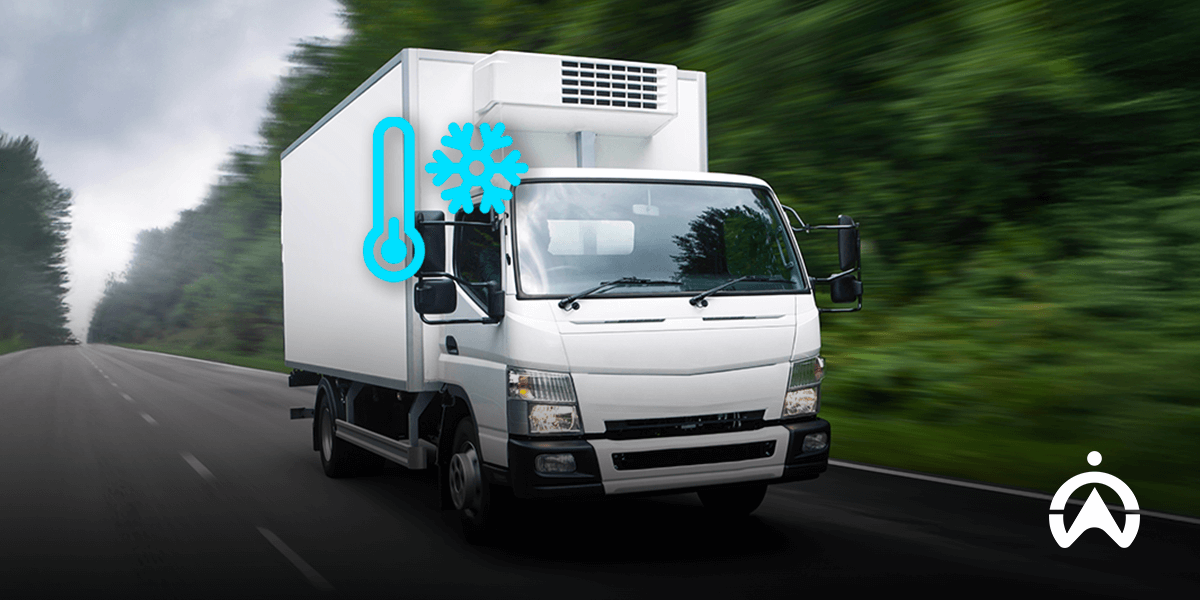
The cold chain industry requires strict supervision because it deals with temperature-sensitive products, such as frozen food, pharmaceuticals, vaccines, and other products that require temperature stability during shipping.
Temperature sensors can be installed in warehouses, refrigerated containers, and even at the final delivery point. If a temperature change exceeds the tolerance limit, the company will typically conduct an inspection and repair immediately.
Also Read: How to Monitor Vehicle Fuel with Cartrack's Fuel Sensor & MiFleet
Cartrack Temperature Sensors: Industrial Cold-Chain Solutions
The use of temperature sensors in the cold chain industry is essential, especially if your business prioritizes high quality and standards. Cartrack offers an IoT Temperature Sensor solution that not only detects temperature but also enables live, remote monitoring. With Cartrack's IoT-enabled temperature sensors, you can:
-
Ensuring quality: Many products, such as vaccines and medicines, must be stored and shipped to specific standards. WHO regulations are typically applied to each shipment to ensure quality and effectiveness.
-
Preventing losses: With real-time temperature monitoring using IoT technology, you can prevent losses due to product damage, especially for long-distance shipments that can take hours or even days.
-
Increase consumer confidence: With sensors that detect vehicle temperature, you can assure customers that product quality is maintained and minimize damaged products on the road.
Temperature Sensor Solutions for Cold-Chain Company AntarEs
One client that has used Cartrack's Temperature Sensor is AntarEs, a company operating in the cold-chain industry. AntarEs provides premium services for frozen goods with high standards.
The company already holds ISO 22000 certification, the Guidelines for Good Distribution Practice (GDP), and Hazard Analysis and Critical Control Points (HACCP). Operating in 25 cities across Indonesia, AntarEs has a diverse fleet that must be well-managed.
AntarEs entrusts Cartrack with its fleet management solutions, including GPS, AI cameras, internal cameras, cargo door sensors, and temperature sensors. All of these ensure the fleet operates according to established procedures and quality standards.
With the advancement of technology, the use of temperature sensors is increasing. Furthermore, with IoT integration, monitoring becomes even easier and can be a solution for the cold chain industry.
For those of you in the cold-chain industry, you can contact Cartrack for a Fleet Management solution that suits your needs. Fill out the following form to get a demo and quote from Cartrack!
Also Read: 4 Benefits of Cargo Door Sensors for Company Fleet Management in Indonesia