EN
EN  ID
ID 



Definition of Deviation in Travel Route
Imagine if you had mapped out the best route for drivers to avoid traffic jams and unnecessary stops so they could take the shortest possible route.
Then, for some reason, the driver deviates from the route, adding miles, minutes, and fuel to the trip. Something you didn't budget for. That's an example of a route deviation—a deviation from the route that throws off schedules and budgets.
While there are some legitimate reasons for deviations in the route, they often occur because the driver does not follow the planned route as instructed.
Types and Causes of Deviations in Travel Routes
Fleet managers know that even the most meticulously planned routes can encounter unexpected obstacles. "Route deviations" can be caused by a variety of factors, sometimes due to driver choices such as unplanned breaks or shortcuts that supposedly save time but actually have the opposite effect on fuel costs and efficiency.
There are 2 types of route deviation in a fleet-related context:
-
Lane deviation – the driver deviates from the planned route, increasing travel distance and time. This can happen for a variety of reasons, from missing a turn to following poor GPS guidance.
-
Sequence deviation – drivers stop in a different order than planned and instructed, potentially impacting delivery times, disrupting workflow, and increasing fuel usage.
Understanding the two types of route deviation helps fleet managers identify the root cause of trip issues and take appropriate action. By addressing the "why" behind shortcuts, fleet managers can ensure efficient routes, thereby reducing total fleet costs. Advanced route deviation and optimisation technology makes it easier for fleet managers to ensure drivers stick to their allocated routes, maximising savings.
Benefits of Route Deviation Technology in Fleet Management
Fleet management software offers route deviation systems because they are beneficial for:
Productivity: Using route deviation technology can increase productivity without sacrificing predictability. Time is money, and if fleets can operate more efficiently, fleet management can eliminate unnecessary costs.
Cost and waste management: If we expect our fleets to travel on pre-planned routes, we likely have good reasons for doing so, including increased productivity and reduced fuel costs. Identifying and locating where drivers deviate from their assigned routes helps fleet managers address these issues early and proactively prevent significant cost overruns.
Why use deviation technology on routes for fleets?
- Maximise Visibility: Route deviation software continuously monitors driver behaviour and vehicle location. Any deviation from the planned route is visible to fleet managers, allowing them to investigate potential issues such as unauthorised stops, inefficient shortcuts, or even potential safety issues.
- Optimize Resource Utilisation: This technology also plays a vital role in unlocking the full potential of the fleet by optimising resource utilisation and helping ensure that every vehicle, driver, and delivery is utilised efficiently.
- Improving Fleet Analysis: In the world of fleet management, route deviation software along with other telematics tools such as driver behavior monitoring can help identify issues such as excessive idling to turns and harsh braking, which can lead to unplanned maintenance and costly repairs.
- Happy Customer: In the cold chain industry, route deviations can lead to damaged products and dissatisfied customers. Using the best routes is crucial in this industry to ensure product quality throughout the journey, customer satisfaction, and prevent wasted money.
5 Effective Ways to Reduce Route Deviation in Your Fleet
Route deviation software is a tool that works best when combined with other telematics and vehicle tracking solutions. These five tools, when combined with route deviation detection, can deliver even better results. detail and accurate so that it benefits the fleet business.
- Route planning: Route planning still plays a crucial role in minimising these bottlenecks in fleet management, particularly for delivery and field service businesses. Fleet managers can optimise routes by closely monitoring route deviation patterns and the reasons why these deviations occur.
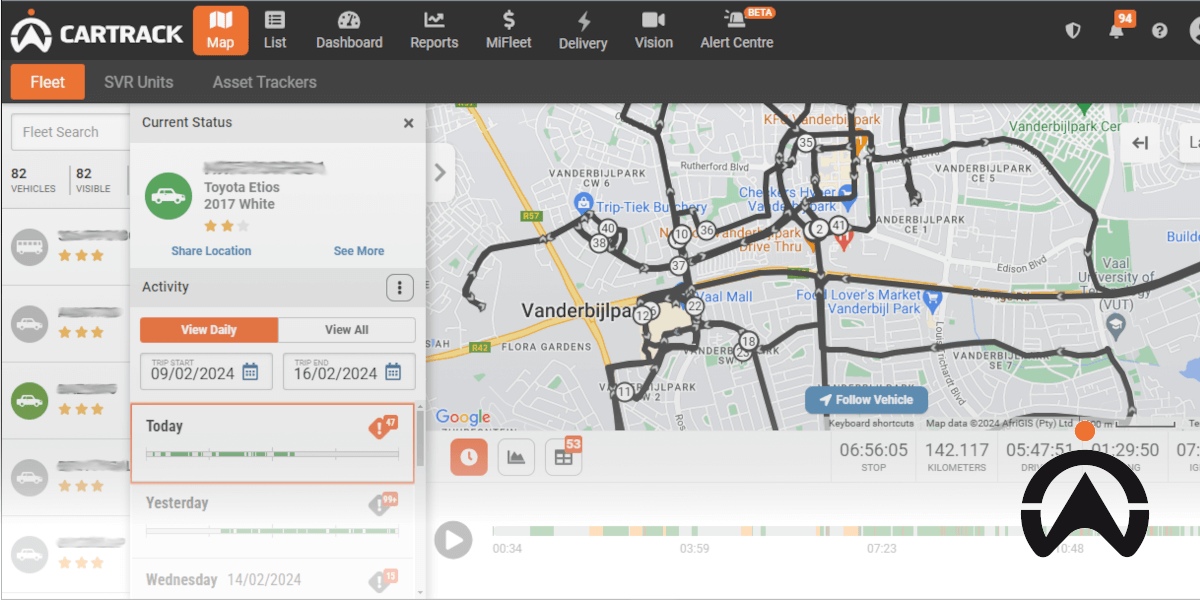
- Vehicle tracking: Tracking technology acts as a digital guardian in fleet management, not only for drivers but also by ensuring improved route efficiency. By using GPS tracking devices, managers can identify and address route deviations before they become costly shortcuts on a regular basis. Furthermore, analysing trip history provides valuable insights into past deviations. By identifying recurring issues and understanding the "why" behind them, managers can implement targeted solutions such as route adjustments or driver training, ultimately minimising future deviations and their associated costs.
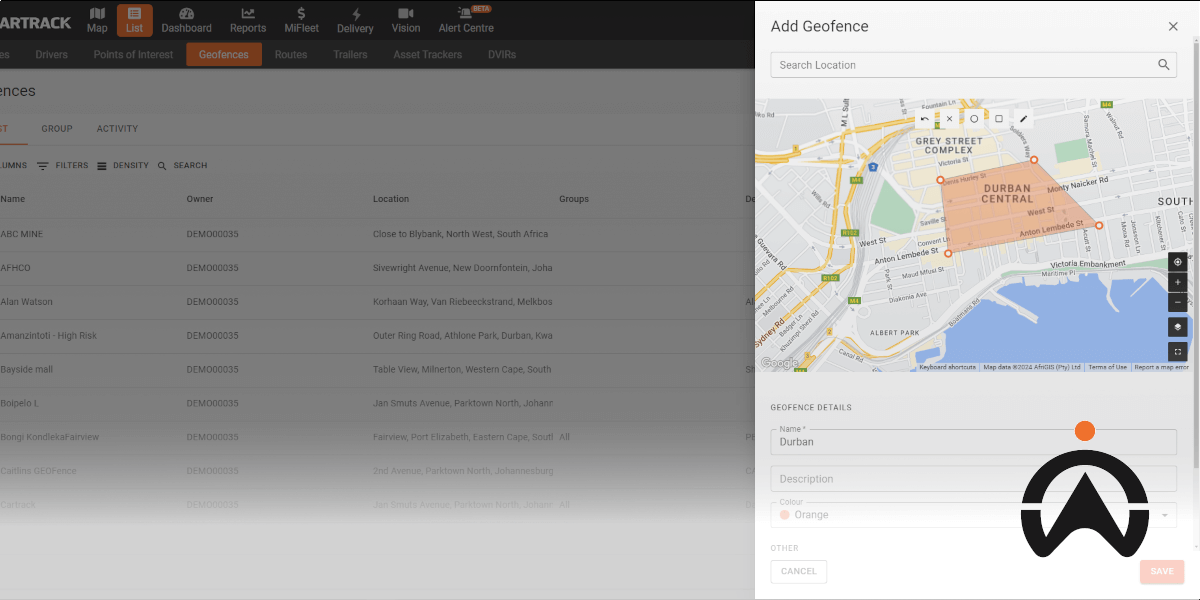
- Geofencing: By establishing virtual boundaries around designated delivery routes and zones, geofencing acts as a digital fence that automatically alerts dispatchers or fleet managers whenever a driver enters or exits a defined area. This helps prevent costly detours and potential safety issues. Moreover, geofencing offers more than just location tracking; when combined with real-time tracking software and driver ID tags, it provides valuable insights into employee activity within designated zones, ensuring efficient operations and optimised schedules. You will always know which driver entered a specific area and when, how long they stayed, and when they left.
- Regular driver performance appraisal: The key to conducting regular driver performance assessments is tracking driver behaviour on a daily basis. This allows you to detect potentially risky behaviours such as excessive speeding, harsh turns and braking, and even excessive idling, thus helping to accurately assess and develop corrective training programmes.
- Live driver monitoring: Live driver monitoring using AI-powered cameras or live feeds provides deeper insight into what's happening inside the cabin and uncovers driver behaviour that might lead to undetected route deviations. Furthermore, live driver monitoring helps provide insight into any accidents and emergencies drivers may encounter, whether they're sticking to their allocated route or deviating.
We have cost-cutting tools to eliminate route deviations and optimise fleet management.
If you are looking for a product that offers an all-in-one fleet management solution, look no further. Cartrack Indonesia features an all-in-one platform designed to tackle costly fleet management issues, such as route deviation.
Route planning and optimisation: Prevent excessive fuel costs and avoid route deviations with advanced route planning software. Choose the most efficient route by reducing travel time and refining routes based on traffic and historical data.
Geofencing: Know when drivers enter or exit designated zones with Cartrack Indonesia’s geofencing. Create virtual boundaries around key areas, hazard zones, and work sites to optimise fuel costs and reduce route deviations.
Delivery: Save costs through faster, more efficient delivery using the Cartrack Indonesia Delivery app. With live tracking, driver performance metrics, route optimisation, and easy automated task assignment, you avoid unnecessary shortcuts and route deviations.
Driver behaviour monitoring: Improve route compliance and fuel efficiency by holding drivers accountable for harsh braking, excessive speeding, and sharp turns. As a result, you can save significantly on fuel and vehicle maintenance costs in the long run.
Eliminate route deviations by making Cartrack Indonesia your partner for fleet management.
Contact us today and start benefiting from telematics and vehicle tracking technology that helps eliminate route deviations, resulting in significant savings. Click the link here!