EN
EN  ID
ID 


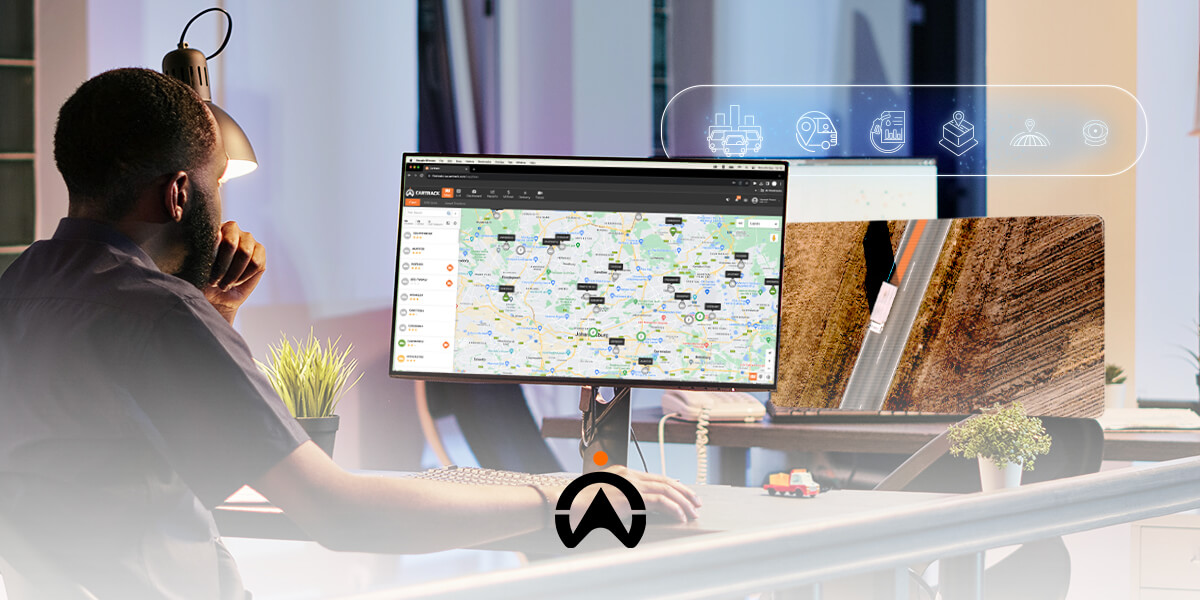
Fleet management today is characterised by the integration of advanced technology to streamline and enhance operational efficiency. These technologies leverage telematics, GPS, and real-time data analytics to provide accurate, up-to-the-minute insights into various aspects of fleet performance. Fleet managers can monitor vehicle locations, fuel consumption, driver behaviour, and maintenance needs in real time.
The use of technology-based solutions improves the decision-making process, increases data accuracy, and contributes to overall fleet operational cost savings.
Fleet Manager Responsibilities
Companies rely on their vehicles as a fundamental component, making them a critical factor. To improve, manage, and ensure fleet operations are optimal, managers must go beyond mere oversight; they must precisely implement, coordinate, and oversee all fleet responsibilities.
Let's explore some of the responsibilities and aspects of fleet management:
- Routine Maintenance
Fleet managers perform routine inspections to help prevent breakdowns and extend vehicle lifespan. They schedule routine inspections, repairs, and servicing to ensure fleet operations run smoothly and minimise downtime.
- Route Optimisation
Optimise routes to reduce travel time, fuel consumption, and overall fleet operating costs. Leverage advanced technologies such as GPS and traffic data to plan the most efficient routes and minimise fuel consumption.
- Security Measures
Implement comprehensive safety measures to protect drivers, passengers, and third parties. This includes driver training programs that emphasize safe driving practices, continuous monitoring of driver behavior, and strict enforcement of safety regulations.
- Technology Integration
If you need additional assistance, leverage advanced technologies like GPS, telematics, and real-time data analytics to gain valuable insights into vehicle usage, performance, diagnostics, and driver behavior. These insights enable fleet managers to make informed decisions to optimise their fleet.
- Cost Control
Closely monitor expenses, negotiate favorable rates with vendors, and implement cost-saving measures to ensure the fleet operates within budget constraints. This proactive approach protects the company's financial health and ensures the long-term sustainability of the fleet.
- Compliance and Regulation
Stay informed about applicable laws and regulations regarding vehicle operation to ensure compliance and avoid potential penalties. This includes adhering to fuel efficiency standards, maintaining vehicle records, and obeying traffic laws.
- Data Analysis and Reporting
Analyse data trends to proactively address emerging issues, implement cost-saving measures, and continuously improve fleet performance. By analysing data insights, businesses can make informed decisions to drive growth.
10 Reasons Why You Should Switch to Modern Fleet Management
To transition from traditional fleet management to modern fleet management, a fleet manager needs to equip their fleet with a comprehensive set of smart tools.
An effective fleet management system integrates various functionalities, each of which plays a critical role in ensuring the fleet operates effectively. These include:
- Advances in Telematics
Integrate a robust telematics system into your fleet and gain the ability to actively monitor your fleet with GPS tracking, vehicle diagnostics, and insights into driver behavior.
Telematics systems track vehicle location and provide data on engine health and more, enabling fleet managers to make data-driven decisions to optimise routes and maintenance schedules.
- Fleet Management Software
Invest in an advanced fleet management software package that goes beyond basic fleet management. This platform offers a centralised dashboard, analytics, and reporting tools, empowering fleet managers with data-driven decision-making capabilities.
- High-Tech Vehicle Tracking Device
Improve fleet performance by installing vehicle tracking devices that not only report fleet location, but also provide detailed data on fuel consumption, engine health, and other critical parameters, ensuring 24/7 fleet visibility.
- Advantages of Fuel Management System
Implement a sophisticated fuel management system that monitors consumption patterns, optimises routes, and implements strategies to reduce fuel costs in real-time.
- Predictive Maintenance Solutions
Adopt predictive maintenance tools to proactively manage vehicle health, using real-time data and analytics to predict potential issues and minimise unexpected downtime.
- Driver Behavior Monitoring Instrument
Improve safety and efficiency with tools that monitor driver behavior, offering insights to improve fuel efficiency, reduce risks, and foster a culture of safe driving.
- Efficient Route Optimisation Software
Integrate route optimisation software that takes into account dynamic factors such as high traffic areas, road conditions, and weather, to suggest the most efficient routes, minimising travel time and fuel consumption.
- Use the Internet of Things (IoT)
Leverage IoT sensors for various industrial needs. For transporting perishable food, use temperature sensors to maintain optimal storage conditions. Monitor cargo status for valuable goods, ensuring real-time insights into their safety. Customising IoT sensors for specific industries enhances monitoring capabilities, enabling proactive maintenance strategies.
- Mobile Apps for Efficient Communication
Provide drivers with a mobile app that simplifies communication and task management, facilitates electronic record-keeping and offers a direct channel for reporting problems or emergencies.
- Data Security Measures
Prioritise data security by implementing robust cybersecurity measures to protect sensitive information, ensure secure data transmission, access control, and regular security audits.

What is Fleet Maintenance?
Fleet maintenance refers to a systematic approach to ensuring company vehicles remain in good working condition for optimal safety, reliability, and longevity. This process involves inspecting, servicing, and repairing fleet vehicles, among other things, and is overseen by the fleet manager.
The fundamental objective of fleet maintenance is to address existing issues and prevent potential problems—such as breakdowns and operational risks—from arising.
Why is Fleet Maintenance Important for Fleet Success?
To keep operations running, companies must keep their fleets running.
All fleets must be in good condition to ensure they don't encounter problems down the road. Fleet maintenance is key to smoother operations, saving money, and reducing stress for managers.
Below is a list of technology solutions and the benefits fleet managers can gain from a well-maintained fleet.
- Get instant updates on vehicle health
Fleet management software now offers real-time insights into vehicle health, enabling more proactive maintenance. This data-driven approach helps identify and resolve potential issues quickly and ensures vehicles perform optimally to maximise fleet efficiency.
- Optimise resource allocation intelligently
Modern software provides accurate data on maintenance needs, helping fleet managers prioritise tasks based on urgency. This ensures maintenance efforts are focused on areas where they are most needed and maximises operational efficiency.
- Extend the life of your fleet with regular maintenance.
Maintenance isn't just about preventing breakdowns; it's about extending the life of your fleet. Modern fleet management systems help schedule routine inspections, checks, and services, extending vehicle life and reducing the need for costly replacements. This proactive approach ensures long-term value and minimises depreciation costs.
- Driving with more fuel efficiency
Fleet management provides insight into fuel consumption patterns and offers efficient driving strategies. By keeping vehicles in optimal condition, fleet managers can improve fuel efficiency and generate significant cost savings over time.
- Stay compliant with regulations and avoid fines
Fleet management software ensures vehicles meet legal and regulatory standards. By tracking maintenance records, businesses can operate within compliance parameters, avoiding potential fines and disruptions.

How to Determine the Best Fleet Management System?
Here is a step-by-step guide to making a well-informed decision for the optimal fleet maintenance software tailored to your business needs.
Step 1: Understand business needs
Start by understanding your unique business needs and challenges. Explore factors such as fleet size, the variety of vehicles operated, and the complexity of daily operations. This initial assessment forms the basis for finding software that aligns with your business goals.
Step 2: Create an outline of the features that the business needs
Once requirements are defined, it is time to create a wishlist of features that fleet maintenance software should include. Consider elements such as preventive maintenance scheduling, efficient work order management, accurate fuel tracking, and robust reporting systems. Prioritise these features based on their business significance, ensuring the selected software meets key operational requirements.
Step 3: Does your business need mobile accessibility?
In a fast-paced business environment, the ability to manage tasks on the go is a decisive factor. Check whether the fleet maintenance system you are considering offers mobile accessibility, enabling your team to stay in control of their responsibilities while in the field. This feature enhances real-time tracking and communication in fleet management.
Step 4: Review the level of security measures
Fleet data security cannot be compromised. When exploring software options, consider the security measures implemented. Look for features that ensure the protection of sensitive information and meet data protection regulatory standards. A secure system not only protects data but also builds confidence in the reliability of the selected fleet maintenance software.
This allows fleet managers to choose a fleet management system that integrates seamlessly into business processes and contributes to improving operational efficiency.
Benefits of Fleet Management for Industry
In short, advances in fleet management technology offer a variety of benefits.
Predictive analytics enables fleet managers to predict potential issues and take proactive measures to avoid them, reducing downtime, minimising costs, and improving overall fleet efficiency.
Electric vehicle integration contributes to environmental sustainability by optimising battery usage and reducing emissions, aligning with the growing demand for eco-friendly transportation solutions.
Mobility as a Service provides flexible and cost-effective transportation solutions, eliminating the need for fleet ownership and maintenance, while generating cost savings and efficient resource utilisation.
Improve Fleet Maintenance Easily with Cartrack Indonesia
Cartrack is not just a fleet management system; it is the ultimate solution for modernising and improving fleet maintenance. With a multifaceted approach, Cartrack Indonesia designed to empower businesses not only to manage their fleets efficiently, but also to improve the performance, lifespan and cost-effectiveness of their valuable assets.
We do this through our smart features created to improve fleet maintenance and beyond:
Predictive Maintenance with AI-Driven Insights
Cartrack's predictive maintenance goes beyond traditional approaches. Powered by artificial intelligence, Cartrack Indonesia's management system analyses large datasets, including vehicle performance and driver behavior, and sends maintenance alerts. These advanced analytics help identify potential issues before they escalate, enabling fleet managers to take proactive action. With Cartrack Indonesia, fleet managers can strategically schedule maintenance, optimise fuel efficiency, and prevent disruptions that could impact business.
Real-Time Fleet Monitoring and Tracking
With installed GPS units, Cartrack provides a comprehensive, real-time view of the entire fleet via a fleet management platform accessible through web or mobile applications. Monitor individual vehicle performance, track routes, and receive instant updates. This level of visibility keeps fleet managers informed about the status of each vehicle, enabling timely maintenance interventions and ensuring optimal performance across the fleet.
Driver Behavior Monitoring
Cartrack Indonesia Go further by monitoring driver behavior. Gain insight into driving patterns, identify areas for improvement, and implement strategies to improve safety and reduce vehicle wear and tear through Scorecards and driver reports such as risk reports, vehicle usage reports, and speed reports. This proactive approach contributes to long-term fleet health.
With these smart features and more, Cartrack isn't just fleet management software, but a complete solution that brings fleets into the modern era and beyond. Cartrack – Choose the right solution for your smart fleet maintenance.
Find out more by clicking the following link!