EN
EN  ID
ID 


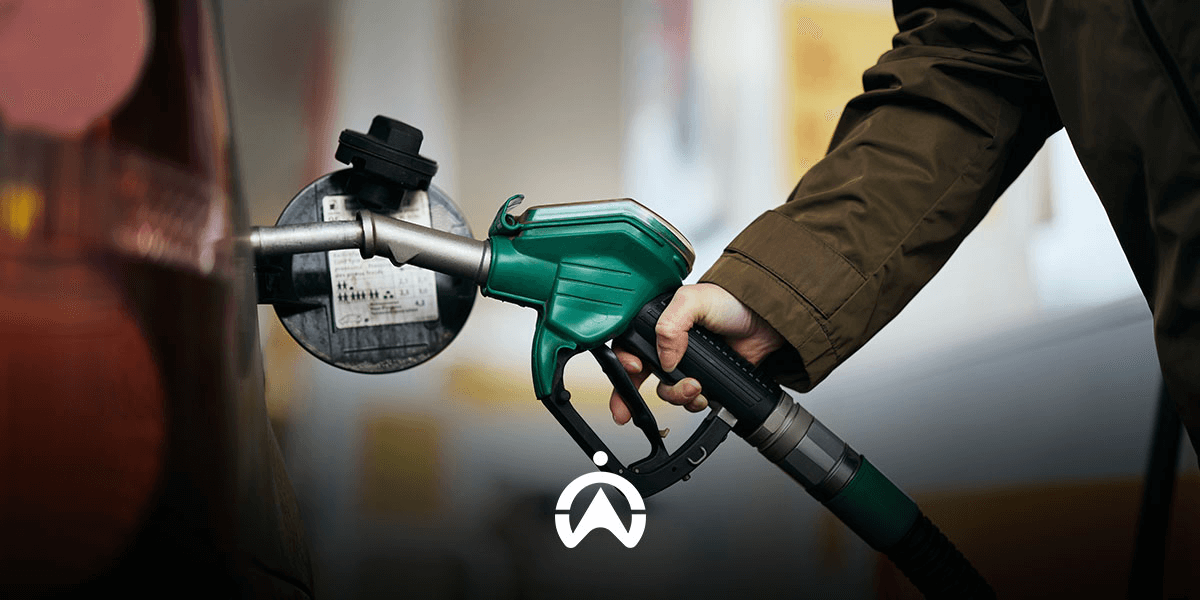
Why do we need to worry about dirty diesel?
Dirty diesel, more commonly referred to as fuel contamination, refers to impurities in fuel that reduce its quality and grade. These impurities can be caused by various contaminants, such as water and microbial degradation (bacteria and fungi), that occur during fuel storage and handling.
Below is a more detailed explanation of fuel contamination.
Types of fuel contamination
Since there is more than one type of fuel contamination, it's a good idea to learn about them to keep the risk of contamination to your fleet to a minimum.
- Water contamination
Fuel is easily contaminated by water when stored in tanks through condensation, leaks in the storage unit, or poor handling during diesel fuel transfer. This results in microbial growth, rust, and the separation of water and oil in the fuel. A small amount of water in the fuel may seem harmless, especially if the water accidentally enters the fuel system, but water and oil are not supposed to mix. The water content in fuel must be below the saturation point, so any excess water entering a vehicle's fuel system can lead to bacterial growth, corrosion, and ultimately engine damage. - Fuel impurities
There are two types of fuel contamination: organic degradation and inorganic degradation. Organic degradation occurs when fuel is stored in the tank for too long, eventually reaching its expiration date. Gas stations and fuel suppliers often add stabilisers and other additives to prevent this type of contamination. Vehicle owners and fleet owners are advised to inspect their fuel tanks before using any additives. Inorganic contamination occurs during the fuel handling process, meaning the fuel may have been improperly handled as it moves from the tank, truck, or drum to the fleet's tank. During this process, the fuel may come into contact with sand, dirt, rust, and other debris, ultimately leading to fuel contamination. - Intentional diesel blending
Unscrupulous gas stations may also intentionally reduce the purity of their fuel by adding synthetic fuels like paraffin. These stations deceive customers by selling contaminated fuel. Besides the financial impact on individual and business owners, dirty diesel can also cause serious vehicle problems, which is why vehicle owners and fleet businesses should be concerned.
The sad reality about dirty fuel is that the buildup of debris and contaminated fuel in the system can have detrimental effects on the car and engine in the long run, ultimately affecting their lifespan.
But how can you detect whether your fleet is running on dirty fuel? Here are some signs to look for in your fleet:
-
Poor engine performance
-
Inefficient fuel consumption
-
Corrosion on the fuel tank
-
Difficulty in accelerating the vehicle or when climbing hills
-
Engine light flashing
-
Clogged fuel filter
-
The machine broke down
Alternatively, you might consider having your vehicle inspected for fuel contamination in its tank. You can no longer ignore or underestimate the quality of your fleet's fuel, as it could cost you money in the future.
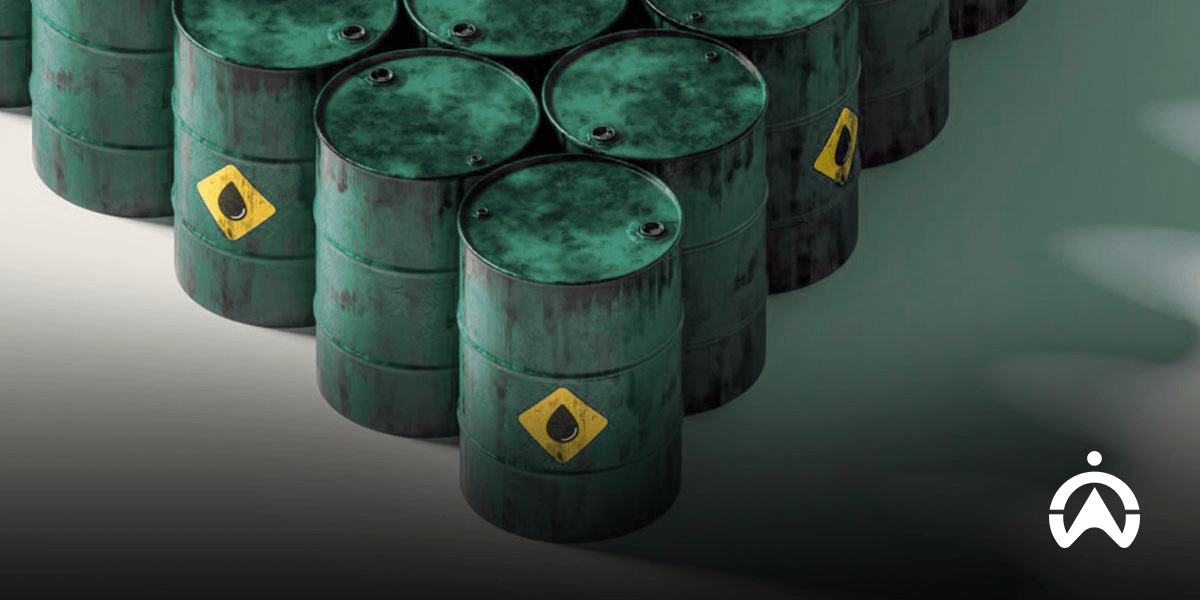
The negative impact of dirty fuel on the fleet
Businesses that routinely transport goods or operate fuel-dependent machinery will be disadvantaged by dirty fuel, as it can damage their vehicles and engines. Dirty fuel can cause:
- Serious engine damage
Debris and other contaminants in the fuel can cause significant damage to a vehicle's fuel injectors, pumps, and other engine components. - Higher maintenance costs
Assessing and addressing damage caused by dirty diesel, or even pumping fuel out of your vehicle, can result in higher maintenance or service costs. - Increasing fleet inefficiencies
Dirty diesel burns faster, causing increased fuel consumption, forcing the engine to work harder, and reducing the performance of your vehicle or engine.
Prevent and stop fuel contamination in the fleet
Whether your fleet has accidentally been filled with dirty fuel and you've fallen victim to a rogue gas station, or perhaps you've simply neglected fuel quality for your vehicles and equipment, there are just three proven ways to prevent and stop fuel contamination in your fleet.
Here are three of the best ways to prevent fleet fuel contamination:
- Schedule regular vehicle maintenance and inspections
Regular maintenance or servicing of vehicles and equipment helps ensure the fleet is ready for any trip, regardless of distance. Adhering to a service schedule is a smart way to ensure every component operates optimally. To prevent or address fuel contamination, fleet managers who suspect the presence of contaminated fuel in their fleet can request inspections of fuel filters and fuel pumps during the next maintenance or service appointment. To avoid the need for manual tracking of fleet service appointments, fleet managers can set up maintenance or service reminders in Cartrack Fleet Web and automate administrative processes. For instance, it is recommended to replace fuel filters every two years or every 50,000 km (depending on the vehicle type). By setting specific reminders for fuel filter replacement, you can ensure that your fleet's fuel filters are inspected and replaced on time. - Train fleet staff on fuel contamination issues
Naturally, drivers often know more about their vehicles and their performance than anyone else. They are behind the wheel daily, ensuring deliveries and tasks are completed on schedule. This means they can alert you to vehicle issues, allowing you to address them more quickly. By training drivers and other fleet staff on fuel contamination and the warning signs to look for, you can help prevent and stop contamination within your fleet. Even simple measures, such as routine checks of vehicle oil and filters, can make a significant difference. Cartrack’s GPS tracking and telematics solutions are invaluable when drivers are unsure why a vehicle is underperforming. Our telematics provide vehicle insights, notifying you of engine faults and battery health status, which enables you to resolve vehicle issues faster. - Monitor fleet fuel patterns
Last but not least, fuel consumption, expenses, and fleet patterns can reveal whether vehicles and engines are running on contaminated fuel. Fuel monitoring involves analysing real-time fleet fuel consumption, tracking fuel expenses and transactions, monitoring fuel tank levels, and identifying issues affecting the fleet's fuel supply. Leveraging various fuel data points helps fleet managers detect and address fuel-related problems, such as contamination. Fuel contamination is sometimes caused by drivers or staff seeking cheaper fuel to inflate reported costs and pocket the price difference. This type of fuel theft can be mitigated by integrating fuel cards that restrict refueling to authorised stations. Fuel cards also enable the tracking of purchases by location, cost, and volume, helping managers identify suspicious activity. Our fuel monitoring system features GPS trackers and fuel sensors and integrates with MiFleet Cartrack for expense management. It offers an all-in-one solution for addressing fuel issues and other fuel management challenges. By using our system, fleet managers can customise and automate fuel consumption reports within Cartrack FleetWeb to suit their needs and effectively manage fuel-related issues.Alternatively, if you notice that one or more vehicles or engines seem to be running out of fuel more quickly or breaking down more frequently, then you can investigate fuel consumption or fuel fraud in the fleet.
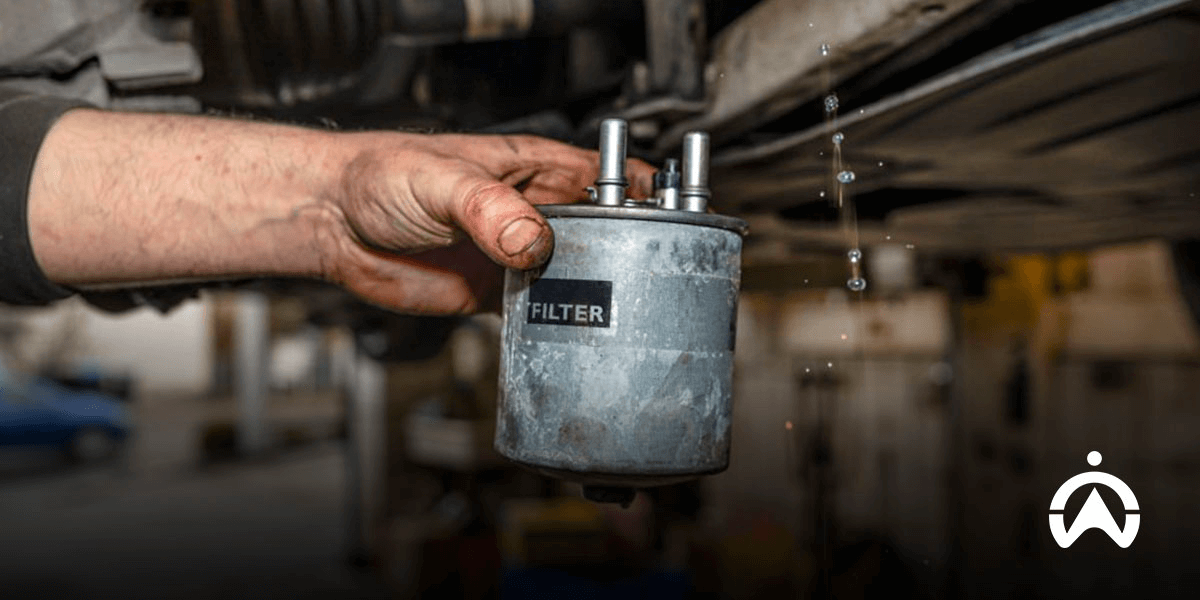
Fuel contamination: Busting common myths
News reports about fuel contamination don't lie, but some of the misconceptions we have about fuel quality can slow down fleets, resulting in vehicle and equipment downtime and expensive maintenance costs.
Let's bust some common myths about fuel contamination.
Myth #1: There is no way to test fleet fuel
Fleet managers can arrange for various fuel testing and sample checks with their fuel suppliers or request them for their vehicles. Fuel testing is the only accurate way to determine if a vehicle is carrying dirty diesel. A mechanical inspection, the condition of the fuel tank, and the appearance of the fuel can all indicate contaminated fuel.
Myth #2: Engines last longer, so incorrect fueling is okay.
An engine can't run properly without the right fuel, and sometimes, it won't run at all if you use the wrong fuel. While engines are durable, incorrect fueling can damage your vehicle and cost you money.
Myth #3: Using dirty fuel helps save fuel
Fuel savings shouldn't come at the expense of fleet vehicles; dirty diesel damages vehicles and reduces their lifespan. With Cartrack's fuel monitoring solution, we can reduce overall fleet fuel costs and implement strategies to improve fleet fuel efficiency.
Protect your fleet from contamination with Cartrack's fuel monitoring solutions
Fuel contamination can damage your fleet, causing costly repairs and unnecessary downtime. Protect dirty fuel vehicles and keep your fleet running smoothly.
Contact Cartrack today for a free demo! Click the link below!