EN
EN  ID
ID 


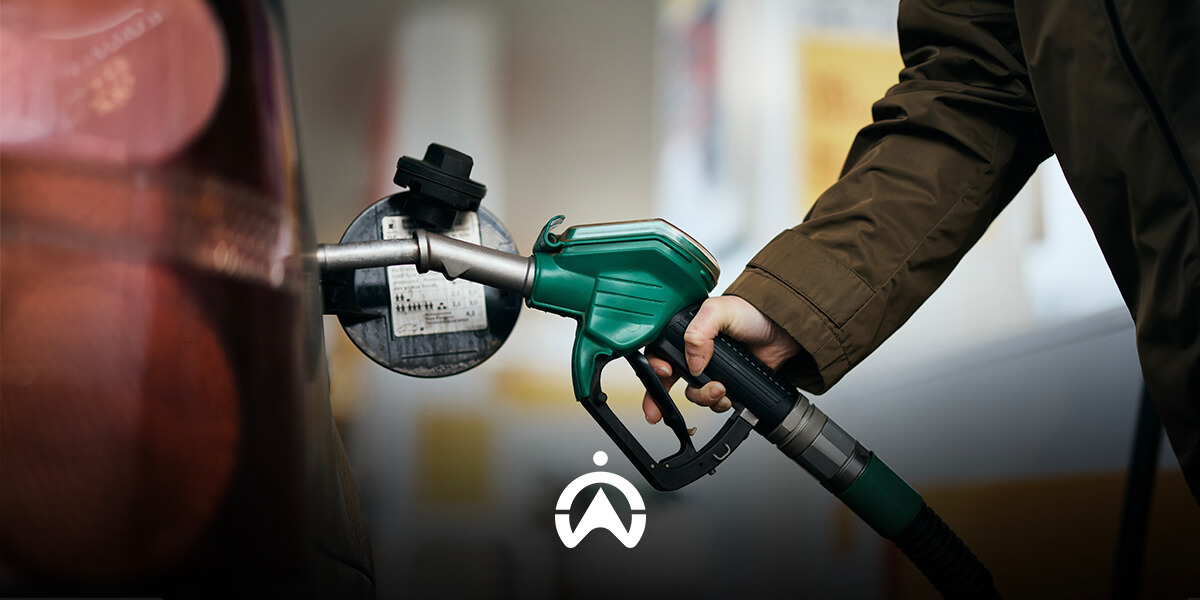
In general, excessive fuel consumption can lead to wasteful operating expenses if not managed properly. So, how can we reduce business vehicle fuel consumption?
Understanding fuel consumption
Fuel consumption is a measure of a vehicle's fuel consumption. It measures the distance traveled and the number of liters of fuel used.
What influences fuel consumption?
1. Engine size
As we know, the larger the engine, the more fuel it requires. Why? This is because larger engines burn more fuel than smaller engines.
2. Tire air pressure
There's always friction between the tire and the road surface. The more uneven the road, the greater the friction, which is known as rolling resistance. Tires with low air pressure create more rolling resistance, requiring more energy and fuel consumption.
3. Vehicle service
Vehicles that are regularly serviced tend to consume less fuel. When a vehicle is serviced, the technician will check several vital components and how they affect fuel consumption. Here's an explanation:
- Air filter: The air filter prevents small particles like dust from entering and damaging the engine. A clogged air filter can restrict air circulation, causing the engine to work harder, thus consuming more fuel.
- Fuel injection: The fuel system also requires regular maintenance to ensure it continues to deliver fuel to the engine efficiently. However, fuel injectors can sometimes become clogged, requiring cleaning or replacement to ensure they can easily deliver fuel to the engine as usual.
4. Vehicle weight
Lightweight vehicles require less engine power, while heavyweight vehicles require more. Therefore, larger vehicles burn more fuel and convert that fuel into energy.
5. Engine oil quality
Engine oil helps minimise friction, protect engine components, and regulate engine temperature. Drivers need to be careful.
Driving Habits That Increase Fuel Consumption and How to Overcome Them
Have you ever felt like your gas tank is running out quickly even though you're on a short trip? It could be that your driving habits are causing your fuel consumption to be wasteful. Let's check out these points:
-
Speeding: The faster you drive, the more fuel you burn. High speeds increase wind resistance, forcing the engine to work harder.
-
Engine Running While Idling: Idling is when the engine is running but the car isn't moving, for example when stuck in traffic or waiting for passengers. Idling, if left unchecked, can waste fuel.
-
Speeding: Increasing the RPM without reason or speeding will make the engine have to inject fuel more often.
-
Sudden Acceleration: Immediately accelerating when the vehicle starts moving will waste more fuel than increasing speed slowly.
-
Inefficient Routes: Choosing the wrong route or frequently stopping in the middle of the journey can also increase fuel consumption.
Fuel-Saving Solutions with Cartrack Technology
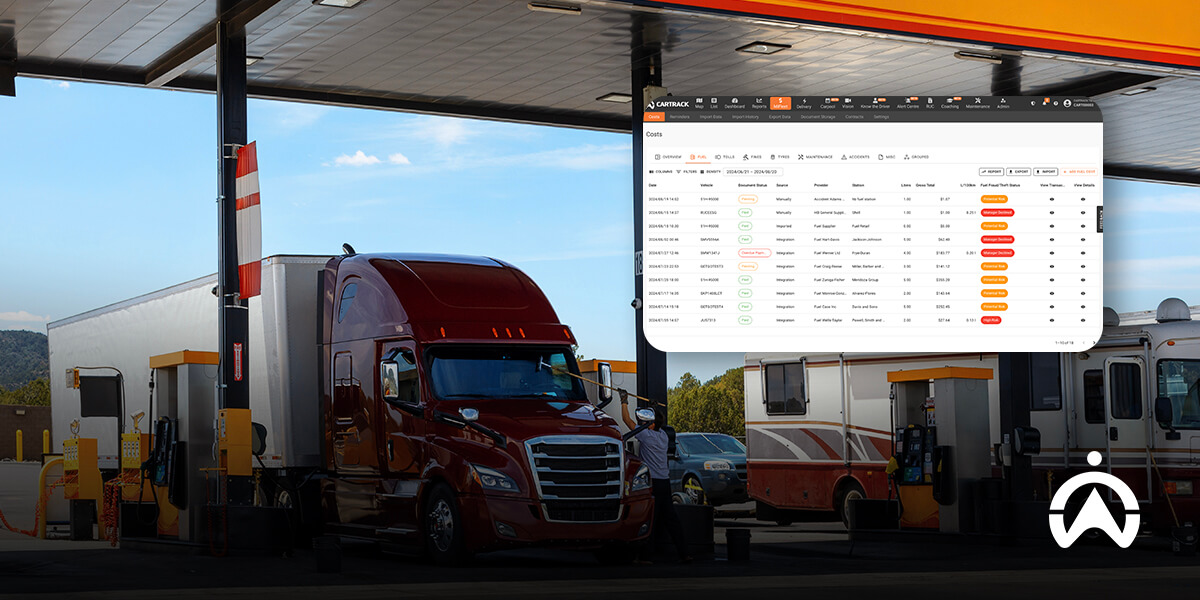
Cartrack has technology that can help you save fuel and manage your fleet more efficiently:
-
Fuel Monitoring Tools: Monitor fuel consumption in real-time, check for potential leaks, and ensure your vehicle is fuel efficient with Cartrack's Fuel Monitoring Tools.
-
Fuel Sensors: Use a fuel sensor from Cartrack to monitor petrol levels directly from the tank.
-
Smart Camera: Cartrack's AI-powered smart cameras help prevent bad habits like using your phone or smoking while driving, which can lead to accidents.
-
Preventative Maintenance: Schedule routine servicing with Cartrack's features. Get real-time notifications about your vehicle's condition and automatic service schedules.
With Cartrack technology, you can save fuel, reduce operational costs, and maintain optimal vehicle performance. Click the following link to find out more about Cartrack products!