EN
EN  ID
ID 


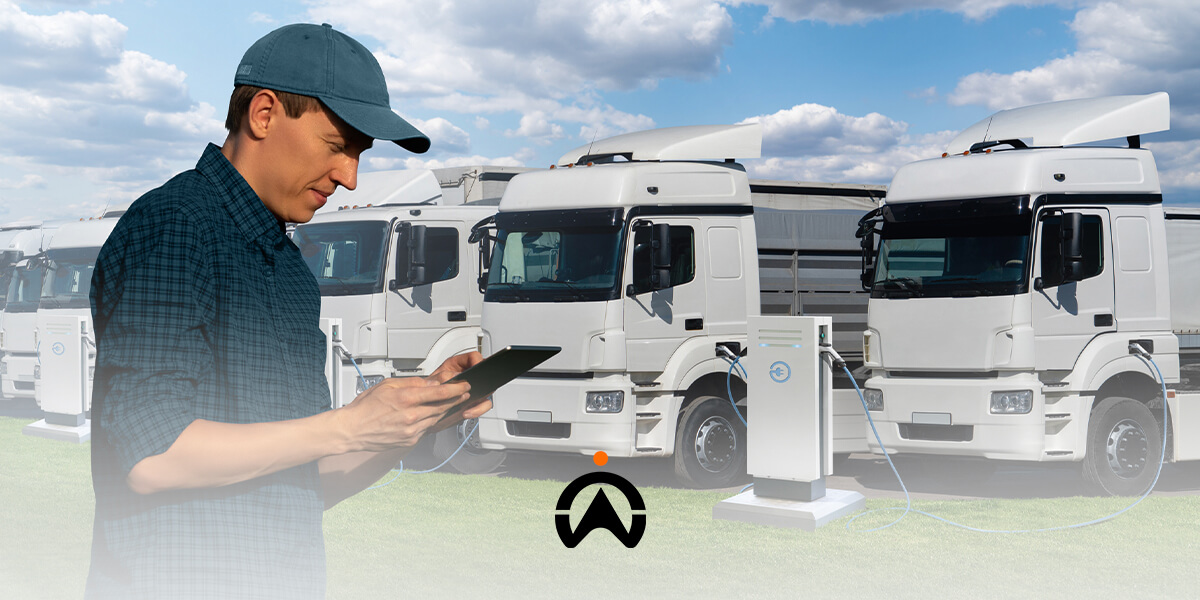
Having a fleet or vehicles that do not require fuel is a dream. Although interest in them is increasing, a 2019 study by Kia Motors found that 80% of people are reluctant to switch to electric vehicles due to range anxiety — the fear that an electric vehicle does not have enough power to reach its destination during a journey.
Although electric vehicles have developed rapidly, it is understandable that range anxiety still exists. However, there is no need to worry, as there are several steps that can be taken to address range anxiety in electric vehicles.
How do electric vehicles work?
In simple terms, an electric vehicle’s battery powers an electric motor, which drives the wheels so the car can move. When the battery runs out, it needs to be recharged by connecting the vehicle to a power outlet or a charging station.
Main challenges of electric vehicles
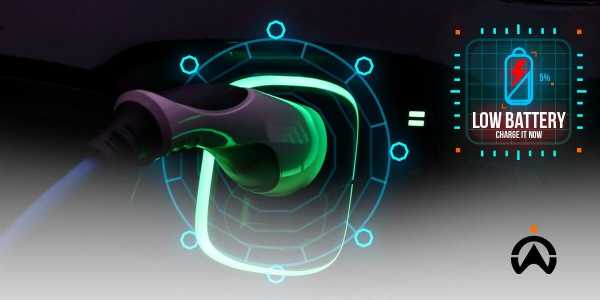
Although electric vehicles offer many advantages, fleet managers are often concerned about whether electric vehicles can complete journeys without running out of power during the trip. This range anxiety appears to be the main reason why most people have not fully switched to electric vehicles, along with concerns that the initial transition may be too expensive for some businesses.
In general, electric vehicles must be charged before they can be used for daily tasks, and drivers often find that they cannot exceed 112 km on a fully charged battery, raising the question, “How often does a fleet need to stop to recharge?” The inconsistent driving range per full battery further adds to concerns.
Factors that affect electric vehicle range
The main factor behind range anxiety is the lack of charging infrastructure. In addition to the lack of available resources, other factors that affect electric vehicle range depend on the following three main categories:
1. Driving behaviour:
Just as with gas-powered vehicles, poor driving habits can reduce fuel efficiency, the same can happen with electric vehicles. High speeds, sudden braking, and rapid acceleration all consume additional energy, resulting in shorter range and increased vehicle wear and tear.
2. Weather and vehicle temperature:
Temperature is one of the most common causes of limited driving range. Lithium-ion batteries perform less efficiently in low temperatures, but electric vehicles equipped with battery thermal management systems can maintain the battery at an optimal temperature. In addition, most reductions in driving range are also caused by energy used for the vehicle’s air conditioning or heating systems.
3. Age:
Like smartphone batteries, all rechargeable batteries eventually lose their ability to store their full energy capacity. This decline in performance is known as battery degradation. For electric vehicles, this means that driving range will also decrease as the battery degrades over time.

How to reduce range anxiety?
1. Provide driver training:
Drivers are key to achieving the best range from electric vehicles. Improving driver behaviour through training in efficient driving practices, such as avoiding idling, maintaining a steady speed, and avoiding sudden acceleration or braking, can reduce vehicle energy waste and range anxiety.
2. Trip route planning:
We must ensure that charging schedules are in place so that electric vehicles are ready for use when starting each job. Although there are fast charging stations that can charge electric vehicles in around 30 minutes, understanding the locations of charging stations along the route and planning charging times will greatly help reduce range anxiety.
3. Maintain vehicle condition:
Regular vehicle maintenance is a comprehensive preventive measure to keep operating costs low. For example, maintaining proper tyre pressure in electric vehicles helps achieve maximum range from each charge.
Did you know? Under-inflated tyres in electric vehicles can significantly reduce driving range. Every one pound per square inch (PSI) drop in tyre pressure results in a 0.4% reduction in range. Therefore, to maximise electric vehicle range, it is important to know the recommended PSI for tyres and check them regularly. Tyre pressure can fluctuate by about one PSI for every 10 degrees Fahrenheit change. As a result, tyre pressure inspections should be scheduled every season change.
4. Monitor electric vehicle battery levels using real-time data:
It is important for us to monitor electric vehicle battery levels to prevent vehicles from running out of energy. By monitoring EV energy usage, we can reduce range anxiety. In addition, monitoring EV battery levels, combined with the route optimisation feature from Cartrack Indonesia, can help us quickly direct drivers to the nearest charging station.
5. Use Fleet Management Systems:
Fleet Management Systems can provide real-time data on vehicle performance, battery life, maintenance costs, and more. Companies offering fleet management solutions, such as Cartrack, can help businesses understand vehicle insights and optimise vehicle usage. The battery management solution from Cartrack Indonesia provides real-time monitoring of battery charge levels and temperature, enabling battery life optimisation and preventing unexpected disruptions.
The fleet management platform and mobile application from Cartrack Indonesia offer predictive analytics, using historical data and machine learning algorithms to predict when battery maintenance or replacement will be required, reducing maintenance costs and ensuring a longer vehicle lifespan.
Cartrack Indonesia addresses range anxiety by providing reports for each trip. These reports display charging speed and show energy consumption per journey. The information in these reports is useful for staying up to date with the status of electric vehicles at all times.
With Cartrack, users will have access to all the features needed to manage electric vehicles efficiently and cost-effectively. Fleet management system solutions are tailored to the specific needs of each vehicle.
Get an effective fleet management solution for your electric vehicle. Be among the first to make the most of electric vehicles with Cartrack’s Fleet Management System.
Visit Cartrack Indonesia for more information.