EN
EN  ID
ID 


What is the vehicle downtime?
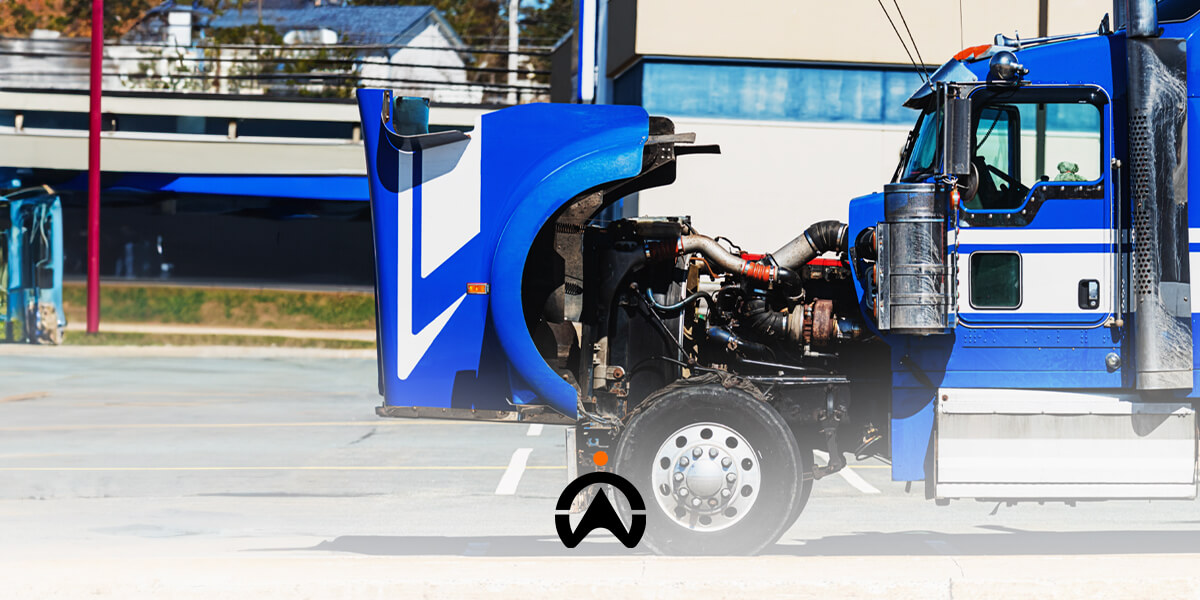
Vehicle downtime is one of the most vexing issues for fleet managers. Vehicle downtime refers to periods when business vehicles are unavailable for use for various reasons. While planned downtime is when vehicle unavailability is scheduled according to the company's wishes, unplanned downtime is a lapse in operations that occurs beyond the fleet manager's control. During these periods of downtime, fleet vehicles are unable to fulfill their duties.
What causes the vehicle to be out of service?
Vehicle downtime can be triggered by several reasons, here are some of them:
-
Accident or collision: Vehicles involved in accidents may require significant repairs, ultimately resulting in unplanned downtime.
-
Fuel problems: Suddenly running out of fuel or experiencing problems with a vehicle's fuel system can cause delays, especially in the delivery service industry.
-
Lack of maintenance: Vehicle parts wear out and break down, causing the vehicle to malfunction. Not following a regular maintenance schedule can lead to unexpected damage or failure that could have been prevented with proper maintenance.
-
Incidents caused by drivers: Problems caused by driver error, such as driving without concentration, negligence, and improper handling can lead to unexpected vehicle incidents and lead to further downtime.
-
Road conditions: Potholes, potholes, and debris can cause damage to the vehicle's undercarriage, suspension, and tires, resulting in unplanned downtime.
The impact of downtime on fleet management
Downtime impacts fleets in a number of ways, including:
-
Decrease in productivity: Because vehicles are idle, downtime leads to decreased fleet productivity. This can mean missed deliveries or service appointments, leaving many aspects of the business behind schedule. These operational delays impact customer satisfaction, negatively impacting the business's reputation, and even lead to a loss of revenue.
-
Excessive use of other vehicles: When a vehicle is idle, fleets may choose to use other vehicles more to make up for lost time. While this may seem like an ideal quick fix, it can cause more damage, as using assets beyond their scheduled time can put stress on their health and longevity.
-
Loss of income: Vehicle downtime significantly impacts business operations. Failure to deliver goods or services on time can result in lost revenue and missed opportunities. Delays also lead to dissatisfied customers, who ultimately take their business elsewhere. Lost revenue can lead to drivers not being properly paid, negatively impacting morale and driver retention.
-
Increased costs: Vehicle repairs and managing unexpected downtime can significantly increase fleet operating costs. Unexpected breakdowns are often not budgeted for, so fleet managers may need to utilise other parts of the business's finances to ensure repairs are promptly addressed.
What are the benefits of reducing vehicle downtime?
Reducing vehicle downtime is beneficial for a number of reasons, including:
-
Increase productivity: Reducing vehicle downtime allows for more efficient use of time, allowing vehicles to remain operational and contributing to higher levels of productivity.
-
Improve customer satisfaction: Reducing vehicle downtime results in more reliable service and on-time deliveries, thereby increasing customer satisfaction and loyalty.
-
Save costs: Reducing vehicle downtime means fewer maintenance costs, leading to lower repair costs and fewer emergency repairs. This ultimately saves fleets money.
-
Improve security: Reducing vehicle downtime contributes to safer vehicles and reduces the likelihood of accidents due to equipment failure and mechanical problems.
-
Helps in better planning and scheduling: Reducing vehicle downtime allows for more accurate route and service planning and scheduling because there are no unexpected delays. This results in smoother operations and increased efficiency.
-
Optimising asset utilisation: Vehicles that spend less time out of service are used more effectively, increasing the overall efficiency and profitability of the fleet.
-
Improving driver satisfaction: Frequent vehicle breakdowns and delays negatively impact driver performance and morale. Reducing vehicle downtime improves driver morale and performance because they can complete tasks with minimal delays.
How to reduce vehicle downtime?
There are various solutions fleet managers can implement to significantly reduce unplanned vehicle downtime. Here are some ways to do this:
-
Monitoring driver behaviour: Vehicle downtime can be caused by distracted or dangerous driver behaviour. Safe driving practices, such as gentle acceleration and braking and avoiding sharp turns, reduce wear and tear on vehicle performance. When drivers adhere to these practices, stress on critical components like brakes, tires, and engines is reduced. Monitoring driver behaviour ensures fleet managers are aware of these behaviours and can implement training to ensure drivers adhere to best driver practices at all times. The result is longer vehicle life, better fuel efficiency, and a reduced accident rate.
-
Monitoring fuel consumption: Monitoring a fleet's fuel consumption helps identify abnormalities or sudden increases in fuel usage. Sudden increases in fuel consumption can indicate underlying vehicle problems, such as engine failure, tire pressure issues, fuel system problems, or fuel theft. Addressing these issues quickly is crucial, as it helps prevent potential vehicle damage and failure that could lead to downtime. Proactive fuel consumption monitoring not only reduces the risk of serious mechanical problems but also significantly contributes to keeping the fleet operational and minimising service disruptions.
-
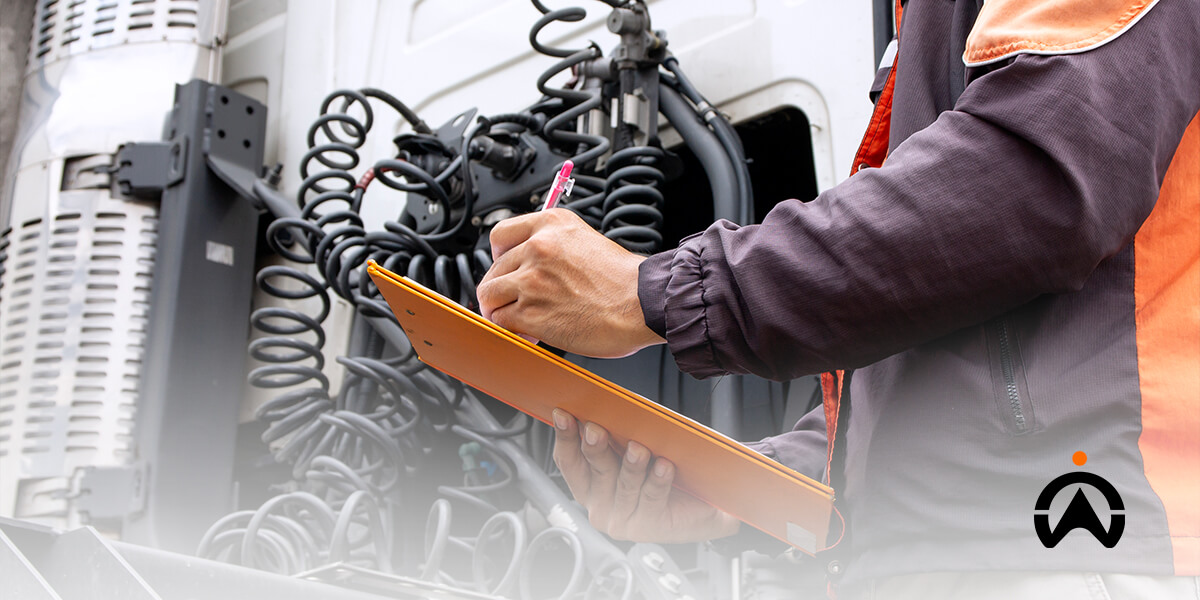
Prioritising Fleet Maintenance Scheduling: As one of the main causes of vehicle downtime, vehicle maintenance is critical. Fleet management refers to a proactive approach adopted by fleets to maintain and optimise the safety and longevity of their vehicles. Regular and proactive maintenance is essential to prevent unexpected breakdowns and reduce downtime.
An example of this is oil changes, a routine procedure that may seem simple but is essential for engine health and performance. Regularly scheduled oil changes prevent engine wear and potential damage, ensuring smooth operation. By using a structured set of planned actions, inspections, and maintenance procedures, routine fleet maintenance significantly reduces the likelihood of vehicle downtime.
Of all these factors, maintenance is perhaps the most important, as it is one of the leading causes of vehicle downtime. With this knowledge, many fleets choose to incorporate fleet maintenance plans into their operations to help mitigate the risks associated with poorly maintained vehicles.
What is a fleet maintenance plan?
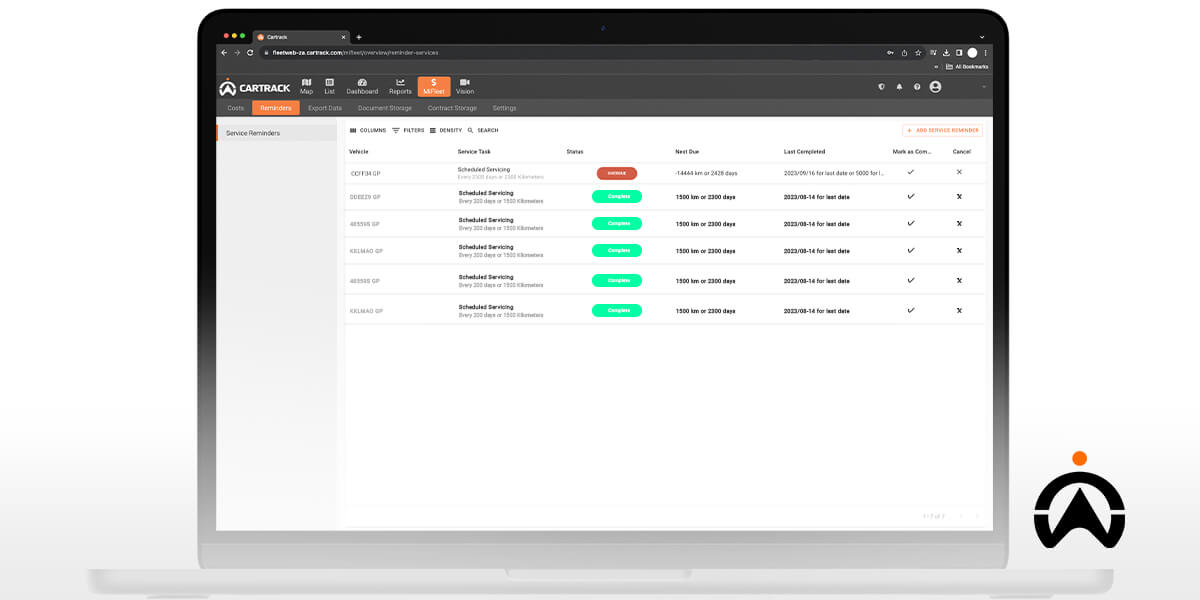
Fleet maintenance planning is a comprehensive and structured strategy for managing the maintenance and repair of a vehicle fleet, designed to keep all vehicles and related equipment in safe, reliable, and operational condition. This plan includes a number of scheduled tasks intended to ensure operational readiness, safety, and the longevity of the entire fleet. It typically involves the use of fleet management software to help manage vehicle service reminders, create customised schedules (based on individual fleet vehicles), and track vehicle performance.
What are the risks of not having a fleet maintenance plan?
Not having a fleet maintenance plan can result in several risks and implications for businesses that rely on vehicles. These include:
High repair costs: Neglecting routine vehicle maintenance often leads to overlooking minor issues that can escalate into larger, more expensive problems. An example of this is a fleet that fails to perform regular inspections on its vehicle's cooling system. Initially, this negligence may seem trivial, but over time, it can lead to overheating, which can damage engine components. This results in higher repair costs due to neglected maintenance, as minor issues left unaddressed tend to escalate, requiring extensive repairs. Worse yet, if these issues are not promptly addressed, the vehicle's downtime increases.
Reduced vehicle age: Neglecting routine inspections and timely replacement of worn parts like belts and hoses can lead to premature failure, increasing stress on the vehicle's engine and transmission. This stress reduces the overall lifespan of the vehicle, leading to the need for premature replacement—an unnecessary expense that could have been avoided if a timely fleet maintenance plan had been implemented.
Security risks: Inadequate maintenance can jeopardise the safety of both vehicles and drivers. Ignored issues such as brake problems (which affect stopping power during critical moments), tire wear (which increases the risk of punctures and blowouts), or engine dysfunction (which compromises vehicle control) can pose significant safety risks to drivers. This can potentially lead to costly and potentially fatal accidents that could have been avoided with proper maintenance. A proactive approach not only protects the well-being of drivers but also the safety of all road users.
Lack of data-driven insights: Without a maintenance plan, fleets lose valuable data and insights into their vehicle performance metrics, usage patterns, and potential issues. This data provides a comprehensive view of fleet health, helping fleet managers make informed decisions about predictive maintenance, cost analysis, and strategic decision-making to optimise fleet operations. Detailed records of maintenance costs per vehicle can also help fleet managers assess the financial implications of various maintenance strategies, aiding in the development of cost-effective plans.
Cartrack Indonesia fleet maintenance software
Keep your vehicles in optimal condition with Cartrack Indonesia's fleet maintenance software. By sending real-time alerts to fleet managers whenever a mechanical issue occurs, our software quickly identifies vehicle components that require immediate repair or replacement. Integrate maintenance schedules with your fleet operations to ensure a seamless workflow. If an unexpected fault is detected, fleet managers can immediately notify drivers and take the necessary action.
Driver behaviour monitoring
Manage and improve driver behaviour with the driver behaviour monitoring system from Cartrack Indonesia. Use our driver scorecard to gain detailed insights into individual driver behaviour that needs improvement and eliminate driving habits that damage vehicles (including speeding, harsh acceleration, and idling). Use our Advanced Driver Assistance System (ADAS) to increase driver awareness of their surroundings. With real-time alerts, drivers can quickly correct their behaviour and prevent collisions. Finally, gain 24/7 visual access to vehicles with our AI Vision Camera. When the in-cabin camera detects distracted driving behaviour (such as yawning, smoking, and mobile phone use), drivers are alerted in real time through audible in-cabin warnings, helping them correct their actions instantly and prevent accidents that could lead to vehicle downtime.
Route planning and optimisation
Available on our Delivery app, route optimisation helps determine the safest and fastest routes for drivers. By using GPS tracking and real-time location, the app notifies of delays and route deviations in real time, helping make quick and informed rerouting decisions. This way, drivers can avoid idling when stuck in traffic. Idling is known to reduce fuel efficiency, strain engine components and cause premature wear. Using route optimisation, fleet managers can avoid the effects of idling.
Fuel monitoring
By using Cartrack Indonesia’s fleet cost management system, fleet managers gain access to our fuel monitoring system. This system provides automated real-time tracking and data collection on fuel consumption, mileage, and engine operating hours. A sudden spike in fleet fuel consumption may indicate mechanical issues with the vehicle, such as clogged fuel injectors, engine problems, or blocked air filters. Fuel monitoring helps determine whether a vehicle requires maintenance, and taking early preventive action helps reduce the likelihood of vehicle downtime.
Learn more about Cartrack Indonesia’s products by clicking this link!