EN
EN  ID
ID 


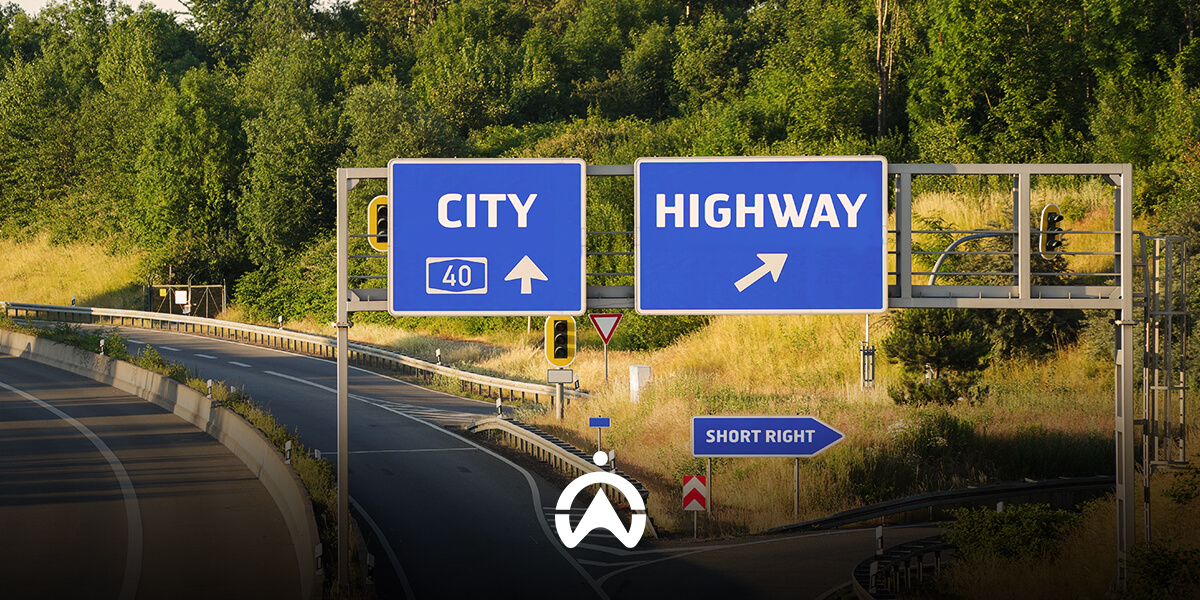
As a driver of four-wheeled or larger vehicles, one important consideration when traveling is choosing the right route. Many drivers believe that using toll roads can help save more fuel. However, is fuel consumption really more efficient when driving on toll roads? Let’s explore the answer together!
Differences Between Toll Road and Non-Toll Road Travel
In order to save on fuel costs and operational costs, we certainly need to consider more deeply which route we should use!
1. Travel via toll road
Theoretically, the longer the distance travelled, the more fuel-efficient the vehicle's fuel consumption. Therefore, some drivers choose to use toll roads rather than non-toll roads.
Besides shorter distances, the smooth, straight, and unobstructed conditions of toll roads allow cars to travel more smoothly, thus reducing fuel consumption. This is another reason why drivers prefer to pay for toll road access.
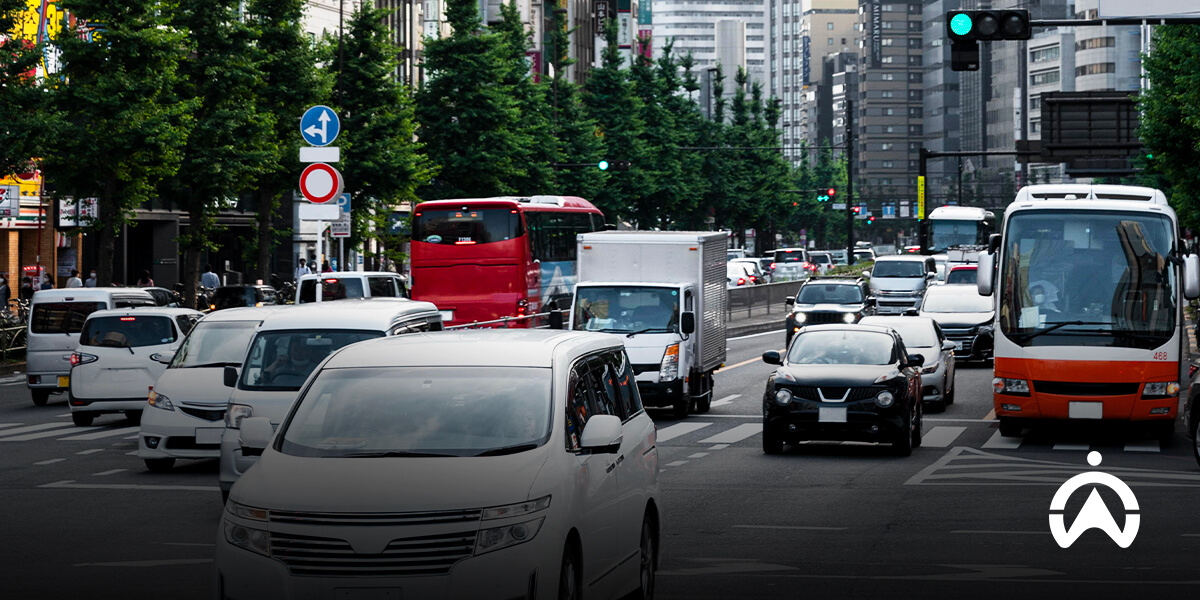
However, some toll roads are often congested due to the dominance of four-wheeled vehicles and larger. This congestion ultimately leads to wasted fuel consumption.
2. Non-toll road travel
Although traveling via toll roads has become the primary choice for drivers, some still choose to use non-toll roads for their daily commute. Drivers choose non-toll roads because they want to avoid relatively expensive toll fees. These fees can increase daily operating costs and lead to waste.
Both routes mentioned above have their own advantages and disadvantages. However, if drivers fail to apply proper driving methods or persist with bad driving habits, fuel consumption will ultimately be wasteful, whether on toll roads or non-toll roads.
Tips for Saving Fuel Consumption When Using Toll or Non-Toll Roads
In the end, every driver uses different routes, but those routes may not always support fuel cost savings. Here are some fuel-saving tips that you can apply on both toll and non-toll roads:
1. Maintain speed and increase speed when needed
Maintaining speed on toll roads is easy, but not so easy on non-toll roads. When drivers use non-toll roads, heavy traffic requires them to continuously increase and decrease speed in short bursts. In fact, vehicles use more fuel when decelerating and accelerating from a stop to a moving state. Therefore, it is recommended to maintain speed for 5 seconds after starting a journey to save fuel.
2. Speeding burns fuel faster
Speeding while driving naturally requires more fuel. Therefore, drivers should maintain a normal speed to minimise fuel consumption. An optimal speed of 50 km/h to 80 km/h is recommended.
3. Reduce idling
When the road is busy or congested at certain hours, your vehicle will definitely experience idling (the engine is on but the vehicle is not moving. If the vehicle does not move for more than 60 seconds, drivers are advised to turn off the engine to avoid idling or idle. If the engine is not turned off, in 10 minutes, approximately 3 litres of vehicle fuel will be wasted.
4. Use safe driving techniques
Driving style can affect how much fuel a vehicle uses. Unsafe driving practices such as speeding, harsh acceleration, sudden braking, and sharp turns can increase fuel consumption. Furthermore, these driving behaviours can also cause engine damage, resulting in unplanned repairs.
5. Pay attention to routine vehicle maintenance
The healthier a vehicle is, the more fuel-efficient it is. By following a vehicle maintenance schedule, you can ensure its performance. Believe it or not, tire pressure also affects fuel consumption. Ensure tire pressure meets the manufacturer's specifications to minimise fuel consumption.
How Cartrack Can Help Minimise Fuel Consumption
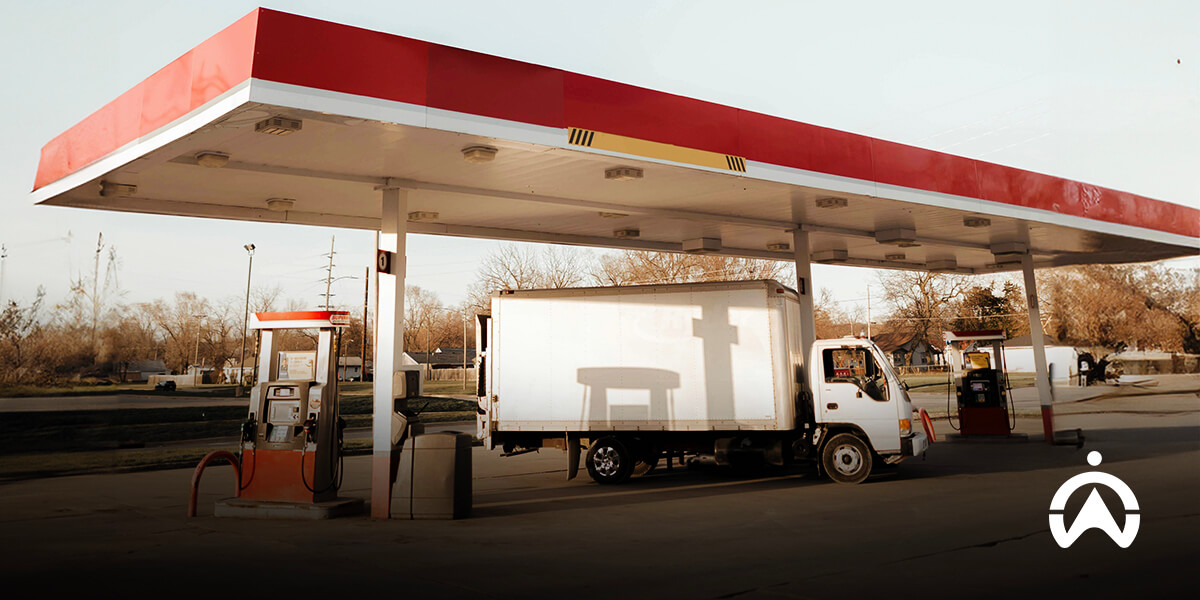
Cartrack is a leading fleet management system with various features designed to optimise fuel consumption. Cartrack has more than 2,100,000 active customers worldwide. Here’s how Cartrack’s features can help improve your vehicle’s fuel efficiency:
1. Monitor fuel usage
With CANBUS sensors and fuel sensors, fleet managers can monitor the fuel consumption of their business vehicles using real-time fuel data and accurate fuel level information.
2. Route optimisation
Use Cartrack's Delivery System for the best navigation while on the road. The Delivery System can optimise job management by providing shorter, faster routes and avoiding traffic jams, allowing for less fuel consumption to complete the job.
3. Driver training with Driver Scorecards
Teach efficient driving by monitoring driver behaviour through driver scorecards and reports. Accessing these features allows you to identify dangerous driver behaviours such as speeding, sharp turns, and idling.
Those were the features and sensors that can help you reduce fuel consumption. Did you know? With the features above, you can save 5–15% on vehicle fuel consumption. Contact Cartrack now to get a free live demo of these features! Click this link!