EN
EN  ID
ID 


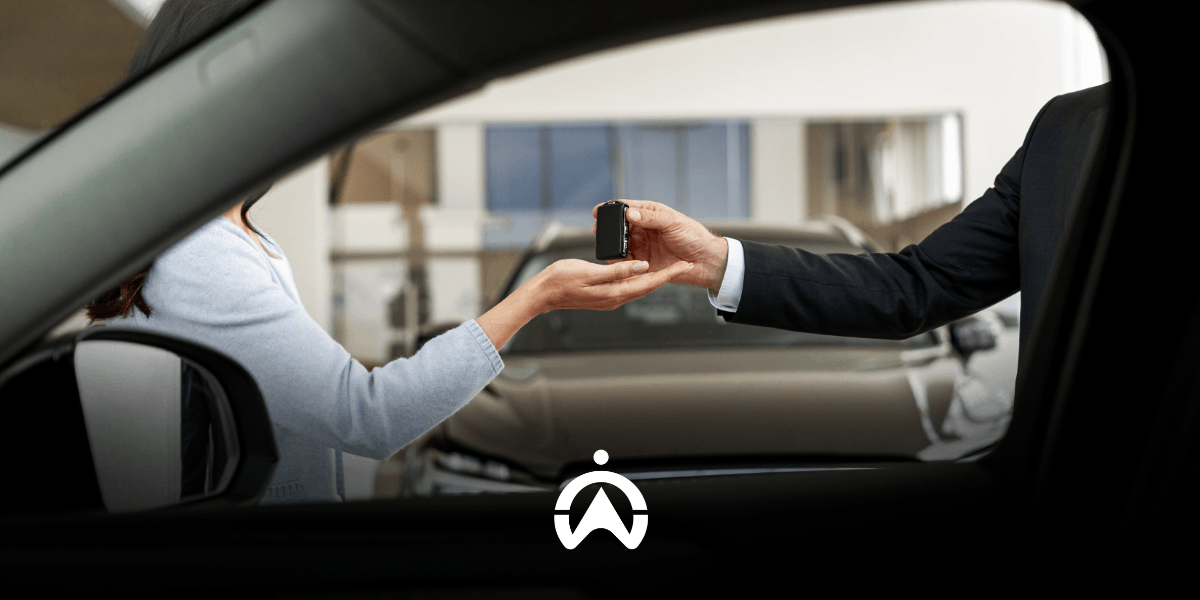
Have you been thinking about buying a car lately? Before you start test-driving and negotiating at the dealership, prepare yourself with various knowledge about preparing for a new car purchase. Here are some things to consider before buying a new car, including:
Worst Car Buying Mistakes
Avoiding common car buying mistakes is crucial for a smooth purchasing experience. To avoid getting lost in a maze of bad decisions, here are the top 5 mistakes to avoid in the car buying process:
- Focused only on monthly payments: When considering a budget for a new car, don't just focus on the monthly payments. Discussing the overall vehicle price and financing terms separately is key to avoiding higher overall costs.
- Letting emotions into decision-making: Falling in love with a particular car can lead to overspending. It's important to remain practical, do your research, compare models, and ask yourself if the vehicle meets your needs and affordability.
- Skipping the test drive: Don't judge a vehicle solely by its design. Get in the driver's seat and see what else the vehicle has to offer. A test drive is crucial to ensure the vehicle meets your expectations and to prevent any surprises after purchase.
- Checking used cars: When buying a used car, don't always take the dealer's word for it. Get a trusted mechanic to inspect the vehicle thoroughly. This is crucial for detecting potential problems and avoiding unexpected costs.
- Research shortcomings: Not visiting and comparing other dealers or not having enough knowledge about your own car's condition, such as pricing and financing options, can lead to over-payments and making uninformed decisions.
Now that you know what not to do when buying a car, let's backtrack to the basics of car buying and teach you everything you need to do to keep your new car from rolling off the lot and into the garage.
How to Buy Without Losing Money
Buying a car is a serious decision, with some people spending months considering makes, models, years, fuel consumption, and more. Before deciding to buy a car, consider the following questions:
What are your needs?
Buying a car should involve careful consideration of various factors such as financial planning, lifestyle preferences, and car features to ensure the choice aligns with priorities.
- Financial planning: Choose a car you can comfortably afford, including insurance, fuel, and maintenance. Set a budget that fits your individual needs.
- Lifestyle and needs: Do you drive in the city or frequently travel out of town? Consider what kind of vehicle you need for your daily life, depending on your activities, and how big it should be, depending on the size of your family.
- Car features: First, focus on the essentials, like car safety. Then, consider extras like advanced technology or comfort. Typically, the more comfort you want, the more expensive it will be. But if you want an affordable car, buying a used vehicle is a good option.
What Is the First Step in Purchasing a Vehicle?
Here are the steps to buying a vehicle so that the process can run smoothly:
- Do your research: Research trusted car brands online, learn as much as you can about different types of vehicles, and ask your peers for their opinions.
- Explore: After reading articles and brand pages, visit car dealerships, check online listings, and don't forget to consider used cars. If you've made your decision on a particular car, schedule a test drive and get a feel for it.
- Get a quote: Once you've found the right one, get car quotes from various dealers and online car sales platforms to compare prices and financing options.
Pay Attention to the Small Details of the Document
When it comes to document collection, you need to understand the fine details. Pay attention to the following:
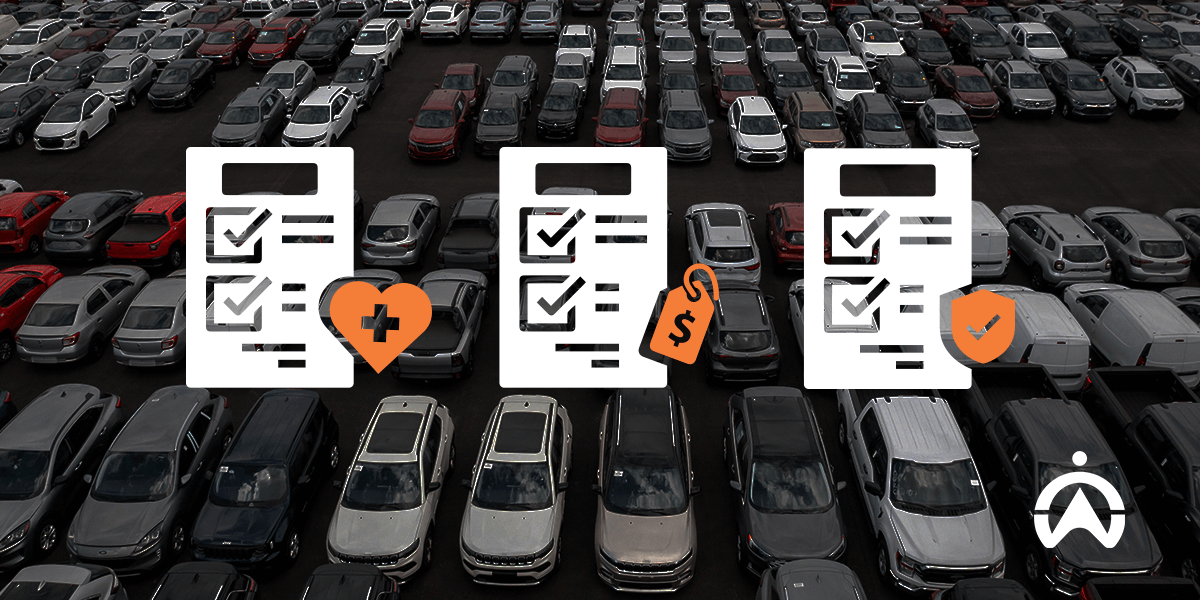
- Insurance: Once a car is on the road, its value decreases, and problems like windshield damage or theft can occur. Having insurance is crucial for protection. Choose coverage that suits your needs and budget.
- Care package: Consider a maintenance plan that suits your car's needs and usage. Invest in an extended warranty or maintenance package to improve vehicle safety, extend its lifespan, and reduce future repair costs.
How Do You Know Which Used Car You Should Buy?
It is important to remember that these vehicles are not new so there are several steps to consider to ensure the car you choose does not have any hidden scratches.
- Maintenance notes: Check for a history of regular inspections from a reputable repair shop. This inspection history can tell you if the car has been well-maintained. If you can't find these records, or if they're inconsistent, it could mean the car hasn't been properly maintained or has hidden issues that could cost you money in the future.
- Hidden Damage: Don't just focus on shiny leather and the new-car smell. Thoroughly inspect the car for scratches and rust, especially in hidden areas. When driving, pay attention to any strange noises or handling issues.
- Tips: If you notice a different paint colour or uneven bodywork, it could mean the car has been repaired. Ask the seller directly about any past accidents. - Check Interior: Look for signs of wear and tear, such as worn seats, torn upholstery, and malfunctioning electronics. Test everything – AC, radio, windows – to ensure they are in good condition. Pay attention to any strange odours or stains, which may indicate water damage or other problems.
- Mileage: Consider how many miles the car has been driven. High mileage doesn't necessarily mean the car is in poor condition, but it may require more repairs. Compare the maintenance records to be sure.
- Check the VIN: Make sure the vehicle identification number (VIN) matches the vehicle's documentation. Use a VIN check service to find out if the car has been in an accident or has other issues. Always double-check; if the VIN doesn't match, it could mean the car has been stolen.
Learn a lot about a car's history by checking previous owners and the reasons why it's being sold. An additional precaution to consider is finding out how many previous owners the car has had.
Get a Tracking Device for Your New Car!
So you've chosen your vehicle, the next challenge is security. Car safety is a top priority for most drivers these days. Therefore, a vehicle tracking device is more than just an optional accessory—it's a proactive step in protecting your valuable assets.
Benefits of tracking devices
Security and protection
- Reduced risk of theft: Without tracking, a stolen car is much harder to recover. With a tracking device installed, they can alert you in real-time and assist the police in locating the vehicle.
- Emergency assistance: If you are stuck or involved in an accident, you can use the provided mobile app to receive emergency assistance, or if the tracking unit has collision detection, the company will send emergency assistance to the accident site.
- Can prove the truth: In cases of false accusations or hit-and-run accidents, proving the location and driving behaviour history through the device can help in validating the truth.
Peace of mind and comfort
- Proper driver monitoring: Stay informed about vehicle location and usage. For example, if a vehicle is being used by a driver, track the driver's adherence to safe driving practices.
- Reduce anxiety and stress: Eliminate uncertainty by always knowing where your car is, even during night trips or unfamiliar routes.
Financial aspects
- Lower insurance premiums: As mentioned above, some insurance companies offer discounts for cars with tracking devices due to the lower risk of theft and fraudulent claims.
- Potential depreciation impact: A car without tracking may be less desirable to future buyers, affecting resale value.
- Costs associated with recovery: In the case of theft, without tracking, recovery efforts can be time-consuming and very expensive, especially if the vehicle cannot be found and a new vehicle must be purchased.
Choose the Right Tracking Unit for Your New Car!
Among the many vehicle tracking device companies, there is one that has one of the highest stolen vehicle recovery rates, namely — Cartrack Indonesia.
At Cartrack Indonesia, installation is free, no fees!
Find out about the most advanced tracking devices, Cartrack Indonesia by clicking the following link!