EN
EN  ID
ID 


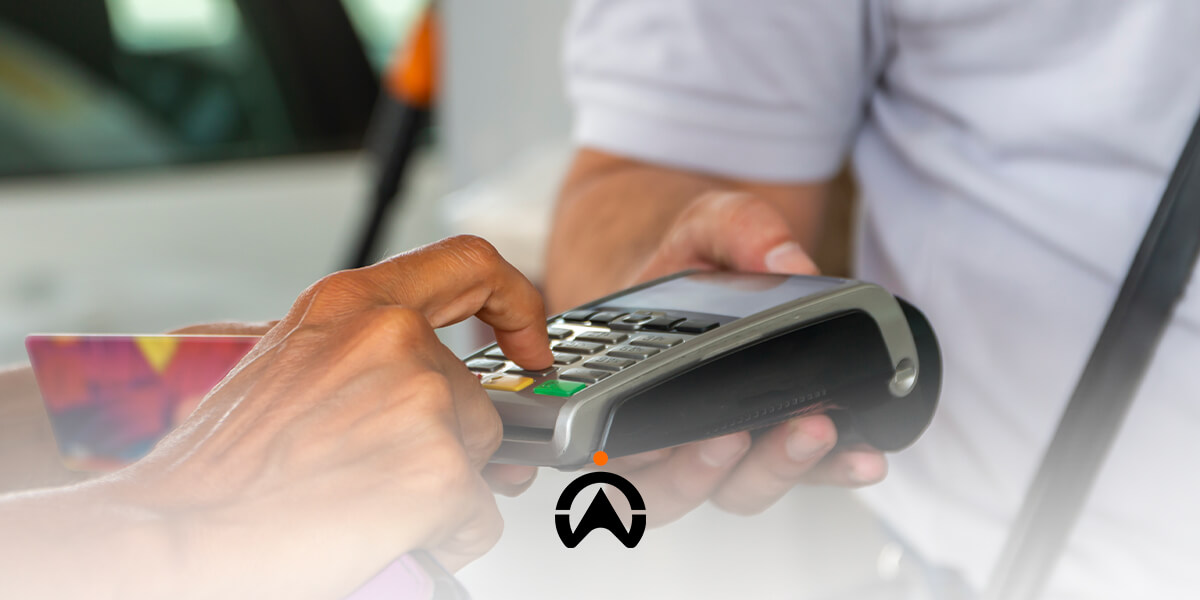
Many businesses don't realise they're experiencing fuel theft due to a lack of dedicated monitoring. If left unchecked, your business could lose millions of rupiah each month. To combat this, you need fleet management software equipped with a fuel monitoring system.
What is Fuel Theft?
Fuel theft occurs when someone takes gasoline or diesel from a vehicle without permission. In business, this can occur in various ways, including direct tank siphoning or misuse of the vehicle for non-business purposes.
The larger your business fleet, the greater your potential losses. The same applies if your business involves large vehicles or heavy equipment that consume more fuel.
Common Types and Modes of Fuel Theft in the Field
Fuel theft and fraud pose a challenge to businesses because they are often perpetrated internally. Therefore, it's important to understand common methods used to prevent it.
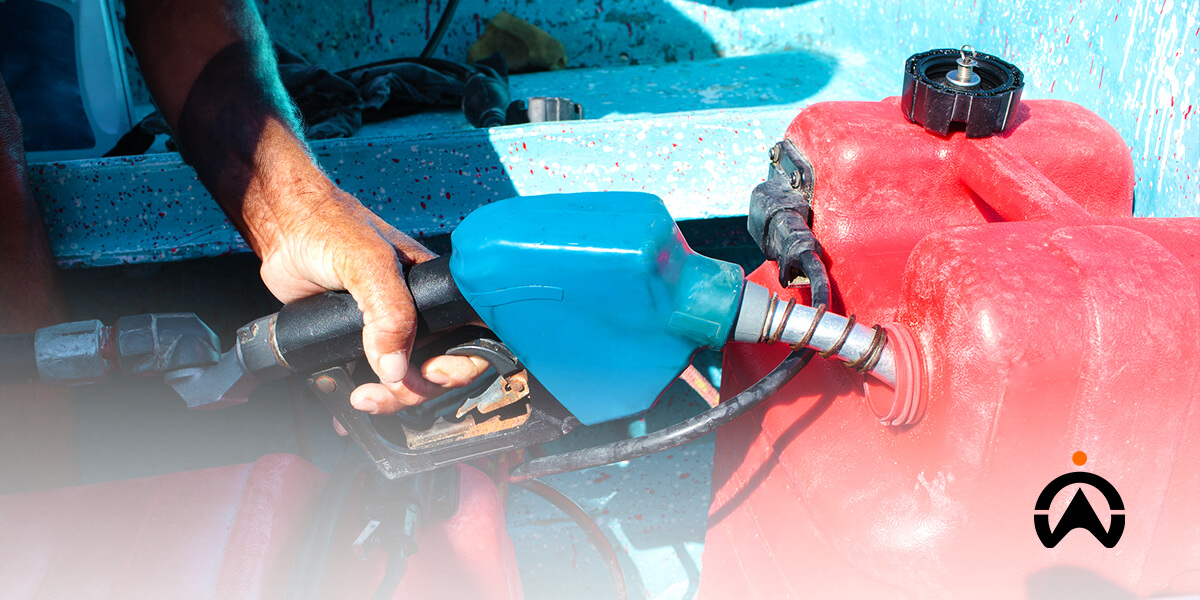
1. Direct suction
Siphoning is the most classic and most common method of fuel theft. Perpetrators typically use a hose and a special pump to siphon gasoline from the tank into a storage container.
This method is very likely used by theft syndicates, who exploit opportunities such as illegal parking. It's also not uncommon for drivers to carry out the theft themselves, then sell the fuel to fuel fences.
2. Manipulation of purchase receipts
Another common method is manipulating purchase receipts to allow drivers to profit. Drivers often collaborate with gas stations to manipulate data so that purchases are counted as higher than they actually are.
For example, if you budget to fill your vehicle's tank to 100 litres of fuel, the driver can work with the attendant to only fill up and pay for 80 litres, with any excess funds going directly into the driver's pocket.
Read Also: Monitoring Fuel Consumption with Fuel Sensors & Fuel Probes
3. Fake transactions and misuse of fuel cards
Although fuel cards are not very common in Indonesia, some big companies are already using them. Regarding fuel cards, drivers can also collaborate with petrol station attendants to carry out fake transactions.
The perpetrator can ask the officer to tap or swipe the card twice in a single transaction. They can also use the company card for other transactions unrelated to business needs.
The Serious Impact of Fuel Theft on Your Business
These irresponsible actions have significant impacts on businesses, affecting many aspects of operations. Potential losses include:
1. Financial loss
The first impact is significant financial loss for a business or company. This includes not only the loss from the theft itself, but also the time and expense spent investigating the fraud.
2. Damage to the vehicle
The siphoning method can damage the fuel tank and lines, which in the long run lowers engine performance. This requires expensive repairs and also unproductive downtime.
3. Security risks
Besides the potential damage, fuel theft is also associated with leaks and spills. Under certain circumstances, this can lead to explosions and fires, which pose a safety hazard.
How to Detect Fuel Theft?
1. Physical and behavioural inspection of the vehicle
Forced fuel siphoning usually leaves visible marks, such as gouges or damage to the fuel tank cap or fuel hose. This damage can impact vehicle performance, such as sluggishness, stuttering, or lack of power.
You may also smell gasoline in or around the vehicle after the theft. However, this characteristic may not be present if the perpetrator is a driver familiar with the vehicle.
2. Utilising fuel monitoring technology
By using Fleet Management System and fuel monitoring technology, you can definitely know your petrol usage. Other potential wastages like speeding, idling, and so on will also become visible.
Not only that, you can also set up notifications if there's a sudden significant drop. This way, you can promptly investigate and address suspected theft.
Read Also: What is a Fuel Management System?
Effective Steps to Prevent Fuel Theft with a Fleet Management System
Every fleet manager's priority is efficiency and keeping operations running smoothly and under control. One way to do this is by using a Fleet Management System to monitor fuel transactions in the following ways:
1. Notification and monitoring
You can set your settings to receive notifications if there's a significant increase or decrease in fuel volume. This allows you to detect suspicious fuel-related activity and respond quickly.
2. Validate location with GPS
By using a GPS tracker within your fleet management system, you can validate GPS locations and fueling transactions. This can prevent unauthorised purchases or transactions made under the guise of gasoline purchases.
3. Setting purchase limits
This system involves synchronising approved fuel purchase limits with each vehicle's actual tank capacity. Managers will set a limit on the number of litres of fuel that can be purchased based on tank capacity, so purchases exceeding the limit will be investigated.
How Cartrack Helps Prevent Fuel Theft
1. Fuel Monitoring feature with a fuel sensor
Fuel monitoring from Cartrack provides three types of sensors: floater, fuel probe, and CANbus. These sensors give you fuel usage data and let you get notified if there's a significant drop.
2. Fleet cameras for monitoring activity around the vehicle
With real-time video recordings and advanced analysis, Cartrack's fleet cameras can help you identify fuel theft suspects. The recordings also serve as evidence and a deterrent, as perpetrators will think twice when they see the camera.
3. MiFleet feature to detect theft
MiFleet is a cost management system that tracks all fleet administration and operating costs, including fuel. In case of fuel theft, MiFleet can analyse fuel card transactions to spot the theft.
Why Do Many Businesses Choose Cartrack?
Some of the things that make Cartrack trusted by many transportation and logistics companies are:
-
Ease of data presentation and import: Companies can avoid manual administrative work. Using Cartrack simplifies tasks that would normally take days to mere minutes.
-
Early detection of fuel waste: Risk reviews for fueling transactions help fleet managers detect potential waste early. This effectively eliminates the possibility of human error.
-
Operational cost savings: With insights and information on vehicle usage, companies can take immediate action to reduce the risk of fuel theft, thereby saving operational costs.
-
Preventing drivers from cheating: Cartrack's ability to detect potential theft will create awareness among drivers to avoid it as there are consequences to bear.
Read Also: Advanced Tool! Easily Monitor Fuel Across All Industries!
Combat Fuel Theft with Cartrack!
Monitor every transaction and fuel consumption across your fleet with Cartrack's comprehensive fleet management solution. By implementing security measures, Cartrack not only reduces fuel costs but also reduces the risk of theft.
With subscription rentals starting from Rp140,000/unit/month, you can prevent losses of up to millions of rupiah every month. Fill out the form or click the WhatsApp button now to get a demo and the best offer from the Cartrack Indonesia team.