EN
EN  ID
ID 


Fuel costs have been a persistent issue for businesses in Indonesia. With the latest gasoline price hike in May 2026, businesses are feeling the pressure even more. Therefore, companies are encouraged to take steps to reduce fuel waste in their fleet operations.
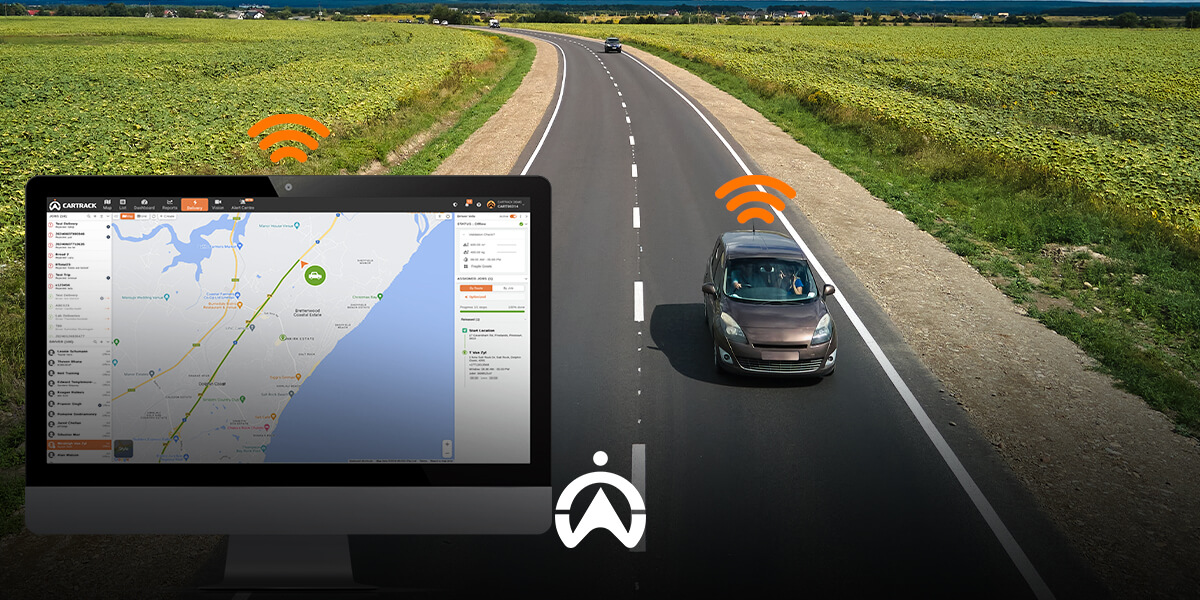
Every liter of wasted fuel eats into a company's operating budget. This is why route optimisation is a crucial solution. By utilising Cartrack's route optimisation system, companies can significantly reduce fuel waste and its negative impact.
Let's take a closer look at how route optimisation can help businesses save costs and contribute to a more sustainable future.
What is Route Optimisation?
Route optimisation is a process used by fleet managers to plan delivery routes. In an effort to build an efficient fleet and reduce unnecessary operational costs, managers can implement strategies to minimise fuel waste. This is achieved by leveraging technologies such as GPS, real-time traffic data, and algorithmic programs to calculate, analyse, and predict effective routes.
These features take into account factors such as traffic conditions, road closures, and vehicle capacity to provide the most efficient routes while improving business operational efficiency.
How Route Optimisation Minimises Fuel Waste
Traffic congestion
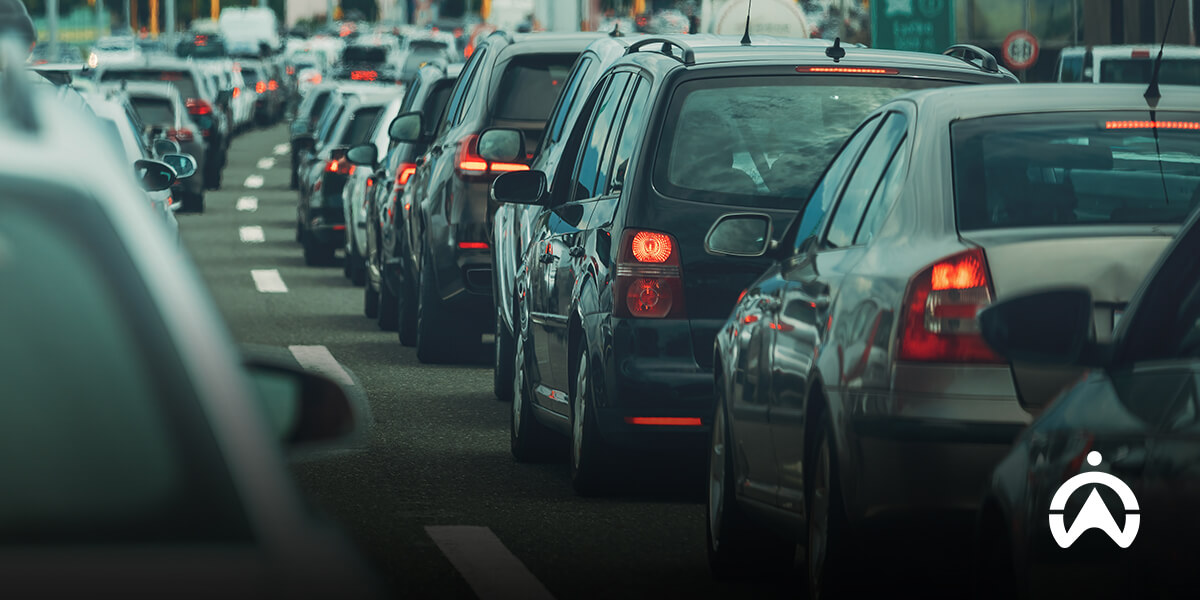
With rapid urbanisation, limited infrastructure, and a rising number of vehicles, roads are becoming increasingly congested. According to the TomTom Traffic Index, vehicles in Jakarta can spend around 84 hours a year stuck in traffic during rush hour. When caught in traffic, drivers tend to leave their engines running, resulting in wasted fuel.
A route optimisation system using real-time data enables fleet managers to identify the most congested roads, allowing them to reroute drivers to avoid delays. This helps reduce time spent in traffic and fuel waste.
Road Infrastructure
Bridges, tunnels, and one-way roads are often overlooked when planning routes. This can force large fleets to take detours, prolonging journeys and wasting fuel.
The route optimisation system identifies road infrastructure and takes these obstacles into account to provide an optimal route that allows large vehicles to pass unhindered.
Aggressive Driving Habits
Driver behavior such as rapid acceleration, high speeds, and sudden braking can accelerate fuel consumption.
Route optimisation provides insights into driver behaviour on the road. This real-time data enables managers to take immediate corrective action, directly reducing fuel waste.
Overload
Vehicle loads are often underestimated, leading to fuel wastage. Overloaded vehicles are more difficult to control and use more fuel to move.
Route optimisation systems help fleet managers assign loads based on vehicle capacity. By analysing data, these systems ensure vehicles are not overloaded, thus reducing fuel waste.
Also Read: The Secret to Startup Success: Route Optimisation from a Fleet Management System
Unauthorised Use of Vehicle
Sometimes, drivers use company vehicles for personal purposes, which causes unnecessary fuel consumption.
A route optimisation system integrated with geofencing enables managers to monitor fleet vehicles in real-time. Geofencing creates a virtual boundary around the optimised route to ensure drivers adhere to the plan.

Benefits of Cartrack Route Optimisation Software
Route optimisation isn't just about advanced maps and AI-based software, it's also about making smart decisions that save costs and ensure your business's success.
Reducing Fuel Waste and Operating Costs
Rising fuel prices are a major challenge. The Cartrack system helps reduce fuel waste by streamlining routes and monitoring driver behavior, such as speeding and sudden braking.
Improving Vehicle Utilisation and Efficiency
Cartrack's route optimisation algorithm ensures every trip is more efficient by analysing vehicle capacity and load volume. This maximises vehicle efficiency and prevents fuel waste.
Also Read: Route Optimisation Software for Powerful Fleet Planning
Improving Driver Productivity
Effective route planning can reduce traffic congestion and idle time. This boosts driver productivity and lowers stress levels, encouraging fuel-efficient driving habits.
Grow Your Business with Cartrack
Take control of your fleet, reduce costs, and contribute to a more sustainable future. Start optimising your routes today and experience the benefits.