EN
EN  ID
ID 


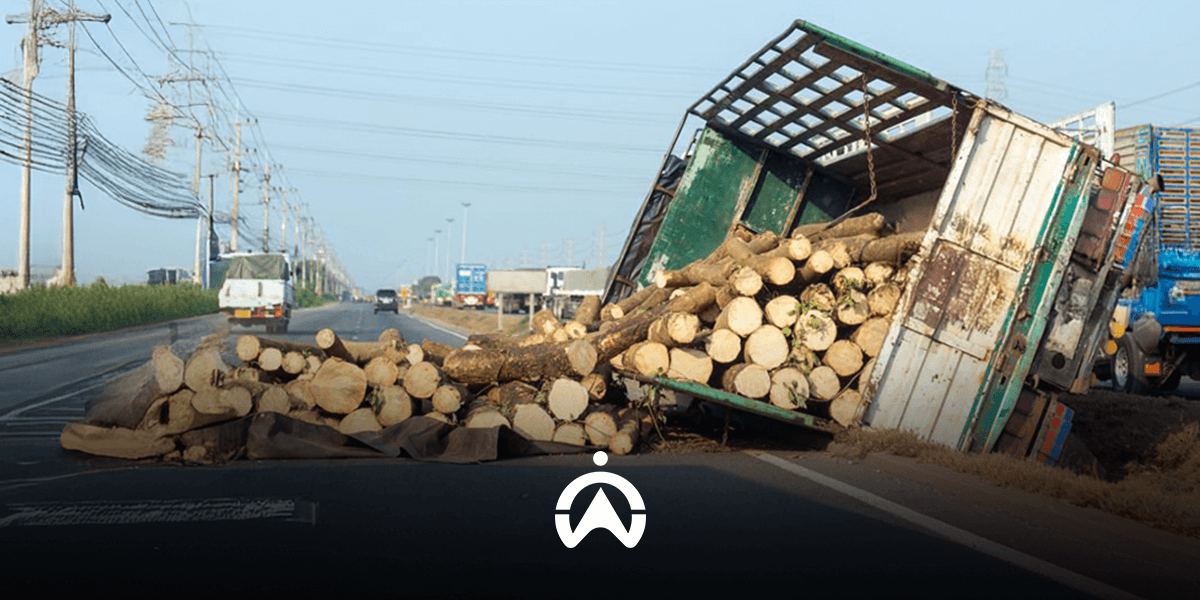
"Overload" is a term often used to refer to a vehicle carrying more than it should. While seemingly trivial, this practice carries significant risks, both to road safety and to the condition of the vehicle itself.
Unfortunately, overloading is still a common practice, especially in freight vehicles like trucks. So, what are the dangers of overloading, and how can you avoid it? Let's discuss this further.
Understanding Overload
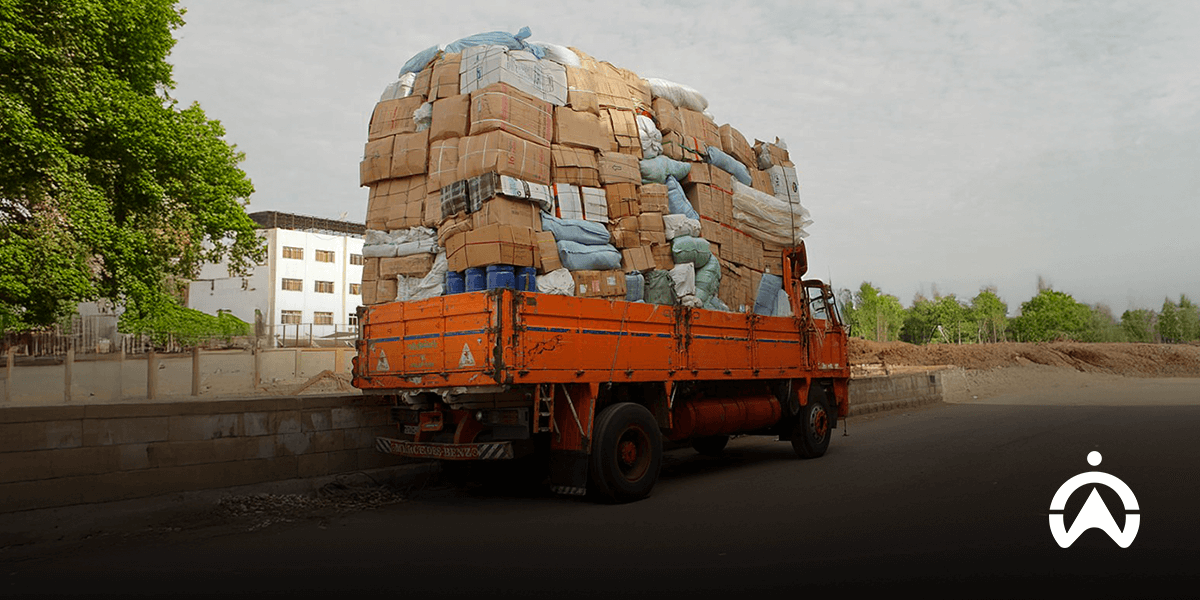
Simply put, "overload" means "too much." This term is often associated with vehicles, especially those carrying excess cargo. This condition can occur in both small and large freight vehicles.
A vehicle can be considered "overloaded" if its load exceeds the manufacturer's specified limits. An overloaded vehicle works harder, which can affect components such as the engine, brakes, tires, and suspension.
Factors Causing Overload
There are many factors contributing to the prevalence of overloaded freight transport in Indonesia. Some of these include:
1. Operational Cost Efficiency
Many companies intentionally load more goods into a single shipment to save on travel costs. By loading more goods, companies hope to save on fuel, driver wages, and maintenance costs.
2. Reduce Selling Prices
Fierce market competition has led many companies to seek to lower prices by reducing logistics costs. Furthermore, competition also demands that companies expedite deliveries to meet consumer demand.
3. Limited Resources
Small companies with limited resources often tend to intentionally overload their operations, especially during times of high market demand. Internal pressures, such as delivery targets for drivers and logistics managers, can also contribute to overloading.
4. Pursuing Greater Profits
Companies shipping very large quantities of goods often resort to overloading to maximize profits. Companies often choose this approach because they don't consider the long-term risks and operational disruptions caused by violating existing regulations.
5. Lack of Staff Education
Overloading is sometimes the initiative of field staff who are uneducated about the long-term risks. Rather than saving operational costs, this will actually increase them if the existing fleet cannot operate optimally due to damage.
Also Read: Pre-Trip Checklist: Safety Steps in Fleet Management
Legal Rules Regarding Overload
In Indonesia, there's a term called ODOL (Over Dimension and Over Load), which refers to vehicles with excessive dimensions and loads. This isn't an official term, but aspects of both are covered by several regulations, including:
-
Law Number 22 of 2009 concerning Traffic and Road Transportation
-
Government Regulation (PP) Number 55 of 2012 concerning Vehicles
-
Regulation of the Minister of Transportation Number 134 of 2015 concerning the Implementation of Weighing of Motor Vehicles on the Road
-
Regulation of the Minister of Transportation Number 60 of 2019 concerning the Implementation of Goods Transportation by Motorized Vehicles on Roads
Despite these regulations, the number of road accidents caused by ODOL vehicles remains quite high, especially on toll roads. In 2023, the government launched a Zero ODOL campaign as a preventative measure against ODOL vehicle accidents.
Dangers and Impacts of Overload
Overloaded vehicles can have a negative impact on traffic, infrastructure, and the vehicles themselves. Not to mention, companies could face legal action during operations for violating regulations.
1. Vehicle Component Damage
Overloading can damage vehicle components, such as premature brake wear, suspension damage, and tire blowouts. This is because the excessive load forces these components to work harder to withstand the impact.
From a company perspective, vehicle damage like this will significantly disrupt operational efficiency. Instead of reducing shipping costs, the company will have to spend more on repairs or replacement parts.
2. Wasteful fuel consumption
Overloading also causes the engine to work harder to maintain speed and vehicle stability. This actually increases fuel consumption, rather than saving operating costs.
Increased fuel consumption will also increase carbon emissions, negatively impacting the environment. If your company prioritizes sustainability and environmental protection, this is certainly something you should avoid.
3. Accident Risk
A vehicle's maneuverability and stability will be reduced if it is overloaded. Excessive loads also put pressure on the brakes, which can result in them not functioning optimally.
If a vehicle is navigating difficult terrain or turning, it will become more difficult to control, increasing the risk of an accident. Furthermore, overloading also increases the risk of tipping over and endangering other vehicles on the road.
In Indonesia, accidents involving overloaded vehicles are quite common on toll roads. Truck overturns, causing multiple accidents, occur almost every year. When this happens, the losses to companies are certainly significant.
4. Damaging Infrastructure
Overloaded vehicles can also damage road infrastructure and bridges. Not only on highways, but overloaded vehicles can also damage road infrastructure around frequently traveled warehouses or factories.
If detected or reported as causing damage to road facilities, the company may be fined. If damage occurs to roads near the company, repair costs will naturally be incurred.
5. Violations of Law and Sanctions
If a vehicle is found to be overloaded at a weighbridge, the load may be reduced or you may be fined. This can lead to delays in delivery, which can result in losses for the company.
Additionally, you will be prohibited from passing through certain areas, especially those prone to infrastructure damage. You may also be ticketed at any time, especially if there's a roadside inspection.
Also Read: Improving Road Safety with Fleet Management Technology
How to Avoid Overload
Overloading vehicles or transportation can actually be avoided if companies establish strict rules and regulations regarding shipping. Some things you can implement include:
1. Understand Your Vehicle Capacity
In some cases, overloading occurs because business owners and field managers don't understand vehicle capacity. Overloading can occur even if the load isn't over capacity, especially with materials like sand, iron, and other solid minerals.
To avoid this, you should understand your vehicle's capacity, both in terms of dimensions and weight. Especially the Gross Vehicle Weight (GVW), or the maximum weight the vehicle can carry, including cargo and passengers.
2. Carry out Load Planning and Route Selection
The next thing you can do is plan your vehicle's load for each shipment. Ensure that the items are evenly distributed across the vehicle's cargo bed to ensure optimal carrying capacity.
Additionally, instead of forcing yourself to transport more, you can optimize your delivery route choices. This will hopefully shorten delivery times and reduce fuel costs.
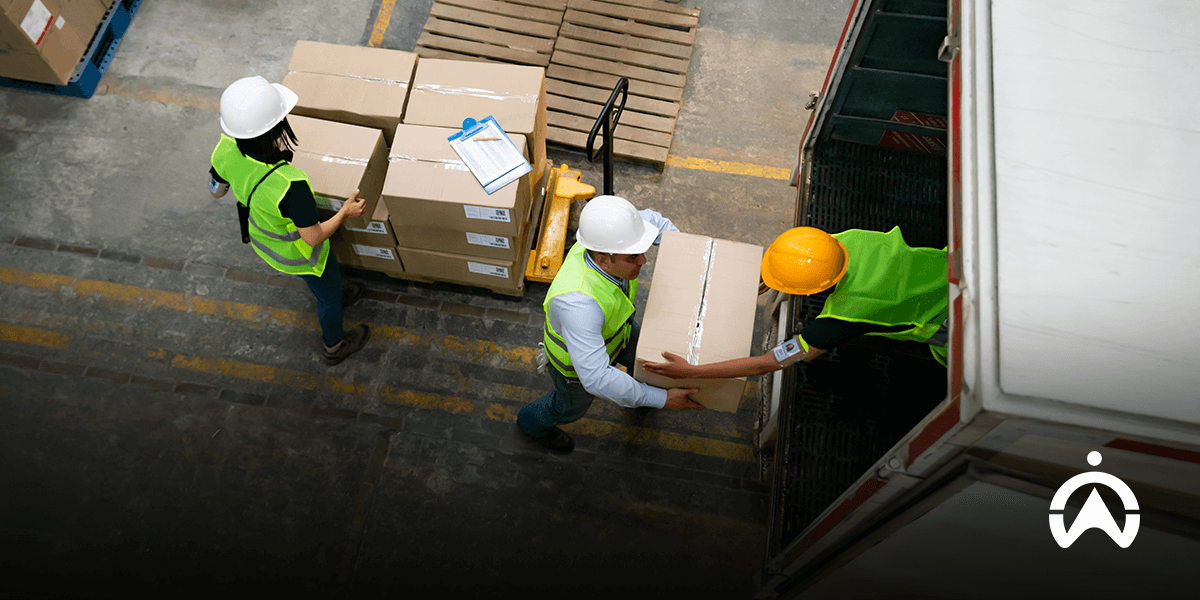
3. Weigh the goods before transporting them.
When loading goods, staff often neglect to weigh them first and focus on meeting the vehicle's load capacity. This leads to many vehicles being stopped or held at weighbridges during delivery.
Detention and inspections will undoubtedly significantly impact company operations. You can minimize this by establishing a policy that pre-weighs items for shipment and adjusts them to vehicle capacity.
4. Operational Team Education
It's not uncommon for companies to suffer the consequences of "mischievous" operations staff in the field who manipulate deliveries. However, this is also often due to poorly educated operational managers.
Ensure operational managers understand the risks of overloading and support policies to prevent it. Furthermore, you should provide driver training on the importance of avoiding overloading, both for safety and legal compliance.
5. Check the condition of the vehicle regularly
Furthermore, to avoid the dangers of overloading, you can invest in regular vehicle maintenance. With regular inspections, any damage caused by potential overloading can be promptly detected and minimized.
This will also indirectly change bad and risky driving habits, including previously unknown overloading. Furthermore, regular maintenance will also make it easier for you to pass the mandatory roadworthiness test (KIR) every six months.
Fleet Maintenance Solutions from Cartrack
Many companies don't implement regular inspections, so damage isn't discovered until it's already disrupting operations. When this happens, the resulting losses are often compounded by repairs and delayed deliveries.
You can mitigate the risks of loss mentioned above by performing regular vehicle maintenance checks. One way to do this is by utilizing Cartrack's Cartrack Maintenance solution. With Cartrack Maintenance, you can:
-
Maintenance Automation: You will get a reminder for maintenance if the vehicle has reached a certain mileage.
-
Ensure vehicle roadworthiness: Prevent vehicle breakdowns with regular engine diagnostics and inspections to schedule repairs.
-
Manage repairs: Drivers can request repairs through the app, allowing managers to schedule downtime efficiently.
-
Understanding repair costs: Plan the cost expenditure required for each category on each vehicle to avoid waste.
With the Cartrack Maintenance solution, you can manage vehicle repairs and maintenance more regularly and on a schedule. This will help you ensure your vehicle's condition, prevent breakdowns, and always be ready for roadworthiness tests.
Cartrack Maintenance is part of Cartrack's Fleet Management suite, enabling you to effectively manage your fleet and commercial vehicles. Click the link below to receive a special offer!