EN
EN  ID
ID 


What is smart mobility?
Smart mobility focuses on creating efficient, environmentally friendly, and convenient urban transportation systems by integrating various advanced technologies and modes of transport. This revolutionary approach to transportation goes beyond simply moving people and goods from point A to point B; it's about optimising the transportation ecosystem for greater accessibility, safety, and environmental responsibility. It aims to secure a smarter, cleaner, and fairer transportation future for everyone.
What is smart mobility for fleets?
In the fleet context, smart mobility leverages advanced technology to optimise fleet transportation systems and services. This involves the use of connected devices to collect real-time data on vehicle location, condition, and driver behaviour. This data empowers fleet managers with insights that can be useful for action and help them make decisions to optimise fleet operations.
What are the keys to smart mobility for fleets?
Smart mobility in fleet management includes the entire technology ecosystem and approaches aimed at revolutionising the way we travel.
Here are some key aspects of smart mobility:
- Telematics: Telematics refers to the integration of telecommunications and information technology designed to collect, transmit, and analyse data. It is a crucial component of smart mobility in the fleet context, as it provides comprehensive solutions for in-depth fleet monitoring. Fleet management systems use telematics systems to track and monitor multiple vehicles, providing valuable data on key fleet metrics such as driver behaviour and vehicle performance.
- Internet of Things (IoT): IoT refers to a network of connected devices and vehicles equipped with sensors, software, and connectivity. The use of these interconnected devices and sensors works to seamlessly collect and transmit data from vehicles, drivers, and other fleet assets. IoT technology in fleet management is crucial for real-time data monitoring. This data can then be analysed and used to optimise fleet operations, improve fleet safety, reduce operational costs, and boost customer satisfaction.
- Artificial Intelligence (AI): AI refers to the use of machine learning algorithms and predictive analytics to analyse the large volumes of data generated by telematics devices and sensors installed in vehicles. By collecting data from connected vehicles, AI technology helps fleet managers spot problem areas before they become issues, create real-time training, optimise maintenance operations, and improve driver safety and accountability.
- Data analytics: Data analytics refers to the collection, processing, and analysis of large and complex datasets to generate insights, patterns, and predictions. This data can help improve various aspects of fleet management in several ways, including route optimisation, preventive maintenance, fuel efficiency, and monitoring driver behaviour. The core goal of smart mobility is to optimise fleet operations by integrating advanced technology and innovative solutions. One of the main keys to achieving this is connected vehicle integration.
What is a connected vehicle?
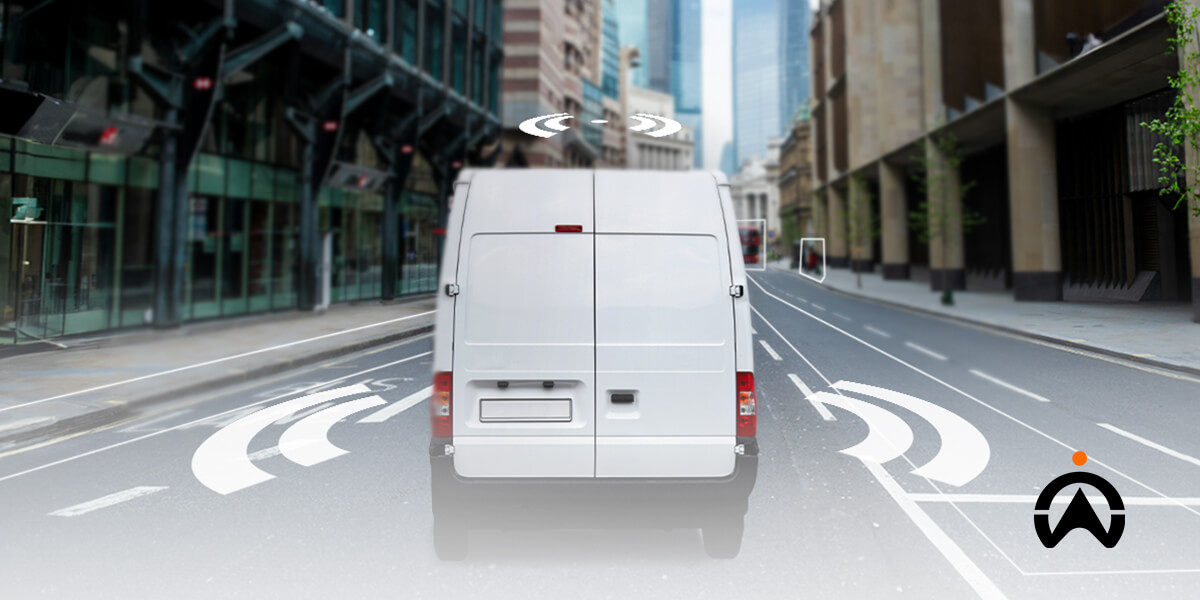
Connected vehicles, also known as “smart cars,” are vehicles integrated with advanced data and communication technology. This allows them to collect and transmit real-time data about various aspects of their operations. By using this data, along with advanced algorithms and artificial intelligence, fleet managers can optimise and enhance their safety and operational efficiency. Using sensors and communication systems, connected vehicles can communicate with other devices and systems outside the vehicle as well as share data with other vehicles.
Why do fleets need connected vehicles?
The goal of connected vehicles is not only to collect and transmit their data to the cloud but also to record data from their environment. By leveraging embedded sensors and communication technologies that enable continuous interaction between vehicles, infrastructure, and fleet management systems, these vehicles can help fleets achieve:
-
Promoting optimisation and efficiency: By using real-time data, fleet managers can optimise operations on the fly, avoid traffic jams, and pinpoint the most efficient routes for deliveries or services. This real-time data also helps enable predictive maintenance by constantly monitoring vehicle health, allowing for proactive maintenance or repairs before breakdowns occur.
-
Improved safety and compliance: Connected vehicles facilitate better driver management by monitoring driver behaviours such as sudden braking, high speeds, or idling, enabling training interventions to improve overall fleet safety.
-
Improved customer service: Connected vehicles gain real-time visibility of the location and estimated time of arrival of their goods or services, helping to drive transparency and reliability.
-
Boosting fleet visibility and control: Fleet managers get up-to-date and comprehensive insight into the activity of their entire fleet. Enhanced visibility allows for precise tracking of their vehicles, real-time monitoring of schedule compliance, and optimised routes to improve efficiency.
Is there a relationship between connected vehicles and electric vehicles?
The fleet industry is seeing the rise of electric vehicles, and yes, there is a connection between connected vehicles and electric vehicles. These two technologies are linked and support each other. Connected vehicles are always online, enabling features such as cloud updates, remote operation of vehicle functions, and real-time data sharing.
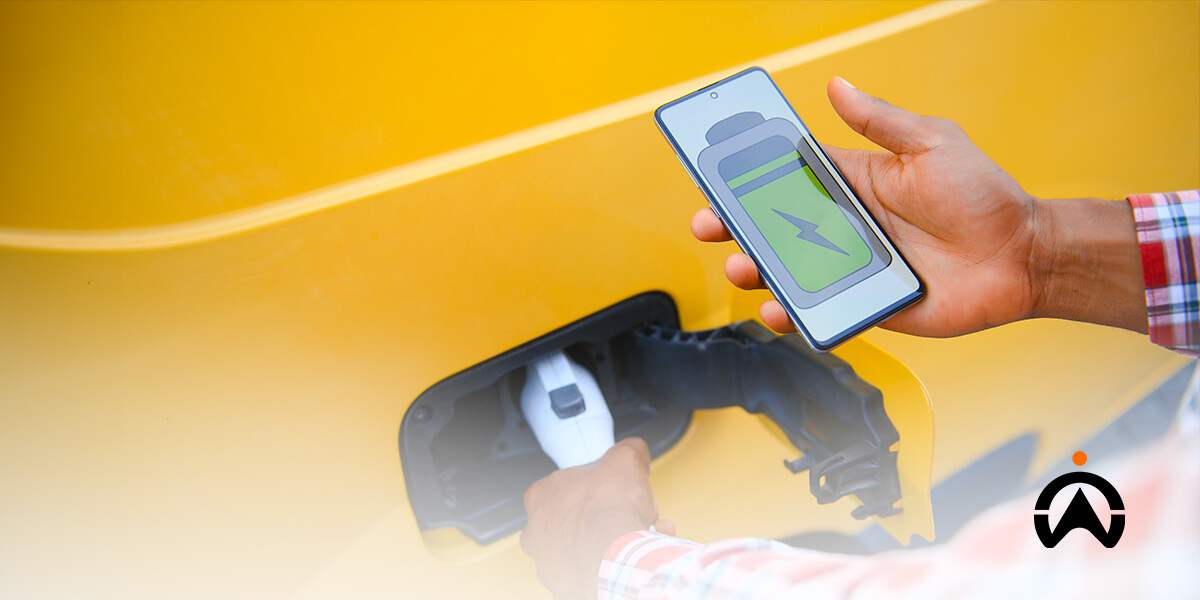
Connectivity is not only beneficial for conventional vehicles but also plays a crucial role in the advancement of electric vehicles, which are beginning to dominate the fleet industry. For example, connected vehicles can provide EV drivers with critical information such as charging status, allowing them to conveniently check their vehicle's battery level from their mobile phones and schedule charging times that align with their delivery schedules.
What is the role of smart mobility in connected vehicles?
Smart mobility plays a crucial role in connected vehicles, leveraging advanced connectivity and technology to optimise transportation systems, reduce congestion, improve safety, and create a more sustainable future. Here are some of the roles smart mobility plays in connected vehicles:
- Enhancing cooperative driving: V2V (vehicle-to-vehicle) and V2I (vehicle-to-infrastructure) communication are technologies seen in connected vehicles. They allow them to talk to each other using short-range radio waves, helping them swap information about speed, position, and route planning. This communication plays an important role in preventing collisions. As a result, it reduces the risk of crashes and prevents potential accidents by enabling a more aware and responsive driving environment.
- Improving fleet safety: With connected vehicles, smart mobility creates a safer environment. Real-time communication between these vehicles significantly reduces the risk of accidents. By using technology, we can prevent accidents through real-time communication and driver assistance tech to cut down on human errors.
- Helping in precise route planning: Smart mobility solutions analyse data from various sources, such as GPS, traffic cameras, and weather forecasts. This data-driven approach enables connected vehicles to optimise routes, minimise travel time, reduce fuel consumption, and alleviate traffic congestion, which directly impacts the operational efficiency of connected vehicles.
- Seamless Electric Vehicle Integration: The rise of electric vehicles demands a dedicated integration strategy within connected vehicle fleets. Smart mobility platforms can help by conveniently guiding EVs to charging stations and streamlining the charging process by scheduling it into daily fleet operations.
How does smart mobility optimise fleet operations?
Smart mobility has proven itself to be a transformational force that can significantly revolutionise the way operations are optimised and managed. Here's how smart mobility can help optimise fleet operations:
- Optimising travel routes based on real-time road conditions: With advanced technology that takes into account factors like traffic, road conditions and vehicle characteristics, smart mobility can plan and optimise routes quickly, significantly cutting travel time and fuel consumption.
- Monitoring driver behavior: Smart mobility facilitates driver monitoring and training through the integration of telematics systems. These systems track and analyse driver behaviour, examining aspects such as speed, braking patterns, and driver demeanor. Insights from these behaviours help drivers improve their habits, thereby promoting safer practices and reducing the likelihood of accidents.
- Giving real-time GPS tracking access: By using real-time GPS tracking, smart mobility gives fleet managers accurate visibility of their vehicles' locations and movements at all times. This allows for continuous monitoring and boosts fleet operational efficiency by optimising routes, improving scheduling, promoting safety, and ensuring timely deliveries.
- Driving data-driven decision making: Smart mobility leverages data analytics to empower fleet managers with insights critical to fleet operations. By analysing vast amounts of data collected from connected vehicles, traffic patterns, and performance metrics, informed decisions can be made regarding maintenance schedules, vehicle utilisation, and resource allocation, leading to optimised fleet operations.
- Enhancing overall fleet safety: Smart mobility puts fleet safety first by combining advanced safety features and real-time monitoring. By integrating driver alerts, collision avoidance systems, and automatic emergency braking, smart mobility takes a proactive role in reducing accidents and keeping both drivers and vehicles safe.
- Maintaining the health and functionality of fleet vehicles: Smart mobility makes preventive maintenance easier by monitoring vehicle health in real time. Through predictive analytics and real-time monitoring, the system can detect vehicle problems before they become serious. This way, it can minimise vehicle downtime, cut repair costs, and extend the lifespan of fleet assets.
5 Cartrack Indonesia solutions help you achieve smart mobility through connected vehicles
Here's how:
- Preventive maintenance: As an essential part of the fleet management platform, Cartrack Indonesia's preventive maintenance uses telematics and real-time vehicle diagnostics to enable proactive upkeep. This technology provides real-time alerts for engine faults, worn brakes, and oil and water fluctuations, allowing fleet managers to schedule vehicle maintenance in advance. By automating maintenance schedules and giving instant alerts, the platform helps keep vehicles healthy and minimises unplanned downtime. This proactive approach to maintenance aligns with smart mobility principles, using real-time data and advanced telematics to optimise vehicle health, enhance safety, and prevent disruptions, leading to a more efficient and sustainable fleet.
- AI-based Camera: Make sure drivers are operating at their best with Cartrack Indonesia's AI Live Vision camera. It's a cloud-connected video management solution that boosts driver safety and provides real-time monitoring and alerts to both drivers and fleet managers. Powered by IoT (Internet of Things), AI-based and live streaming technology gives 24-hour visual access inside and outside the vehicle. Equipped with in-cabin audio alerts, this camera instantly notifies drivers about risky or unsafe driving behaviour (like speeding, phone use, smoking, and frequent yawning). These real-time< alerts help drivers immediately correct their behaviour to prevent accidents.
- Advanced Driver Assistance System: Make sure drivers are always aware of their surroundings with Cartrack Indonesia's Advanced Driver Assistance System. By using sensors and cameras strategically placed around the vehicle, ADAS can record data about the surroundings, including obstacles and other vehicles. The collected data is processed in real-time and used to identify potential risks or hazards on the road using real-time safety features. This includes a forward collision warning, which alerts drivers when they approach obstacles or other vehicles too quickly, helping them avoid rear-end collisions. Other safety features include adaptive cruise control, which automatically adjusts the vehicle's speed to maintain a safe distance from the vehicle in front; blind spot detection that warns drivers of vehicles in their blind spots and helps reduce the risk of accidents when changing lanes.
- Live real-time GPS tracking: Get full visibility and control over your fleet with Cartrack Indonesia's real-time GPS tracking. This technology is a key part of smart fleet mobility as it helps track your fleet and unlocks key security for vehicles and assets. Our solution uses GPS (Global Positioning System) technology, which helps you know exactly where your vehicles and drivers are. Using GPS technology is also useful for tracking distance travelled, rest durations, and idle time, which can be used for data-driven decision making.
- Route optimisation: Prevent travel delays with Cartrack Indonesia's route optimisation feature. Available through the Cartrack Delivery app, route optimisation helps reduce travel delays, reduce fuel consumption, and maximise fleet productivity. By analysing distance, travel time, and real-time traffic and road conditions, this feature helps drivers find the best, deviation-free route so they can complete tasks/deliveries more timely.
Take advantage of smart mobility power with Cartrack! Contact Cartrack Indonesia now by clicking this link!