EN
EN  ID
ID 


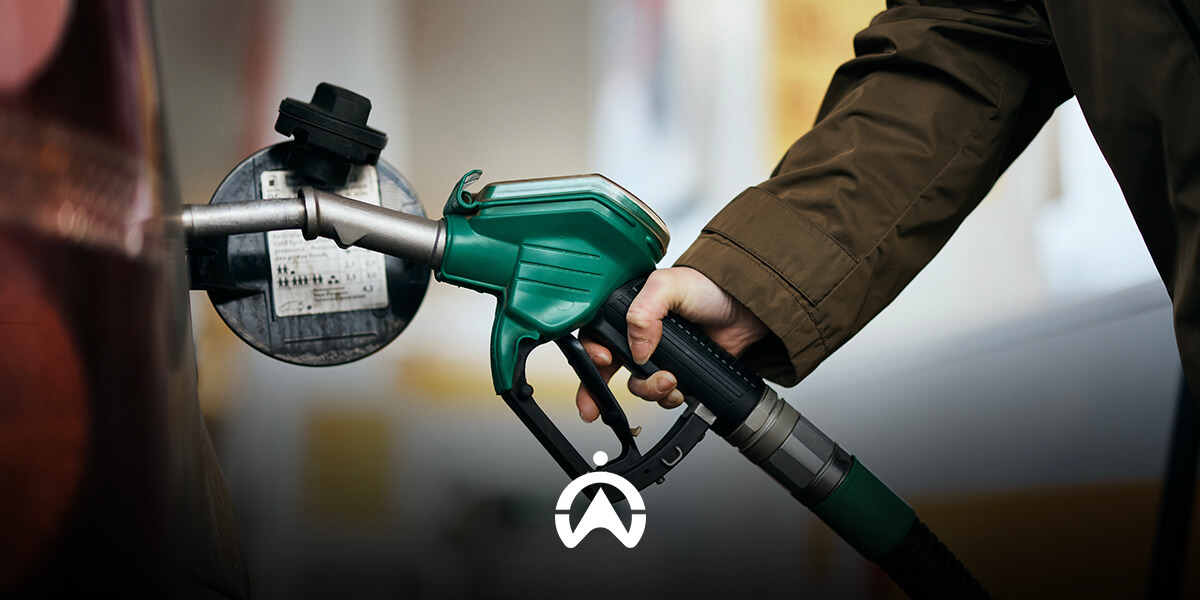
Motorised vehicles tend to be wasteful with fuel if not properly maintained. Therefore, understanding the causes of increased fuel consumption is the first step to better fuel management.
Let's learn together what causes wasteful fuel consumption in motor vehicles!
Common causes of high fuel consumption in vehicles
As private vehicle owners or fleet managers, we often feel anxious when our vehicles have to travel long distances. This is because the longer the distance, the higher the fuel consumption. Generally, high fuel consumption is caused by many factors, such as:
Driver's driving style
Bad driver behaviour, such as speeding or sudden braking, can increase fuel consumption. When speeding or braking suddenly, a vehicle uses more fuel than driving at normal speeds. Unfortunately, most companies don't clearly identify bad driver habits. Therefore, companies need systems or tools that can help monitor driver behaviour and improve their safety.
Vehicle service
When was the last time you serviced your vehicle? Paying attention to your vehicle's maintenance schedule or routine servicing is crucial for optimising fuel efficiency. A poorly maintained vehicle can consume more fuel than a well-maintained one.
Vehicle overloading
Most of us have seen an overloaded truck on the road. Whether you're a driver or a fleet manager, you need to understand the risks of overloading and how it can impact your fleet's fuel efficiency. Overloaded vehicles can consume more fuel, so it's best to keep your load within the limits.
Traffic congestion
Being stuck in traffic for hours can drain your tank of fuel. Idling in traffic is a waste of precious fuel. Did you know that idling a vehicle for 10 minutes can waste about 300ml of fuel? That's more than a cup of fuel wasted every 10 minutes.
Whether you drive a personal vehicle or manage a fleet, the factors that contribute to fuel efficiency are relatively the same.
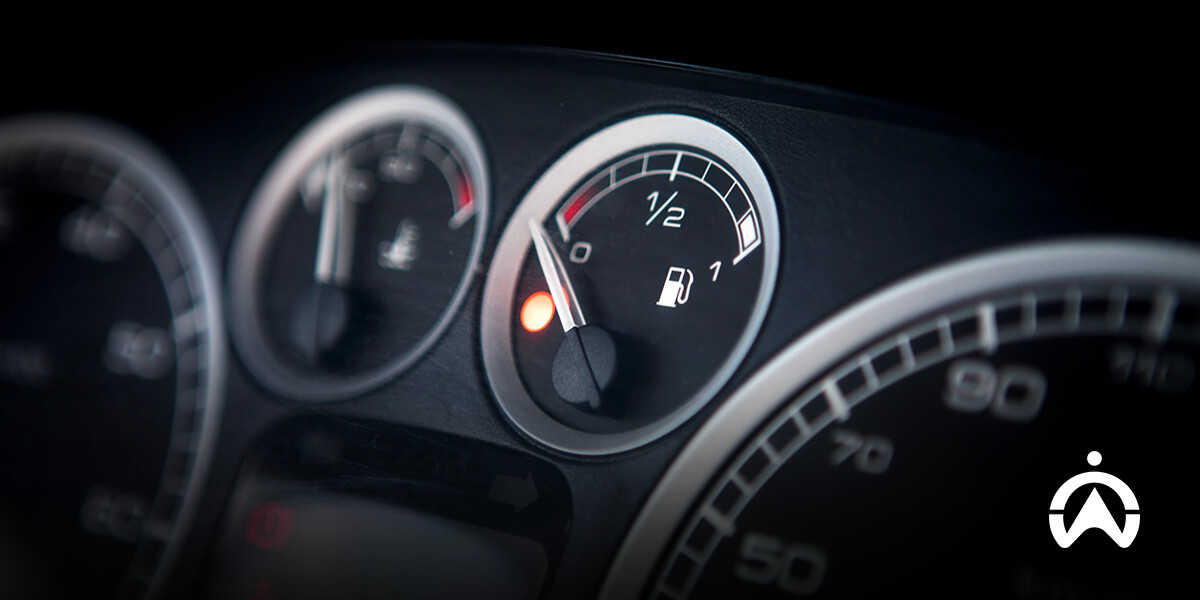
Reasons why petrol cars are more fuel efficient
There are several reasons why gasoline-powered cars use more fuel. Let's take a look at some of them:
Lower thermal efficiency
In general, cars with gasoline engines have lower thermal efficiency than petrol engines. dieselWhat does it mean? An engine's thermal efficiency is the percentage of fuel energy used to power the engine. In a gasoline engine, thermal efficiency is 30%. This means that 30% of the gasoline's energy is used to generate power, with the rest being wasted as heat.
While on the machine diesel Its efficiency is at 40%. This higher thermal efficiency indicates that the engine uses more fuel than it expends.
Stoichiometric ratio
The stoichiometric ratio refers to the ideal balance between air and fuel in an engine, allowing the engine to use fuel efficiently without leaving any excess fuel or air. Gasoline-powered vehicles require a precise air-to-fuel ratio (around 14.7:1) for optimal combustion conditions. To ensure complete combustion, gasoline engines tend to use more fuel, especially when the vehicle is overloaded or under sustained acceleration.
Road conditions and driver behaviour
Road conditions and driver behaviour can increase fuel consumption at any time. Congestion and winding roads can increase fuel consumption. Furthermore, poor driving behaviour such as speeding and sudden braking will also result in higher fuel consumption.
Energy density of fuel
Gasoline engines tend to have a lower compression ratio than diesel engines, which makes them less fuel efficient and uses more fuel.
Higher RPM operation
Gasoline engines operate at higher revolutions per minute (RPM) than petrol engines. diesel. Higher RPMs result in higher fuel consumption because more fuel is injected into the vehicle's engine to maintain the speed and power at which the vehicle is operating.
Also Read: How to Reduce Fuel Consumption of Business Vehicles?
How do fuel costs affect business operations?
Fuel consumption is one of the largest expenses for businesses with fleets of vehicles. Here are four ways fuel can impact various aspects of a business:
Rising operational costs
Fuel prices are fluctuating: Fuel prices often fluctuate due to factors such as oil prices. global and currency exchange rates. Rising fuel prices directly impact business operating costs, especially if the business relies on vehicles for operation.
Managing the budget: Operating budgets must be constantly adjusted due to fuel costs, which impact the availability of funds for other operational needs such as maintenance and labor.
Impact on profit margins
Decrease in profits: Companies with thin margins may experience reduced profits due to high fleet fuel consumption. The greater the fleet's fuel needs, the greater the impact on business profits, especially for companies operating in the transportation or delivery services sector.
Product and service price adjustments: To maintain profitability, businesses may have to change the prices of their products and services, which can negatively impact competitiveness and customer satisfaction.
Product distribution is hampered
Increase in logistics costs: Product distribution may be affected by high logistics costs caused by high fuel consumption, especially if the company operates in the manufacturing or retail industry.
The need for route optimization: Companies might consider investing in route optimization tools. While this adds to the monthly cost, it will reduce wasted fuel costs caused by inefficient routes.
Challenges in fleet management
Maintaining fleet vehicles: Vehicle damage is often caused by higher fuel consumption, which increases the load on the engine. Higher fuel consumption means greater vehicle workload due to aggressive driving, wasteful cargo loads, or inefficient operation.
Lack of fuel-efficient vehicles: Organizations may need to consider investing in more fuel-efficient vehicles to address high fuel consumption and costs.
How Cartrack can improve fuel efficiency
Managing a fleet while reducing fuel consumption is complex. At Cartrack, we offer several solutions to every fleet management challenge you may face, including:
- Real-time driver behaviour monitoring: You can track your entire fleet and monitor driver behaviour, such as harsh acceleration and speeding, using Cartrack products. With the accurate data collected by Cartrack’s telematics devices, you can improve driver behaviour through targeted training programmes.
- Route optimisation: You can use Cartrack’s route optimisation feature, which can shorten drivers’ routes in real time, enabling you to reduce fuel costs immediately.
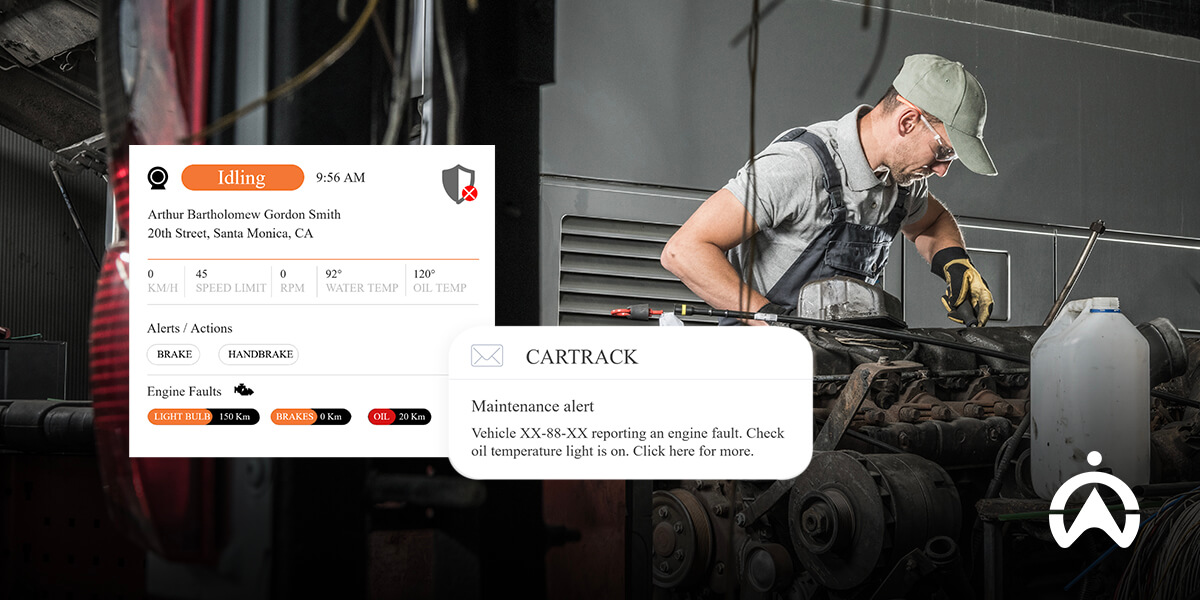
- Vehicle maintenance warning: Regular maintenance can save you money on vehicle breakdowns. With Cartrack, you can set up maintenance alerts for individual vehicles or your entire fleet.
- Tracking fleet fuel usage: Cartrack's tools can provide a detailed overview of your entire fleet's fuel usage patterns. By analysing these patterns, you can identify where your fleet tends to waste fuel.
- Reducing vehicle idle duration: When drivers idle for extended periods, they waste fuel. Using Cartrack's telematics system, you can monitor the duration and frequency of fleet drivers' idling (running engines without moving).
That was an explanation of the reasons why vehicles with gasoline engines are more wasteful of fuel and how to overcome this.
Contact Cartrack today and find out how to reduce your vehicle's fuel consumption! Click the link the following!