EN
EN  ID
ID 


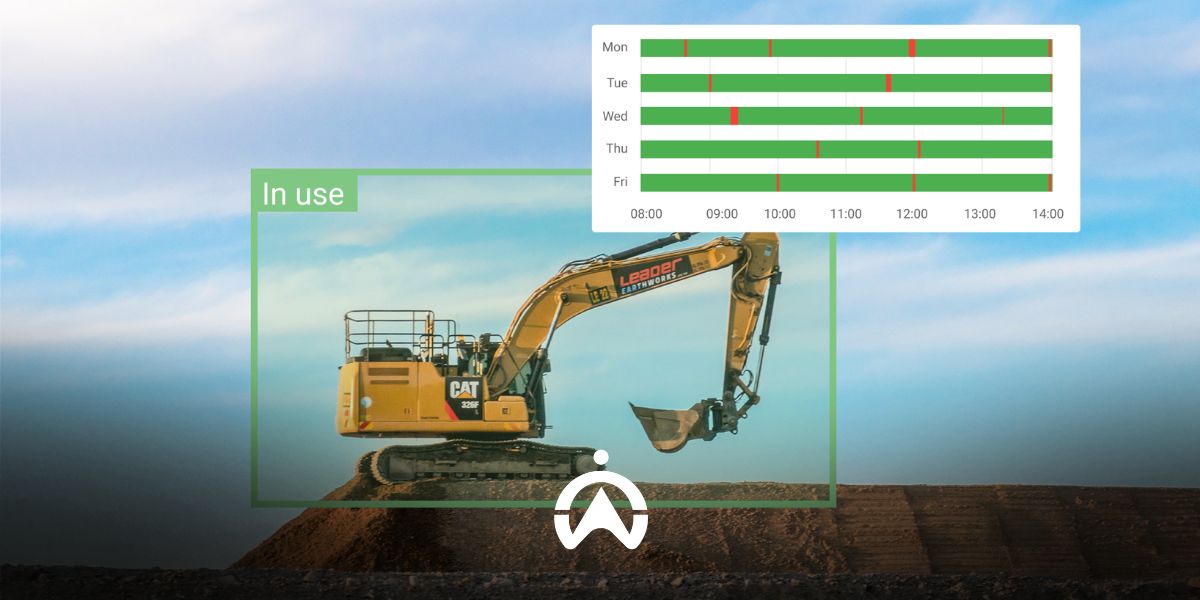
Power take-off (PTO) in vehicles is a method of drawing a certain amount of power from a running engine and transmitting it to other connected devices. This PTO system is typically activated using a switch, button, or lever—for example, for dump truck beds, truck-mounted cranes, excavator buckets, and bulldozer blades. To monitor the use of mechanical equipment in heavy machinery or special-purpose vehicles in greater detail, a power take-off (PTO) sensor should be installed alongside a GPS tracker.
Benefits of Integrating PTO Sensors with GPS Tracking
GPS-based fleet management systems typically provide a range of additional features that can be integrated with GPS tracker devices, one of which is the power take-off (PTO) sensor. The information recorded by both the PTO sensor and the GPS tracker can then be accessed through automated reports available in the fleet management software based on GPS tracking. This integration allows you to determine the time, duration, location, and geofence status when the PTO is activated or deactivated. This data is useful for managing vehicle maintenance, tracking operator and vehicle productivity, and providing service evidence.
1. Manage Special Purpose Vehicle Maintenance More Effectively
Special-purpose vehicles such as dump trucks, tow trucks, excavators, bulldozers, and road sweepers may require more specialised maintenance. With a GPS tracker, you can monitor mileage, engine hours, and vehicle operating duration, all of which are important for maintenance scheduling. The addition of a PTO sensor helps you understand how the vehicle’s mechanical equipment is being used, allowing you to determine when components should be replaced or serviced. In this way, both the vehicle and its peripheral components are properly maintained to prevent downtime>.

2. Track Operator and Vehicle Productivity
Although a GPS tracker can provide information on vehicle activity and driving behaviour, it cannot capture the operation of mechanical equipment that uses PTO. Without a PTO sensor, it is not possible to confirm whether mechanical equipment is being operated while the vehicle is moving or stationary. The combination of PTO and GPS tracking data provides information on operating time, duration, idle time, stop duration, and the location of mechanical equipment usage over a selected period. This enables you to better understand the true productivity of your operators and special-purpose vehicles. For real-time monitoring, alerts can be set up to notify you whenever the PTO is switched on and/or off.
3. Provide Proof of Service Data
The PTO sensor can provide data on the usage of a vehicle's mechanical equipment as proof of service whenever needed—for instance, when addressing complaints. You can access accurate data regarding the time and location of the equipment's activation and deactivation, as well as the duration of continuous use over a selected period. Additionally, the PTO sensor and GPS tracker can reveal instances of misuse, such as when the vehicle's mechanical equipment is operated outside of designated times or areas.
Interested in installing PTO sensors on your heavy equipment or special-purpose vehicles? Use a reliable Cartrack fleet management system! The Cartrack fleet management system integrates GPS tracker and a wide range of selectable features into a single web-based software platform. You can add specialised features, including PTO sensors, to support your fleet management needs. Contact us now!