EN
EN  ID
ID 


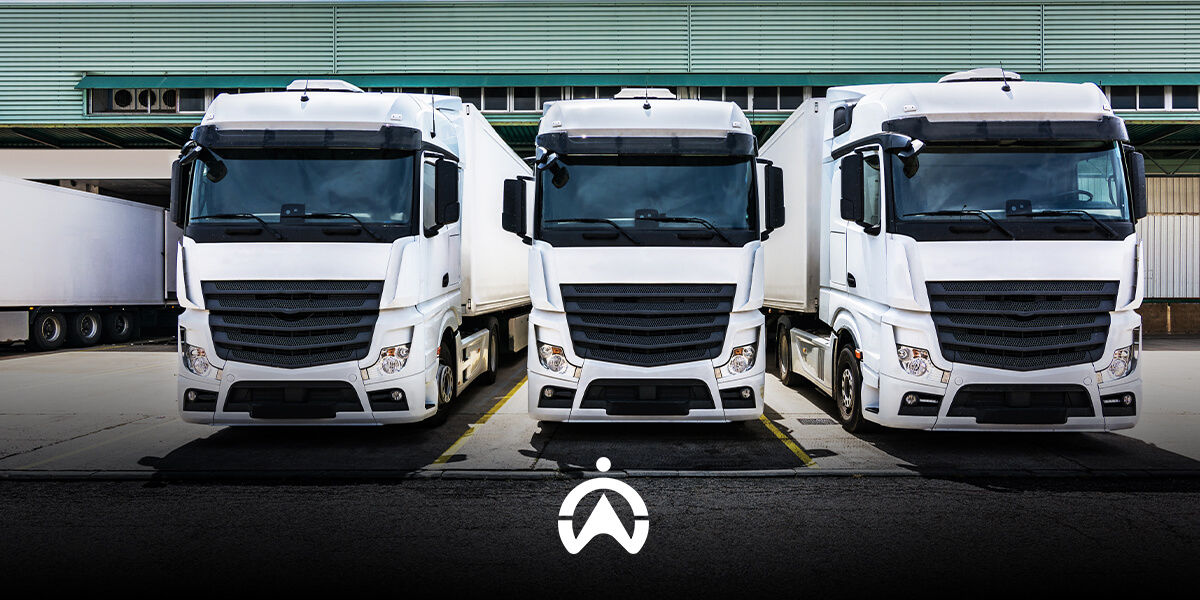
Trucks are the backbone of land transportation that plays an important role in logistics, construction, to the distribution of everyday goods. Each type of truck has different specifications, ranging from function, load capacity, and wheel configuration.
This time, we'll discuss various types of trucks based on these three aspects. Understanding these aspects will make it easier for you to determine the type of truck to use for various operational needs.
Types of Trucks Based on Bodywork and Their Uses
Each vehicle has its own type and function according to the size and shape of the body (body) that becomes the cargo of the truck.
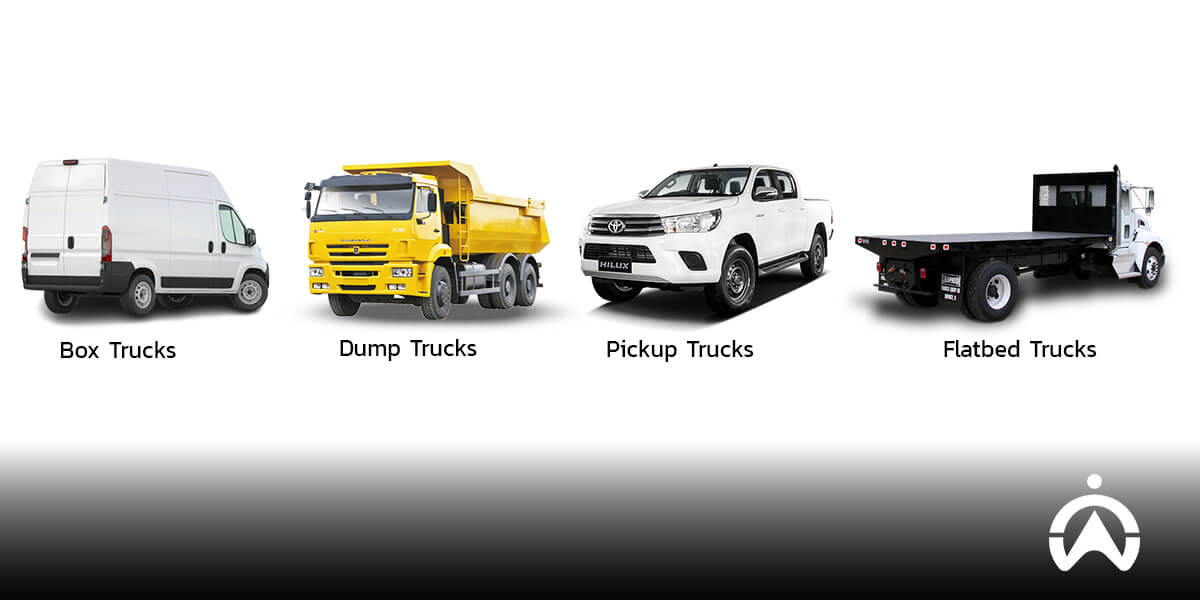
1. Pick Up Truck
A pickup truck is a small, open-backed vehicle typically used to transport small quantities of goods or for short-distance deliveries. These trucks are often used by moving companies or retailers offering intracity delivery services.
2. Box Truck
Also known as a box truck, this vehicle is equipped with a box-like body to protect goods from rain, dust, and the risk of damage. Box trucks are ideal for distributing retail, electronics, or other fragile goods.
3. Tank Truck
Specially designed with cylindrical tanks, these vehicles are specifically used to transport liquids such as fuel, water, or chemicals. Because the cargo is liquid, tank trucks are constructed of highly durable materials.
4. Dump Truck
Dump trucks have a special feature: a tiltable bed that can be used to dump or unload their cargo. These vehicles are typically used to transport construction materials such as soil, sand, and rock.
5. Flatbed Truck
Flatbed trucks have a distinctive design without walls or a roof, making them suitable for transporting large items. Some items frequently transported by flatbed trucks include steel pipes, logs, and vehicles and heavy equipment.
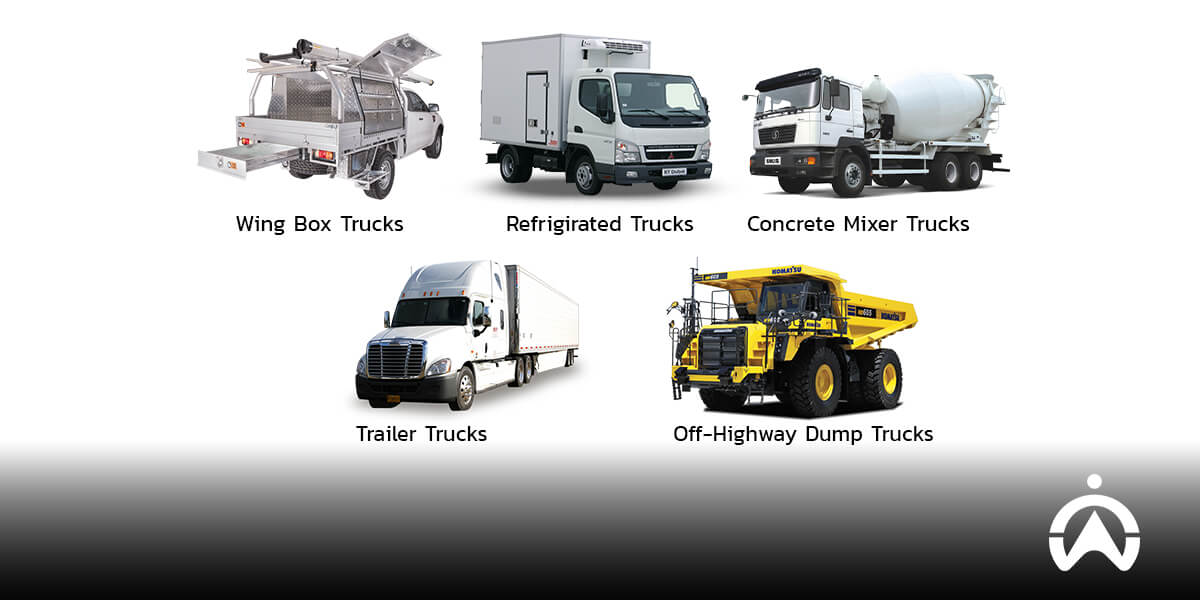
6. Wing Box Truck
The box on this unit can be opened from the side, resembling wings, making loading and unloading easier. The most common use for wing box trucks is for large-scale retail distribution, such as for fast-moving consumer goods (FMCG).
See Also: Know the types of heavy equipment based on its function
7. Reefer Truck
This vehicle features a special box equipped with refrigeration to maintain the temperature of the cargo. Reefer trucks are essential for cold-chain logistics, delivering fresh food, frozen products, and even pharmaceuticals.
8. Concrete Mixer Truck
Featuring a rotating drum, which mixes and maintains the fluidity of the concrete mixture during transit, concrete mixer trucks play a crucial role in industrial projects, ensuring the quality of the concrete is maintained.
9. Trailer Truck
Trailer trucks consist of a truck head, called a tractor head, and a trailer that can have more than 12 wheels. These trucks have a very large capacity, making them suitable for long-distance logistics, large construction projects, and import-export activities.
10. Off-Highway Dumptruck
Specialized vehicles designed to carry heavy loads off-road, such as in mining areas. One example is the haul dump truck, a mining truck with a very large size and capacity.
Types of Trucks Based on Wheel Configuration
Apart from being based on function, trucks can also be differentiated based on their configuration and number of wheels, namely as follows.
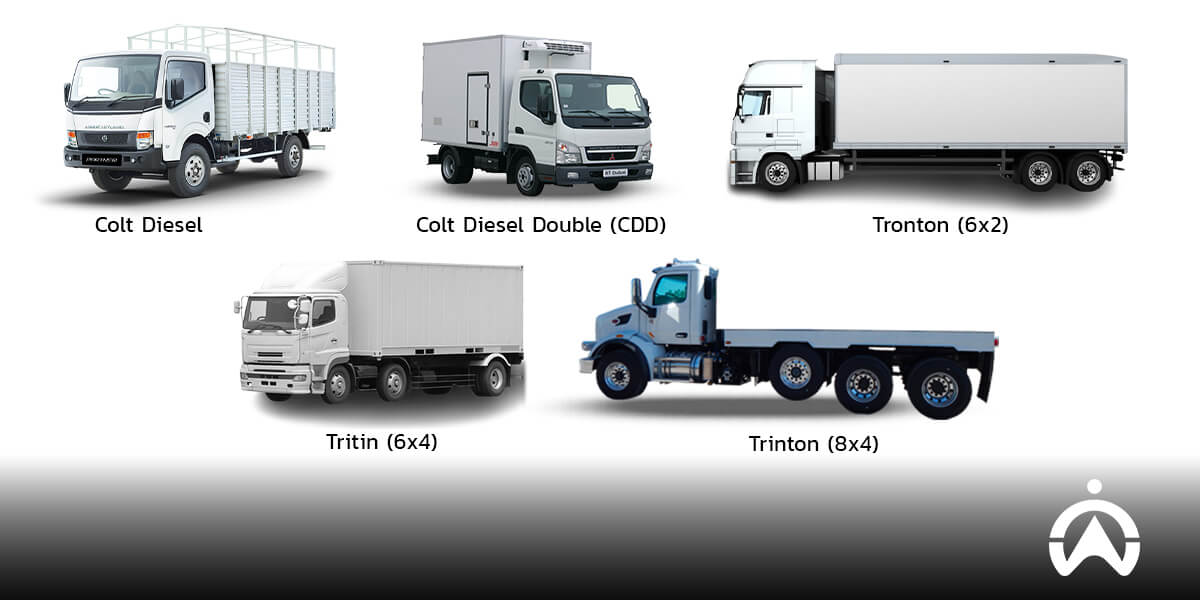
1. Engkel (Colt Diesel)
Configuration: 4×2 (4 wheels, 2 axles, 1-1 configuration)
The term "single axle truck" refers to a two-axle configuration with two wheels at the front and one at the rear. These trucks come in a variety of shapes and functions, from open-bed trucks to closed-bed trucks (box trucks), to tanks.
These vehicles also come in various sizes, from small (1–2.5 tons), medium (2–3.5 tons), to large (4–5 tons). Their size allows single-axle trucks to be used flexibly for short-distance deliveries, such as within cities.
2. Double (Colt Diesel Double/CDD)
Wheel configuration: 4×2 (6 wheels, 2 axles, 1-2 configuration)
Double trucks have six wheels, with two on the front axle and four on the rear axle. The term "double" refers to the rear axle, which has two wheels on each side.
A CDD is a medium-duty truck with a larger capacity than a single axle, but still compact enough for urban roads. Double axle trucks can carry between 4 and 14 tons, making them suitable for medium-scale deliveries.
3. Tronton
Wheel configuration: 6×2 (10 wheels, 3 axles, 1-2-2 configuration)
The tronton is the most common type of cargo truck and is frequently used for various industrial purposes. This vehicle can carry mining products, construction materials, and even agricultural products weighing up to 30 tons.
It has 10 wheels divided into three axles: one at the front and two at the rear. Configuration-wise, the tronton is the opposite of the trintin truck, which has two axles at the front.
4. Eraser
Wheel configuration: 6×4 (8 wheels, 3 axles, 1-1-2 configuration)
The Trintin has eight wheels and three axles in a 1-1-2 configuration, with the front and center axles close together. Four-Wheel Steering (FWS) technology allows all four wheels to be controlled by the steering wheel, improving maneuverability.
This type of truck can carry loads of up to 20 tons over medium distances, such as between cities. Items that can be loaded with a trintin include agricultural products, construction materials, and mining materials.
5. Trinton
Configuration: 8×4 (12 wheels, 4 axles, 1-1-2-2 configuration)
The Trinton is a 12-wheel, 4-axle truck with a 1-1-2-2 configuration, a combination of the Trintin and the Tronton. Like the Trintin, all four front wheels are FWS-controlled, making it just as maneuverable as the Trintin.
You can use the Trinton to transport a variety of materials, from crops to construction materials, with a payload capacity of up to 40 tons. Not only does it have a large capacity, but this vehicle is also suitable for long-distance travel over challenging terrain.
How to Read Truck Wheel Configuration
When describing the truck wheel configuration above, you'll encounter numbers like 4×2 or 6×2, which are often considered confusing. These numbers represent the internationally accepted wheel and drivetrain configuration codes for trucks and buses.
The first number indicates the number of wheels on each axle (left + right), where dual tires are counted as one wheel per side. The second number indicates the number of drive wheels powered by the engine.
For example:
-
4×2 means there are four wheels positioned on two axles, with two drive wheels. For example, on single-axle and double-axle trucks. Although the rear wheels of a double-axle truck have two tires per side, resulting in a total of six tires, the configuration is still considered 4×2.
-
6×2 means there are 6 wheels on 3 axles with 2 drive wheels. For example, a truck with 2 of its 3 axles is equipped with dual tires, making it a total of 10 tires.
-
6×4 means there are 6 wheels, 3 axles with 4 drive wheels. Like the Tri-Trin, the rear axle is equipped with dual tires, bringing the total number of physical tires to 8.
-
8×4 means there are 8 wheels positioned on 4 axles and 4 drive wheels. For example, on a Triton, the two rear axles have dual tires, bringing the total number of physical tires to 12.
Factors to Consider When Choosing a Truck Type
When you want to determine the type of truck for your operational fleet, there are several things you should consider first.
1. Type of load
Each type of cargo requires a different type of truck and a suitable body. Therefore, you need to determine the type of goods to be shipped and estimate the appropriate vehicle type from the outset.
For example, if your company needs a fleet to ship liquid goods, you'll need a tanker truck. If your business focuses on shipping frozen food, you'll need a reefer truck.
2. Load capacity
Indonesia has specific regulations regarding the weight of operational vehicles, and even has scale bridges at certain locations to verify this. Oversized and overloaded vehicles can be impounded, and companies can be penalized.
Furthermore, using vehicles that don't meet their load capacity will leave your fleet vulnerable to damage. To avoid these operational losses, you need to choose trucks that are appropriate for the loads you'll be carrying.
3. Distance traveled and road conditions
The wheel configuration of a truck is closely related to the type of roads it will be used on. If your vehicle will frequently be off-road, you should consider a vehicle suited to that need, such as a tronton (trailer truck).
Furthermore, the distance to be covered during the delivery must also be considered, whether it's for long-distance or short-distance deliveries. Not all trucks are ideal for long-distance deliveries; for example, pickup trucks are only suitable for short distances.
4. Operational cost efficiency
The next consideration is the operational costs you'll incur when choosing a particular truck type. Be sure to also consider the fuel consumption of the unit you choose to ensure efficiency.
Also consider the unit's durability, as it impacts other operational costs, such as maintenance. Choose a truck with high durability, especially if your needs involve heavy-duty work like construction and mining.
5. Compliance and Regulation
Finally, you also need to consider applicable regulations in Indonesia, especially those related to safety standards. Ensure the dimensions of the bodywork (bed, box, etc.) do not exceed the regulatory limits.
Also pay attention to roads that prohibit heavy trucks such as trailers and 3-axle trucks. If the route you are traveling on applies certain restrictions, you will need to adjust the type of vehicle to meet these requirements.
See Also: 9 Types of Cartrack Notifications to Anticipate Emergency Situations on the Road
Manage Multiple Truck Types with Cartrack Fleet Management
For companies looking to own a variety of trucks for various needs, you can manage them all with Cartrack's fleet management software. Some of Cartrack's top truck fleet features include:
-
GPS Tracking: A real-time tracking solution using GPS that allows you to monitor your entire fleet of trucks at once.
-
AI & Non-AI Camera: Visual monitoring solution to ensure the condition of the cargo and also the driver's activities while driving.
-
Fuel Monitoring: Fuel monitoring solutions with multiple sensors to reduce waste and prevent fuel theft and fraud.
-
Cargo Door Monitoring: Monitoring cargo door opening and closing activities to ensure security and early identification of fraud and theft.
-
Tailgate Monitoring: Monitoring the tailgate or rear door that can be lowered to ensure the loading and unloading process.
-
Temperature Monitoring: Monitoring the temperature of the cargo to ensure the temperature is maintained throughout shipping and to prevent damage.
-
Driver Identification: A unique driver identifier in the form of a tag, keypad, or NFC to ensure the truck is only driven by authorized drivers.
-
Maintenance: Special features for routine maintenance management and truck repairs with the addition of a driver-specific application for damage reporting.
-
CarPool: Booking management software that allows vehicle use according to specific needs and schedules.
-
Delivery: Specialized delivery management software that allows you to organize shipments and couriers, track their progress, and receive proof of delivery.
Manage all your truck types in one dashboard with Cartrack. Complete your personal details in the form on this page, and our team will contact you with the best offer.
See Also: Understanding Vehicle Fleets and How to Manage Them Effectively