EN
EN  ID
ID 



What is Cold Chain Logistics and How Has It Evolved?
In the 1700s, villages in Great Britain used community cooling houses to store meat, fruit, and vegetables. Later, in the 1800s, fishermen and farmers used ice to preserve their produce while transporting it from villages to towns for sale.
The method of managing a product's temperature to maintain its quality is known as the "cold chain," while the process of transporting the product while maintaining its temperature to ensure preservation is known as "cold chain logistics" or "chill chain logistics".
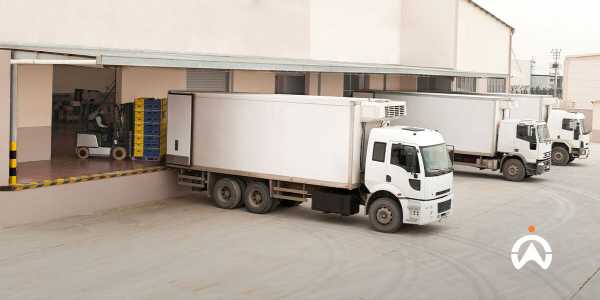
All products classified as "perishable" or "temperature-sensitive" require effective cold chain management to ensure temperature integrity is maintained throughout shipping, transit, and storage, right up to final delivery to the customer. These perishable and temperature-sensitive products include food, beverages, and pharmaceutical products such as:
- Vaccines and other medical products
- Wine
- Desserts (ice cream & gelato)
- Meat and seafood
- Fresh fruits and vegetables
- Milk and dairy products (yogurt, ice cream, cheese, and other fermented products)
Companies that produce, transport, or sell the aforementioned types of goods place great importance on cold chain logistics. This is because temperature-sensitive products are at high risk of rapid spoilage and the loss of their original flavour and quality; furthermore, failure to maintain the required cold chain temperature and environmental conditions poses a risk to public health and ultimately results in financial losses.
Also Read: Understanding FTL and LTL Methods in Large-Scale Goods Delivery
Five Elements of Cold Chain Logistics
Cold chain logistics is a process involving a series of tasks—such as preparation, storage, transportation, and monitoring—required for temperature-sensitive products. The success of cold chain logistics depends on the ability to control vehicle or cargo temperatures throughout the entire process, ensuring the products remain in good condition upon delivery to the end customer.
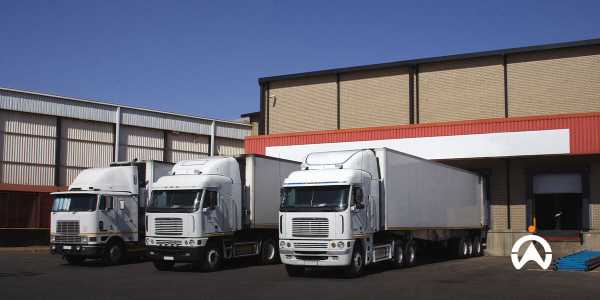
There are five (5) supporting elements that you must pay attention to so that the process of transporting temperature-sensitive products can run smoothly.
1. Cooling System
It is a system used to ensure that the product temperature meets the specified requirements, ensuring that the product is at the right temperature in all aspects. , including processing, storage, and transportation. Some food categories that require certain cold temperatures:
– Tropical fruits such as bananas or pineapples can ripen during transport, so they require a stable temperature range between 12° and 14°C.
– Vegetables, fruits, dairy products and meat should be refrigerated at a temperature of around 2° to 4°C.
– Meat, bread, cakes and other products that need to be frozen require temperatures between -10° and -20°C.
– Seafood, ice cream, and some frozen foods require temperatures between -25° to -30°C.
2. Cold Storage Unit
Temperature-sensitive products must be stored in appropriate conditions during the interim period—prior to being transported for further processing or distribution to the market. Cold storage facilities and equipment—such as medical refrigerators, freezers, refrigerants, insulated containers, cold rooms, and chillers—are examples of the systems used to maintain and preserve temperature-sensitive products.
3. Cold Chain Management
Cold chain packaging systems—also known as refrigeration technologies—are designed to maintain products at specific temperatures, whether cool or frozen. This is achieved through the use of gel packs, dry ice, liquid nitrogen, eutectic plates, and various insulating covers.
4. Cold Transport
Good for needs both locally and globally, cold transport will keep cold products at a stable temperature by controlling their humidity levels. There are several ways to transport products
– Refrigerated trucks or trailers
– Refrigerated cargo ship
– Air cargo cold transport also uses Internet of Thing (IoT) devices for temperature tracking and monitoring to provide data real time necessary to ensure consistent temperatures, maintain product quality and integrity, and maintain regulatory and safety compliance. You can add temperature sensors from Cartrack to help monitor the temperature inside your cargo.
Also read: Providing Various Additional Sensors, Cartrack Gives Full Control Over Vehicles
5. Cold Processing and Distribution
It involves maintaining the appropriate temperature from the moment products are received from suppliers until the cargo is unloaded from trucks, trains, or aircraft onto pallets or crates, and subsequently moved into storage before being delivered to the end customer. Cold processing and distribution facilities enable multiple suppliers and distributors to ship chilled products to various destinations to meet B2B or B2C customer demand.
Enhance your cold chain logistics business with Cartrack Temperature Sensors today! Contact our marketing team at 021 3973 0230 or click the WhatsApp link below.