EN
EN  ID
ID 


In vehicle maintenance, we're familiar with the term corrective maintenance, which is the opposite of the preventive maintenance we discussed earlier. Corrective maintenance, as the name suggests, is maintenance that repairs damage.
This time, we'll discuss corrective maintenance in more detail, including its definition, types, benefits, disadvantages, and steps. Find out more in the following article!
What is Corrective Maintenance?
As the name suggests, corrective maintenance aims to repair damage that has already occurred. In other words, this maintenance is performed when damage has been detected or discovered and repairs must be made immediately.
So, under what conditions are corrective maintenance actions carried out?
-
Unforeseen breakdown: When your vehicle experiences significant damage that prevents it from continuing its journey or operating properly. Example: A vehicle breaks down while making a delivery.
-
Performance issues: If a part is no longer working optimally, repairs are needed to prevent further damage. For example, if a vehicle isn't accelerating, the cause needs to be identified and repaired.
-
Potential safety issue: When you find minor signs of damage that could pose a safety threat. Example: A damaged wiper, which could pose a safety hazard when driving in the rain.
-
After a routine inspection: You may discover damage during a routine inspection, in which case corrective maintenance may be necessary. Example: A brake fluid leak is discovered during a routine inspection.
Also Read: Preventive Maintenance: The Solution for a Long-Lasting, Durable Vehicle
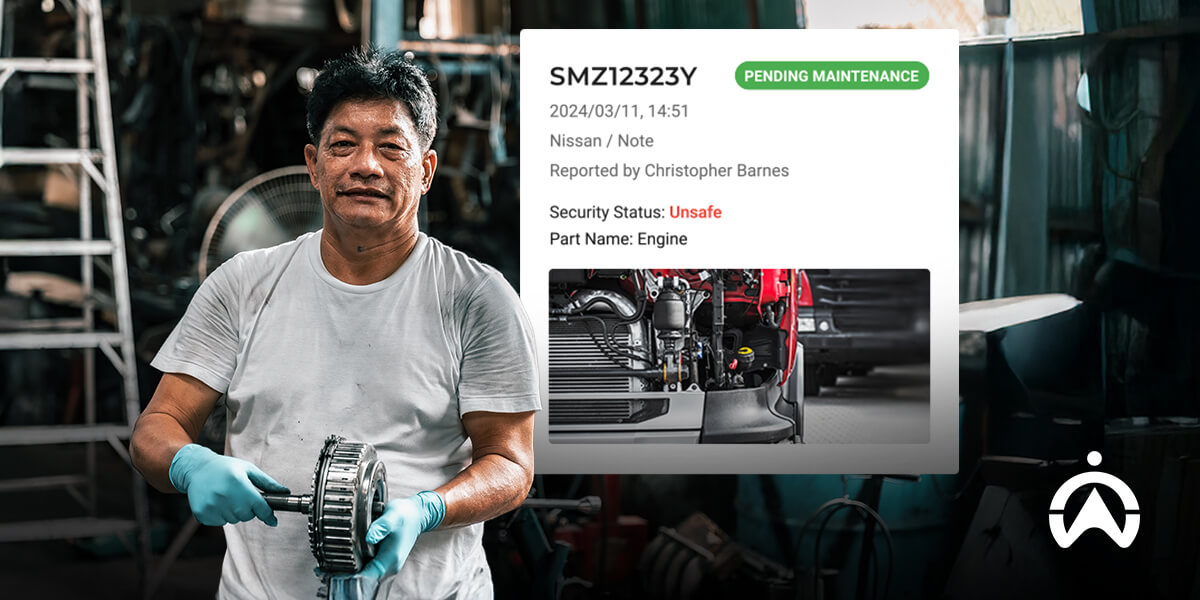
What are the Types of Corrective Maintenance?
By knowing the conditions above, there are two types of corrective maintenance that can be carried out, namely planned and unplanned.
Planned Corrective Maintenance
Planned corrective maintenance is performed when you know or detect a fault, but it's not necessary or possible to repair it immediately. In this case, the vehicle may remain operational while you schedule repairs, order parts, and prepare an operational replacement.
Example of planned corrective maintenance:
-
Repairing an AC that is no longer cold
-
Brake pad replacement due to thinning found during routine inspection
-
Replacing damaged wipers before entering the rainy season
-
Inspection and repair because the vehicle cannot reach optimal speed.
Unplanned Corrective Maintenance
Unplanned corrective maintenance is performed when a major breakdown occurs suddenly while the vehicle is in operation, and is sometimes referred to as breakdown maintenance. This requires immediate repairs to ensure the vehicle can continue its journey.
Example of unplanned corrective maintenance:
-
Replacing a tire that bursts while traveling
-
Vehicle broke down during delivery
-
Brakes failed while operating.
What are the Benefits of Corrective Maintenance?
Even though it is carried out after damage occurs, corrective maintenance has several benefits, such as:
1. Ensure operational continuity
With repairs, the vehicle can resume its journey and complete operational tasks. Although downtime is unavoidable, the vehicle can still return to service after the repairs are complete.
2. Right on target
Repairs will be more targeted because you already know the extent of the damage. This way, repairs can be made directly to the affected area without having to inspect the entire vehicle.
3. Improve performance
When corrective maintenance involves replacing parts, vehicle performance typically improves. This allows for smoother operations and increased efficiency.
4. Extend the service life of the vehicle
With repairs, your fleet can return to full operational functionality. In other words, your vehicle's lifespan will be extended, allowing you to postpone replacement.
What are the Disadvantages of Corrective Maintenance?
Apart from the benefits above, corrective maintenance also has disadvantages, namely the following:
1. Potentially disrupt operations
With damage already occurring, downtime is often unavoidable, requiring you to reschedule your trip. In some cases of sudden breakdowns, you may also need to dispatch a replacement fleet to maintain operations.
2. High repair costs
Especially in the case of sudden breakdowns due to a lack of preventive maintenance, the costs are usually significant. This is because the cause of the damage may be more than just one component, requiring multiple repairs.
3. Risk of complications and decreased function
Once damage has occurred, it's possible that other related damage will occur, making repairs longer and more expensive. Furthermore, improperly installed spare parts can also lead to decreased function and performance.
What are the Corrective Maintenance Measures?
Next we will go into the process or steps involved in carrying out corrective maintenance.
1. Identify the problem
Problems or damage can be discovered during routine inspections, or when the damage causes problems while driving. Conduct further inspections to determine the problem.
2. Further examination
Once you discover a problem with your vehicle, you should immediately conduct further inspections to find the source. Once you know which part needs repair, you can determine the corrective action to be taken.
3. Preparation of tools and materials
Certain repairs will require tools and materials you may not have on hand. If the repair requires replacement parts, you may need to purchase or order them in advance.
4. Repair and replacement process of spare parts
If spare parts are available, you can immediately make repairs by following the correct installation steps. Pay attention to other parts connected to the replaced part to avoid causing further damage.
5. Test and verification
Once the repairs are complete, test drive the vehicle to ensure it's roadworthy. Also, be sure to test any other parts that might be affected by the repairs.
You should perform preventive maintenance after repairs are complete to prevent unexpected damage from recurring. This will also maximise the vehicle's lifespan.
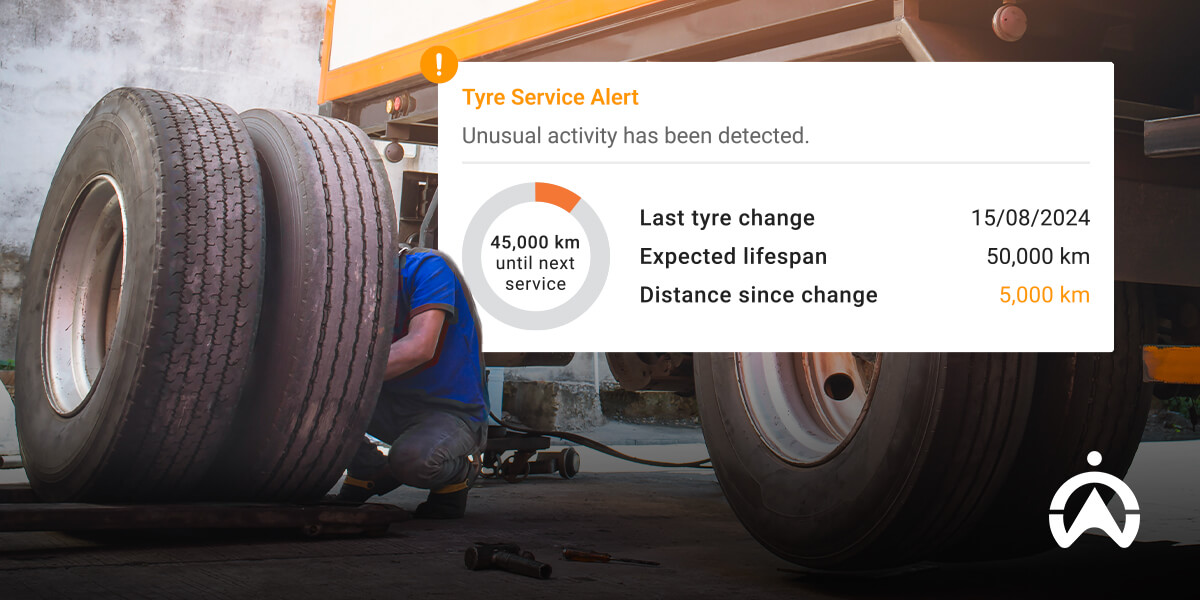
Cartrack Maintenance Features: Efficient Maintenance of Your Fleet
One of the advantages of Cartrack's Fleet Management System is its Maintenance feature, which allows you to easily manage fleet maintenance. Some of its advantages include:
-
Preventive maintenance automation: You can schedule regular routine checks based on mileage and last service time.
-
Ensure vehicle roadworthiness: Access real-time engine diagnostic data and schedule inspections to prevent unexpected breakdowns.
-
Manage vehicle maintenance: Drivers can request vehicle repairs through the app, making it easier for managers to schedule inspections and repairs.
Cartrack's Fleet Management System is more than just a GPS with Maintenance features, but also comes with various additional features according to your needs, such as:
-
Camera monitoring (AI and Non-AI Vision)
-
Fuel Monitoring
-
Delivery management
-
Cost management (MiFleet)
-
Immobiliser (Start Prevent).
-
dll.
Read also: Vehicle Maintenance: Prevent Breakdowns & Unexpected Costs
That concludes our discussion of corrective maintenance, which is the opposite of preventive maintenance. This maintenance is repair-oriented and is only performed after a problem or damage occurs to a vehicle.
With the Maintenance feature in Cartrack's Fleet Management System, you can manage your vehicle maintenance more easily. Get a complete fleet management and monitoring solution from Cartrack. Complete the form below and our staff will contact you!