EN
EN  ID
ID 



You're probably familiar with the term "fleet," which refers to a company's collection of operational vehicles. For example, the trucks owned by a logistics and shipping company and the sedans owned by a taxi company.
However, do you know what exactly is meant by a vehicle fleet and how to manage it efficiently?
This time we will discuss vehicle fleets in more detail, starting from the definition, tips for choosing, how to maintain them, to fleet management technology.
Definition and Types of Vehicle Fleets
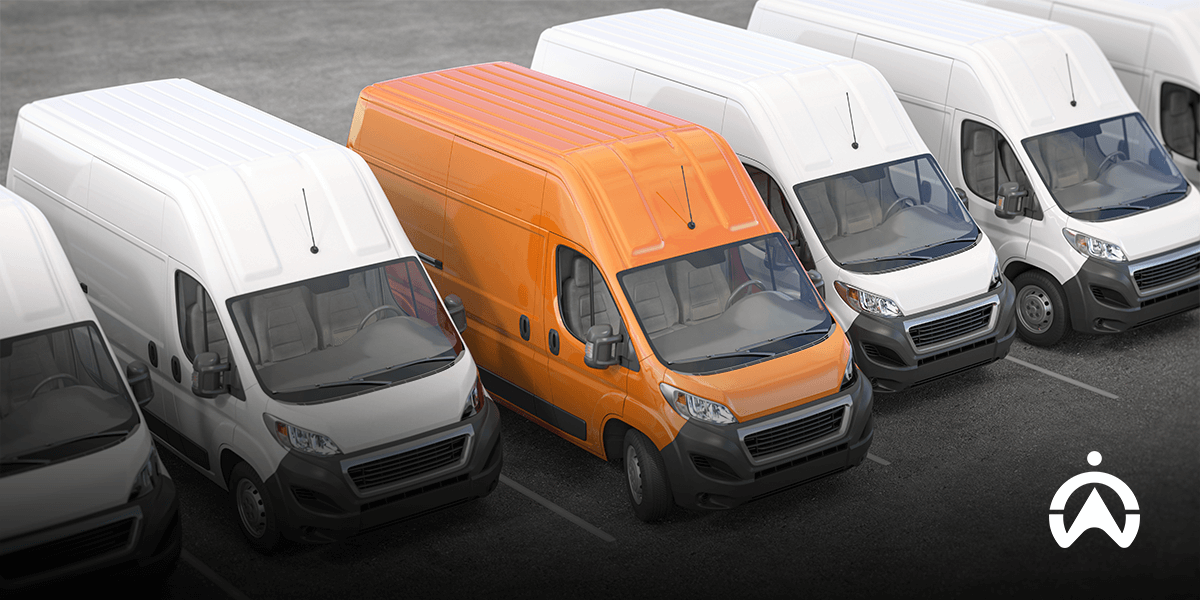
In general, a vehicle fleet is a collection of units owned or leased by a business or institution to support its operational activities. Examples include rental cars/motorcycles, tour buses, taxis, and logistics trucks.
Based on their function, vehicle fleets are generally divided into two categories:
-
Freight transport → Used to transport goods from one location to another. For example, logistics trucks are used to deliver goods from factories to warehouses, and box trucks are used to transport goods from warehouses to retailers.
-
Passenger transportation → Used to transport people, both short distances (within the city) and long distances (between cities/islands/countries). For example, city taxi companies and inter-city bus companies with inter-city coverage.
How to Choose the Right Fleet for Your Business
If you are planning to start a transportation or delivery business, here are some important things you need to consider when choosing a vehicle:
1. Adjust to the type of business
First, choose a vehicle that suits your business, as each transportation business requires a specific type of vehicle. For example, choose a truck for a logistics business, and an MPV (Multi-Purpose Vehicle) for a car rental.
2. Calculate operational needs
Next, you'll also need to consider operational requirements, such as the number of units needed, their capacity, and other technical specifications. This will also depend on the scale of your business.
3. Consider fuel efficiency and maintenance costs
You also need to consider fuel efficiency and maintenance costs for your fleet. Make sure you choose a unit that's fuel-efficient and requires minimal maintenance to ensure efficient fleet operations.
4. Check after-sales service support
The availability of service centers and spare parts is another important consideration. Choose a brand with a network of authorised repair shops to facilitate servicing and purchasing spare parts when needed.
5. Consider the options of buying vs leasing a fleet
Besides purchasing, you can also consider leasing a business vehicle through a long-term rental. This option offers flexibility, lower initial costs, and savings on maintenance costs.
Also Read: Best Fleet Management: How to Maximise Revenue
Vehicle Fleet Management and Its Challenges
Once an operational unit is in place, the next focus is how to manage it efficiently. Typically, businesses implement fleet management, which is handled by a fleet manager.
In general, fleet management is the process of managing a company's operations to improve efficiency, security, and driving safety. Fleet management presents its own challenges, such as:
1. High operational costs
In operation, a fleet of vehicles requires fuel, servicing costs, driver salaries, and so on. All of these require significant costs, so you naturally want to improve efficiency.
Unfortunately, what often occurs in the field is wasteful fuel consumption and even fuel theft, which is detrimental. If not monitored and addressed, this problem has the potential to cause long-term operational losses for companies.
2. Risk of damage or loss of vehicle
Poor driving behaviour often leaves your fleet vulnerable to damage. Idling, frequent speeding and sudden braking, and overloading will accelerate damage.
Furthermore, the risk of theft is also very likely, especially since you entrust the keys directly to the driver. The risk of loss increases even further if the driver doesn't prioritise security, for example when parking.
3. Coordination with the driver
Another challenge in managing a company fleet is coordinating with drivers. Without GPS, you can only track deliveries through direct chat or phone communication, which can be dangerous while driving.
Meanwhile, drivers are very likely to engage in unsupervised, unprompted actions, such as choosing inefficient routes. This will directly impact delivery times and fuel waste.
Effective Fleet Management Tips for Smooth Operations
So, how do you overcome these challenges? Here are some effective tips you can apply.
1. Preventive maintenance
Perform regular preventative maintenance, including regular inspections, oil and brake fluid changes, and routine cleaning. This helps prevent sudden breakdowns due to undetected conditions.
2. Operational schedule management
Schedule your vehicle's operations so that it's not too busy, ensuring optimal vehicle condition. Busy operating hours can leave your vehicle vulnerable to engine problems and sudden breakdowns.
3. Monitoring fuel consumption
Fuel is one of the largest operational expenses if you have a transportation-related business. Without close monitoring, waste and costly fraud are highly likely.
4. Driver training and evaluation
Driving behavior not only impacts fuel consumption but also the durability of the vehicle. Therefore, you need to provide training when hiring drivers and conduct regular performance evaluations.
5. Use of technology
To make it easier to manage your operational fleet, using a Fleet Management System is highly recommended. From GPS trackers to various IoT sensors, you'll be able to monitor your fleet comprehensively.
Also Read: What is the Impact of IoT on Fleet Management Systems?
Fleet Management System Solution from Cartrack
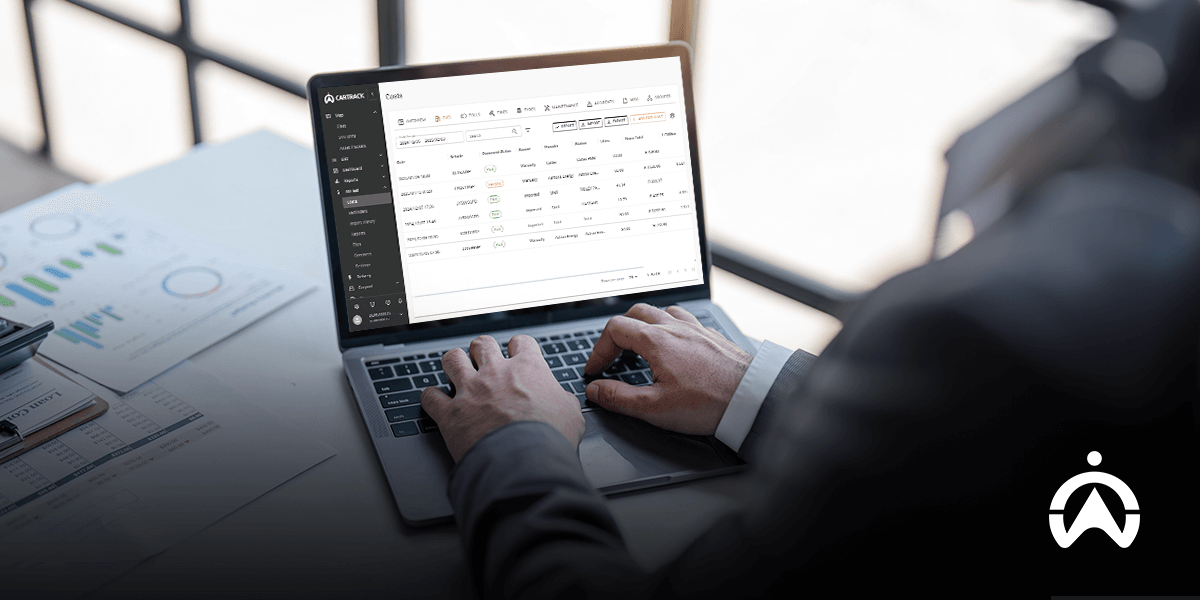
To address the various challenges in fleet management, Cartrack presents an integrated fleet management solution that saves time, costs and effort.
Cartrack's Fleet Management System technology utilises telematics such as GPS, sensors, software, and Artificial Intelligence (AI) to facilitate monitoring and improve operational efficiency.
Here are the superior features that can help your business:
1. GPS Tracker
A real-time tracking solution that allows you to track your vehicle's location in real time, complete with driving data. You'll know the vehicle's speed, as well as whether the driver is speeding, braking hard, or idling.
2. Fuel Monitoring
Accurately monitor your fuel usage with three sensor options tailored to your vehicle's make and model. Fuel sensors make it easy to detect fuel theft.
3. AI Vision
Dashcams and cameras with Artificial Intelligence (AI) can detect risky driving behaviors, such as cell phone use, smoking, or drowsiness, which can compromise road safety.
4. Start Prevent
If GPS monitoring indicates your vehicle is in an inappropriate location, it could indicate theft. You can disable the remote start so the vehicle won't start again after the thief has turned it off.
5. Delivery
Cartrack's Delivery Management System makes it easier to manage your deliveries. You can schedule deliveries, optimise routes automatically, and even track the courier or driver's movements live.
6. Mi-Fleet
Mi-Fleet validates data related to fuel filling and usage. This feature will help you identify waste points, as well as indications of fuel theft and misuse.
A fleet is a collection of vehicles used by a business/company to maintain operational continuity. Fleet management, including Fleet Management System technology, is used to manage them.
With Cartrack's comprehensive solution, you can monitor, manage, and optimise your company's fleet from a single platform. Consult your needs now and find the best solution for your business by clicking the link below!