EN
EN  ID
ID 


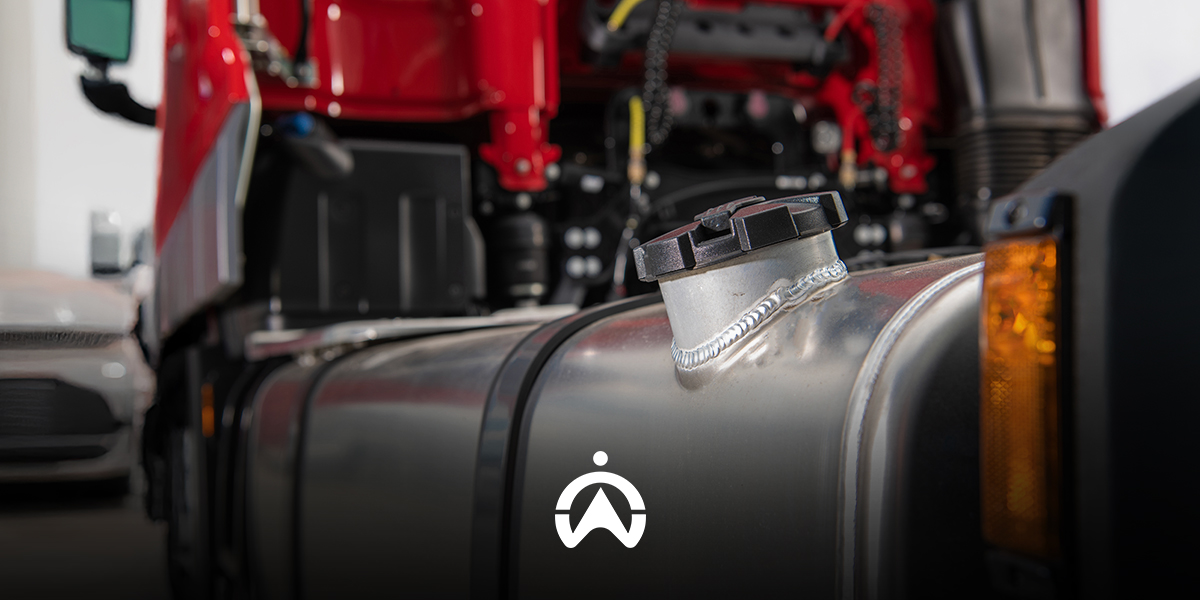
Many fleet businesses don't know where and when fuel is being stolen, are unaware of fuel siphoning, and ultimately lead to spikes in fuel consumption. Fuel monitoring systems (Fuel Monitoring System) will help you monitor fuel consumption levels accurately, detect possible fuel theft, and significantly reduce fuel costs.
Let’s discuss why a fuel monitoring system can be useful for our business!
What is the purpose of a fuel monitoring system?
According to experts, the most important cost variable in the transport and logistics industry is fuel. Unmonitored fuel usage can lead to increased expenses and wasted operational costs. Conversely, good fuel management can help prevent a business from going bankrupt.
What is fuel consumption monitoring? Fuel monitoring means taking all possible steps to control fuel usage across the entire fleet. Essentially, it is about knowing where every drop of fuel is used.
There are many ways for fleet managers to monitor fuel. For example, they can use Fuel Monitoring System in real-time which is usually called a platform
But first, let’s look at some risks of fuel wastage:
Fuel Theft Methods and Risks
- Siphoning: This method is one of the most common fuel theft techniques in Indonesia. It is usually carried out using a hose to siphon petrol or diesel from the tank into a container. The purpose is to steal the fuel and transfer it into another vehicle.
- Fake transactions: This can occur when a fuel station swipes a fuel card multiple times for a single refuelling session, making the cardholder responsible for each transaction of fuel they did not actually receive.
- Fuel card fraud: Fuel card fraud occurs when someone uses a company fuel card to purchase fuel for their personal vehicle.
- Fuel card cloning: Fuel card cloning is also a common method of fraud. In this case, fuel card data is stolen to create a duplicate card, which is then used to refuel other vehicles at the expense of the original cardholder.
Why is a fuel monitoring system beneficial for business?
- Basic cost savings: Fuel is one of the largest expenses in a fleet business. With fluctuating fuel costs, managers need to control the amount of fuel used in trucks. Inefficient fuel usage can affect business productivity and negatively impact profits. For example, if a business spends excessively on fuel, it will have less money to allocate to other areas of the business.
- Monitor fleet operations: With a Fuel Monitoring System, you can see where trucks are and whether they are operating efficiently. Business owners can assess how the fleet consumes fuel and take action against fuel inefficiencies immediately. For example, if a business owner has two drivers travelling to the same destination in identical vehicles, and one uses more fuel than the other, they can take further action using this GPS data to prevent fuel waste in the future.
- Identify risky driver behaviour: In addition to monitoring fuel consumption, fuel monitoring system software can also provide insights into driver behaviour. By tracking drivers’ behaviour on the road and highlighting poor driving habits, it can help improve unsafe driving behaviour and increase fuel efficiency across the fleet.
- Reduce engine idling: One of the main causes of unnecessary fuel waste is leaving the engine running while a vehicle is stopped for a long period. A Fuel Monitoring System helps identify how long a truck has been idling, measures the amount of fuel used, and notifies drivers so they can reduce fuel waste and unnecessary engine running.
- Simplify fuel tax reporting: If fuel expenses are significant, administrative work increases, especially when preparing reports on fuel rates and taxes. Submitting reports requires extensive information on when and how far the fleet has travelled during the year. Don’t worry! With integrated advanced technology, a Fuel Monitoring System can generate reports in a short time. Through the fuel monitoring process, fleet managers can simplify fuel usage reporting tasks.

How does a Fuel Monitoring System work?
It is important to know that a fuel level sensor is installed directly into the fleet’s fuel tank so that it can monitor the fuel volume in real time.
Here is how the fuel sensor from Cartrack Indonesia works:
-
-
The fuel sensor (fuel probe) is installed inside the vehicle’s fuel tank by a technician to monitor fuel levels.
-
The fuel sensor measurement system has a tube connected to the sensor.
-
When fuel is added, it fills the tube and the surrounding space.
-
After three refills have taken place, the sensor is calibrated and ready for use.
-
Any decrease or increase in fuel levels is accurately measured by the sensor.
-
The sensor sends information about the fuel level in the tank to our telematics system.
-
The following data can be obtained from our system: litres, vehicle location, and tank capacity.
-
All of this data is sent to the Cartrack Indonesia platform and can be compiled into reports.
-
Notifications can be set up to monitor any fuel loss or fuel additions and can be sent via email or SMS.
-
Interested in installing a fuel sensor or using a Fuel Monitoring System for your fleet? Click the link below!