EN
EN  ID
ID 


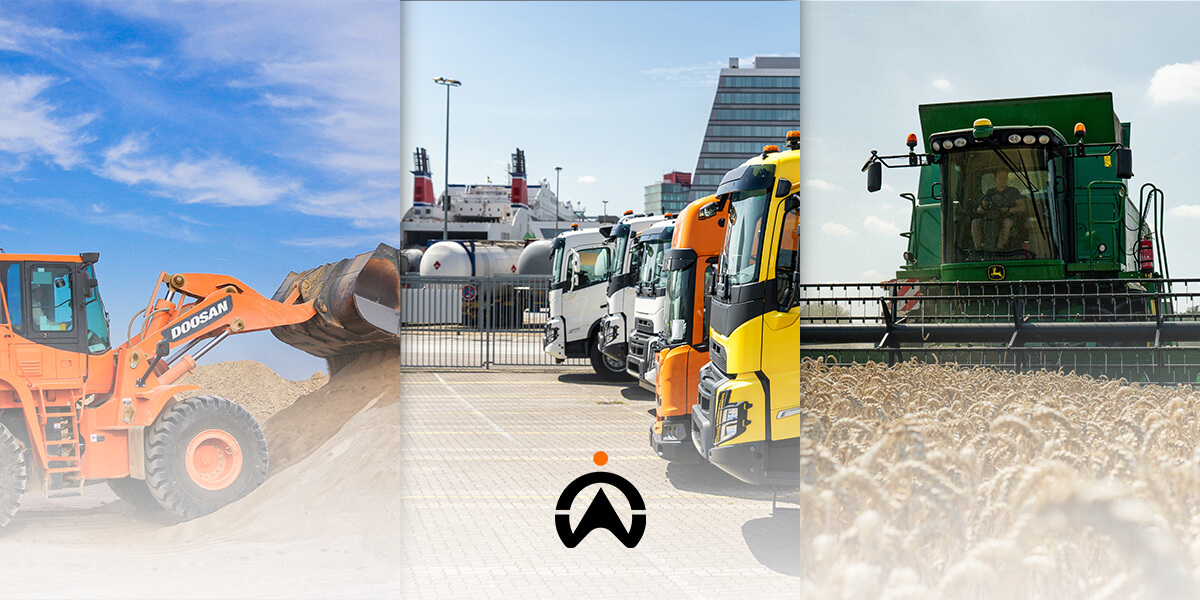
Delayed deliveries, underutilised assets, time delays due to irregular maintenance, and endless paperwork – can occur due to the absence of a fleet asset management system.
Understand the importance of a fleet asset management system and how it will transform your fleet operations.
What is fleet asset management?
While 'asset management' typically refers to the wealth and possessions owned by an individual or organisation, fleet asset management is a method fleet managers use to properly oversee all of their business assets, ensuring they are accounted for, in good working condition, and utilised in a balanced manner to consistently generate positive returns and avoid costing the business more than necessary.
Fleet asset management involves monitoring, maintaining, and strategically utilising every vehicle in a fleet. All of this is necessary to improve operational efficiency, reduce costs, and extend asset life.
What is considered a business asset?
The assets mentioned here can be divided between physical assets such as physical tools, vehicles, etc., and intangible assets, such as the software used.
Physical assets consist of various objects, here are some types:
Vehicle
- Cars, trucks, vans, buses, motorcycles, etc.
- Trailers, semi-trailers and other towed equipment
- Construction equipment, such as bulldozers, excavators, and cranes
- Material handling equipment, such as forklifts and pallet jacks
Equipment
- Tools used for maintenance, repair, and various tasks
- Mobile technology gadgets, such as tablets and scanners
- Communication devices, including radios and GPS trackers
- Office equipment, such as computers and printers
Infrastructure
- Garages, workshops and other facilities such as work locations
- Owned storage and refueling stations
- Parking lot and loading dock
- Offices and administrative buildings
Intangible assets are those that do not have a physical form but still have significant value to the business:
- Software and technology like the fleet management software being used
- Data and analytics obtained from vehicle telematics, fuel card transactions, etc.
- Intellectual property (IP) such as business trademarks and patents
What is the importance of fleet asset management?
Fleet asset management ensures that every vehicle is operating smoothly, equipment is in top condition, and machinery continues to run smoothly.
Proper management of these assets is not just a task, but a crucial part of driving a fleet towards success. Without it, the rhythm of operations can become disrupted, with breakdowns, delays, increased costs, and many other factors impacting profitability.
Benefits of using fleet asset management software
-
Monitoring of all assets
-
Asset management from any location
-
Provides insights for strategic fleet risk planning
-
Improved time management
-
Fleet performance monitoring
-
Life cycle tracking and cost of acquired fleet assets
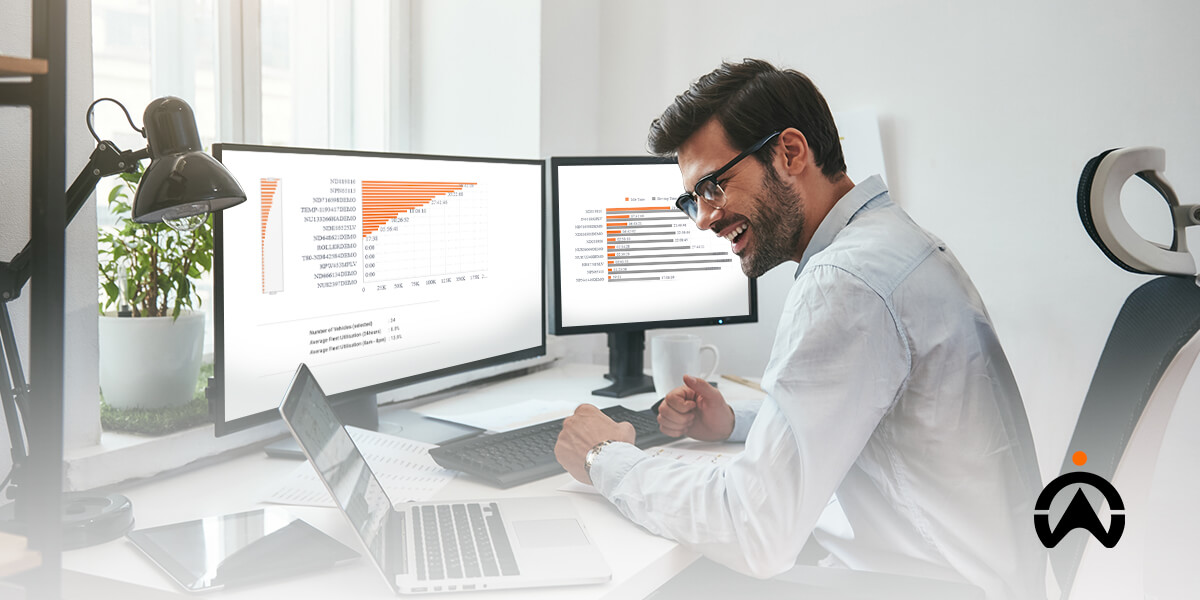
How is fleet asset management different from general fleet management?
Let's imagine asset management of a fleet as a guard watching over all valuable resources, and fleet management as the skilled expert handling specific vehicle and machinery challenges.
Asset management looks at the big picture, maintaining everything from vehicles to machinery and even office equipment. Asset management ensures everything is in the right place, performing optimally, and contributing to overall success.
Fleet management, on the other hand, focuses on the unique challenges of vehicles and machinery. It ensures fleet operations run smoothly, addressing issues such as maintenance, fuel efficiency, and driver behaviour.
How to establish an asset management plan?
To better manage your assets, you need to create an asset management plan. Carefully designing a plan for managing your fleet assets can increase productivity and extend the lifespan of your resources. This strategy is useful for creating a more sustainable and effective business model and unlocking the full potential of your assets.
Here's a simple six-step guide to optimal asset performance:
- First, clearly define your fleet goals and ensure they are specific, measurable, achievable, and time-bound. This forms the basis of your plan.
- Next, examine your current fleet, considering factors such as vehicle type, age, condition, and usage. This assessment helps identify areas for improvement and opportunities for savings.
- It's important to track vehicles, equipment, and machinery and create a detailed inventory of everything. To do this, use technologies like GPS, telematics, and the Internet of Things (IoT) to monitor them in real time.
- Plan regular fleet maintenance to keep vehicles in good condition and avoid unexpected breakdowns through preventative maintenance. Train drivers on safety and fuel efficiency, and ensure they follow traffic laws.
- Control operational costs by monitoring fuel usage, maintenance, and fleet costs such as speed limits and insurance costs.
- Prepare for emergencies with a contingency plan. Review and update your fleet asset management plan regularly to adapt to changes and improve it over time to reflect current conditions.
Determine the type of fleet asset management
To better understand it, there are several types of fleet asset management, including physical asset management, financial asset management, human asset management, and contractual asset management.
Let's break this down in a little more detail:
- Physical asset management: Focuses on monitoring physical assets such as vehicles and equipment to ensure longevity and efficiency.
- Financial asset management: Involves managing financial instruments such as stocks, bonds, and cash to optimise investment portfolios.
- Human asset management: Involves the administration of human resources, including employees or contractors, and skills within an organisation to improve workforce performance and development.
What factors contribute to effective fleet asset management?
Effective asset management includes strategic oversight of vehicles, equipment, and machinery. This comprehensive approach is the foundation of a successful business. We must ensure that these assets are not merely operational tools but critical components that contribute to the overall success and sustainability of the company.
- Operational efficiency: Carefully organise and monitor vehicles and machinery. Whether it's delivery trucks or heavy equipment, a well-structured system reduces downtime and maximises productivity.
- Cost savings: By implementing a preventive maintenance schedule, monitoring fuel consumption, and proactively addressing potential issues such as risky driver behavior, you can significantly reduce operational costs.
- Asset lifespan: Regular maintenance and timely repairs contribute to asset longevity. This not only protects the initial investment but also reduces the need for frequent replacements, resulting in long-term savings.
- Safety compliance: Asset management ensures fleet compliance with safety regulations. This ranges from routine inspections to implementing safety features. Compliance with standards protects assets, employees, and the business's reputation.
- Data-driven decision-making: Using technology for asset management generates valuable data insights. Real-time tracking, performance analytics, and predictive maintenance empower you to make informed decisions, enriching your overall business strategy.
- Resource optimisation: Allocate resources effectively by understanding asset usage patterns. Whether deploying vehicles for optimal routes or scheduling maintenance during off-peak hours, resource optimisation improves operational efficiency.
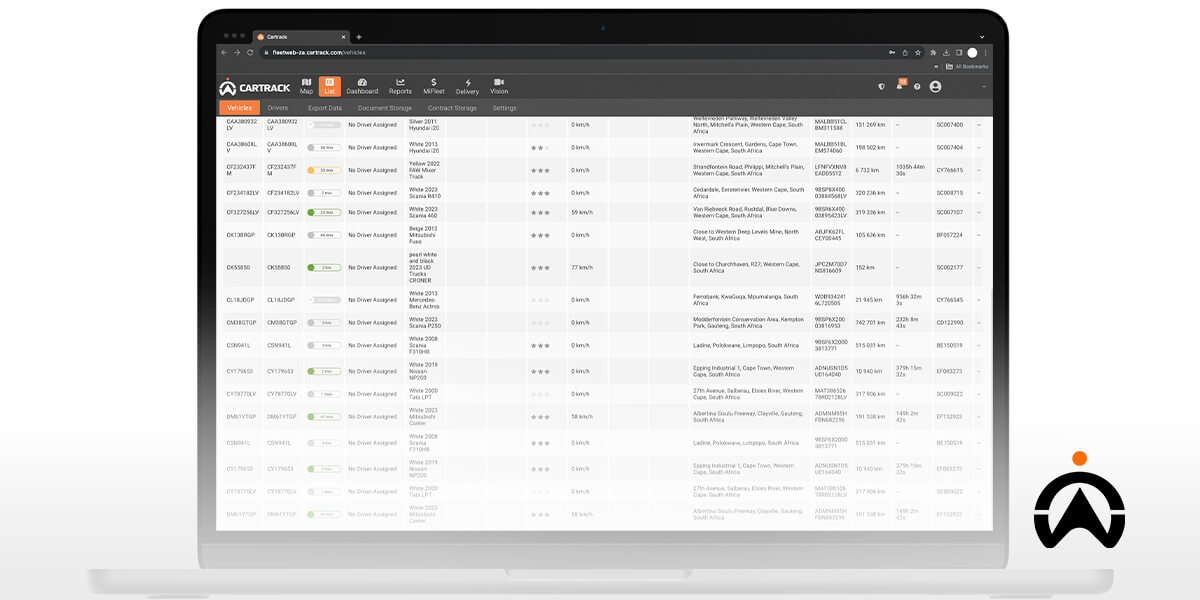
Fleet asset management from Cartrack Indonesia
Cartrack Indonesia's leading fleet management software is the perfect choice for any business looking to manage its assets smoothly. Cartrack Indonesia's comprehensive solution is specifically designed to meet all your needs and take fleet management to the next level.
Here are 5 ways Cartrack Indonesia helps you gain full visibility and control over all your assets:
-
Proactive maintenance: Cartrack Indonesia's predictive maintenance can anticipate potential vehicle issues before they become critical. Through advanced equipment data analytics, all equipment data is analysed to predict when service is needed and immediately notify fleet managers. For example, predictive maintenance can identify worn parts on forklifts and immediately notify fleet managers to take preventative action with replacements. This prevents costly and unexpected breakdowns, minimises downtime, and maximises asset life.
-
Fleet management platform: See asset usage patterns with Cartrack Indonesia's fleet management platform and ensure assets are used evenly by scheduling them remotely across all project sites. This way, you can spot underused assets, like cranes, and quickly allocate them to busier projects.
-
ID Tags: Cartrack Indonesia's driver ID tags help restrict machine use to authorised operators only. These uniquely identify drivers to fleet managers, allowing them to know which drivers are operating their vehicles/machines, and ensuring only trained and authorised personnel operate the equipment, enhancing asset security and safety.
-
Asset Tracking: Cartrack Indonesia uses GPS and IoT sensors to get real-time location data and information about equipment conditions. This boosts inventory management, improves security against theft, and helps with preventive maintenance.
-
Geofence: Create virtual boundaries around work sites, restricted zones, or other important areas using Cartrack Indonesia's geofencing technology. Notifications are sent to fleet managers whenever assets enter or leave these digitally set boundaries. This helps prevent potential theft and allows managers to keep track of vehicle activity.
Turn assets into profits with Cartrack Indonesia
Get complete control and visibility over every vehicle, piece of equipment, machine, and fleet. Choose Cartrack Indonesia for fleet asset management and experience a new era of efficiency, cost savings, and peace of mind.
Use Cartrack Indonesia! Find out more with Click the following link!