EN
EN  ID
ID 


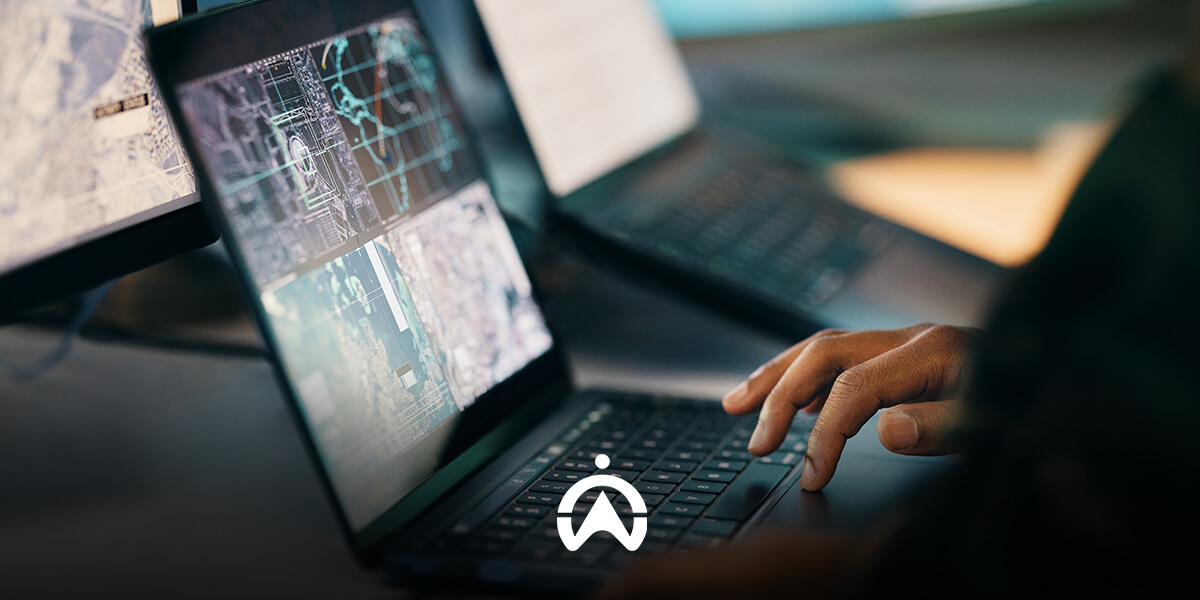
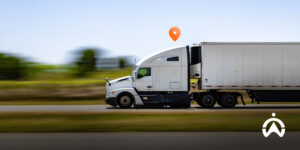
Vehicle tracking software is reliable for monitoring large fleets of vehicles, optimising management operations, and significantly reducing fleet costs. A vehicle tracking system or tracker is a technology that helps you stay informed about the location of vehicles at all times, thereby improving their security. Thanks to satellites, signals, and tracking units, you get a global GPS tracking system that can accurately determine geographical locations in real time, at any time.
GPS – also known as a global location system. It's used to track your trucks, cars, and other mobile assets, such as generators, trailers, and cement mixers, all through a small GPS tracking unit installed in an inconspicuous location on the company's assets.
Benefits of Using a GPS Tracker
Tracking units or GPS Trackers provide various benefits for fleet managers and their businesses, such as:
-
Viewing the exact location of vehicles or fleets.
-
Reducing the risk of vehicle theft.
-
Increasing the chances of recovering stolen vehicles.
-
Knowing exactly who is driving and how they are driving.
-
Ensuring the fleet remains within authorised locations.
-
Improving productivity through task management.
-
Ensuring vehicles are used correctly and left in a safe location when not in use.
So, how is a vehicle tracked? The GPS technology we just discussed above is a satellite-based radio navigation system that relies on ground stations, satellites, and receivers to provide real-time data such as:
-
Live location
-
Distance travelled
-
Travel speed
-
Time and direction
This data is transmitted directly using cellular or wireless networks. This type of technology is mainly used to improve vehicle security and is effective in ensuring smooth fleet operations. It helps businesses save money and reduce dangerous driving behaviour such as speeding or harsh braking.
Understanding the types of drivers in a business is useful for fleet management when hiring safe drivers, as it can reduce vehicle repair costs, which in turn can increase commercial profits and make the business operate more efficiently. Meanwhile, careless drivers require additional training or management and contribute to higher fleet operating costs for the business.

Types of Tracking Methods
If you want to invest in tracking resources, it is important to first identify the right type of GPS Tracker system for your business.
Here are two types of tracking methods you can choose from:
-
Active tracking, or two-way GPS
This is a tracking system that operates while in transit and automatically sends information to a central tracking system as it happens, enabling continuous monitoring and immediate action. This technology can be used to track employee behaviour by providing real-time updates and information about their location. Another example of active tracking is GPS tracking used in ride-hailing applications such as Gojek, Grab, or Uber, where the locations of drivers and passengers are continuously transmitted to the app’s central system to indicate pick-up and drop-off points.
-
Passive tracking
This tracking system works by storing information within the device itself, collecting data either internally or on a memory card, showing the exact location history of the device. This type of GPS fleet tracking is used in passive RFID tags on shipping containers or cargo and can provide businesses with equally valuable insights into their operations, such as identifying routes, but with an additional security step of manually downloading the data or collecting the memory card rather than using a third-party platform to analyse the data.
Benefits of Using GPS Trackers for Business
-
Optimise resources – Monitor the daily usage of each resource and use them more efficiently in real time with powerful reporting and analytics that track telematics technology and offerings through telematics.
-
Optimise routes – Access daily routes to see how long drivers spend on the road and use real-time traffic insights and road conditions to provide faster alternative routes and safer transit options.
-
Improve customer service – Provide better customer service by offering real-time information about your fleet and cargo.
-
Improve road safety – Use GPS tracking systems to view delivery routes, display speeding, empower employees to drive safely, and create a positive safety culture within the fleet.
- Reduce operational costs – Use GPS systems to reduce operational costs such as unnecessary overtime, excessive fuel consumption, road disruptions, unauthorised use of business vehicles, and billing issues.
-
Improve driver performance evaluation – Use data on driving behaviour to assess time spent on deviated routes and improve staff work ethics through advanced training or productivity bonuses.
If you are looking for a reliable vehicle tracker, Cartrack Indonesia could be one of your options. Cartrack Indonesia is a global leader in connected vehicle technology and world-class fleet management solutions that give you full control over all your vehicles or fleet. Operating in 23 countries worldwide and serving more than 1.7 million customers, Cartrack Indonesia is a telematics company dedicated to keeping your vehicles secure.
Cartrack Indonesia is constantly looking for innovative ways to help people and businesses achieve success. Cartrack Indonesia's advanced software can equip businesses large and small with the tools to adapt to ever-changing market trends including providing Route Optimisation Features, so they can stay competitive, make money, and continue to grow.
Find out more about the Route Optimisation feature here:
Visit Cartrack Indonesia for more information.