EN
EN  ID
ID 


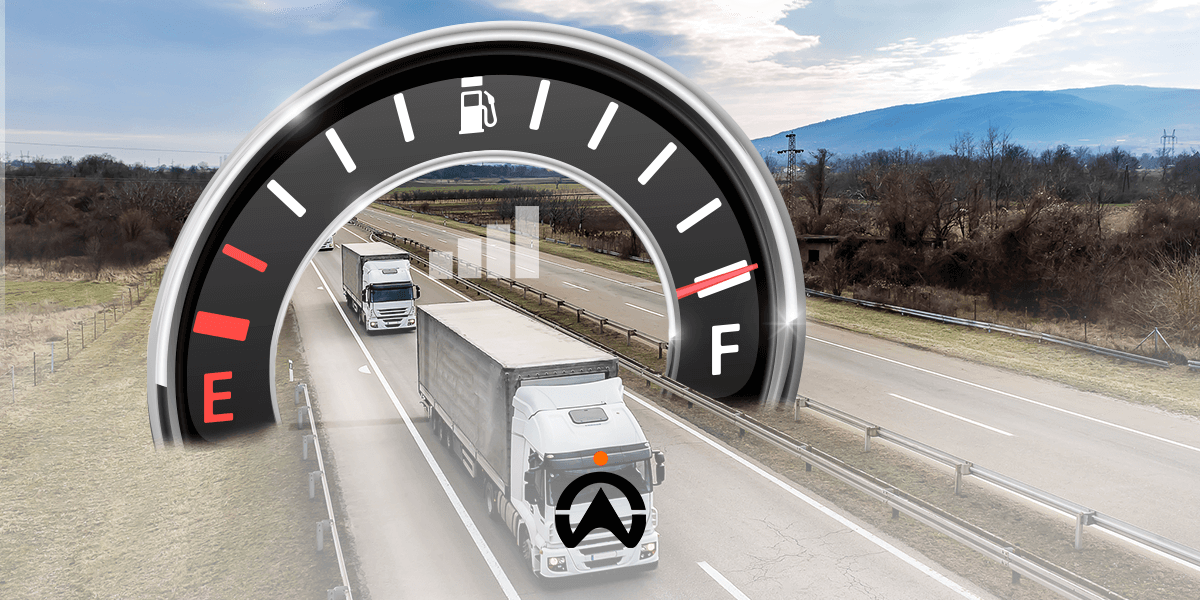
What is a fuel management system?
A fuel management system is a system that measures fuel consumption in vehicles. As part of a fleet management system, it utilises hardware and software components—collectively known as telematics—to provide automated solutions for monitoring, controlling, and optimising fuel usage.
By providing accurate insights into fleet fuel economy, this system assists fleet managers in automating fuel consumption data tracking through an automated, real-time tracking system, helping them effectively manage all fuel-related activities.
How does the fuel management system work?
Fuel management systems are designed to provide operational insights to fleet managers. The system automatically tracks fuel consumption levels and records the rate at which fuel is burned.
Connected telematics systems collect vehicle data and translate it into simple information, which is compiled on a fleet platform. Here are some tools that support fuel management systems.
- Fuel sensor: The fuel sensor is responsible for collecting data related to fuel consumption, mileage, and engine operating hours.
- Fuel level sensor: Installed in the fuel tank, it provides real-time data on the volume of fuel remaining in the tank.
Information typically collected for optimal fuel efficiency includes:
-
Vehicle speed
-
Complete travel history of vehicle use
-
Vehicle travel route
-
Idle time
-
Behaviour in driving
-
Fuel level data
The risks of not having an effective fuel management system
The impact of not having a fuel management system can be detrimental to a fleet's success, including:
-
Increase in fuel costs
-
Fuel theft
-
Inefficient travel and delivery routes
-
Fuel-wasting driving behaviour
-
High maintenance costs
-
Decrease in productivity
All these fuel-wasting costs will add up, but with a good fuel management system, you can easily identify them and start saving.
The Importance of a Fuel Monitoring System
A fuel monitoring system is crucial for fleets because it allows fleet managers to collect and analyse fuel consumption data more easily and quickly. This data is crucial to a fleet's success, providing a variety of benefits, including:
- Improving driver behaviour Identifying and addressing driver behaviours that lead to excessive fuel consumption is crucial for fleet success. Fuel management systems can help reduce fuel costs by pinpointing the specific behaviours responsible for high fuel usage. These behaviours include excessive idling, speeding, harsh braking, and braking while cornering—all of which significantly contribute to increased fuel consumption.
- Improved fleet efficiency A fuel management system can use fleet fuel consumption information to better plan future trips. For example, by knowing how much fuel is typically needed for a particular delivery and avoiding delays, it can positively impact workflow.
- Enhanced planning and optimisation Fuel management systems help provide real-time data and insights. By analysing fuel consumption data, fleet managers can identify the most fuel-efficient routes and make adjustments to less efficient ones.
- Fuel theft prevention Fuel management systems help fleet managers identify potential fuel theft by monitoring fuel data in real-time, ensuring that any unauthorised fuel consumption is immediately detected. Common methods of fuel theft include siphoning, fuel card fraud, fuel card cloning, and fraudulent transactions.
- Accurate vehicle operating cost insights A fuel management system helps monitor and record the amount of fuel consumed by each fleet. This data is crucial for determining when to replace your fleet. Furthermore, a fuel management system provides information on which vehicles are more efficient, allowing you to use the most efficient vehicles for trips that require more fuel.
- Reduction of human error A fuel management system automates the collection of vehicle and driver data, eliminating errors caused by human input. Previously, fleet managers had to manually record vehicle and driver data, which resulted in inaccuracies and negatively impacted fleet efficiency.

How Can Cartrack Help Improve Fuel Management?
Cartrack Indonesia simplifies fuel cost data collection and helps you comprehensively understand fuel consumption and leakage, as well as providing insights that can be used to improve fleet fuel consumption.
Here are some key ways in which our solutions help save on fuel costs:
- Monitoring and Improving Driver Behaviour Cartrack Indonesia's fuel monitoring software helps you see how much fuel your vehicle is putting into your vehicle and helps you identify driver behaviours that contribute to excessive fuel consumption. Research shows that idling consumes between 0.76 and 2.65 liters of fuel per hour, while harsh braking has been shown to increase fuel consumption by around 40%. Cartrack Indonesia's driver score monitors high-risk driving behaviours such as overspeeding, harsh acceleration, cornering, or harsh braking, so you can drastically reduce fuel consumption.
- Encouraging Preventive Care A crucial aspect of fuel efficiency lies in vehicle maintenance. Ignored issues like worn tires, engine failure, or low coolant levels can lead to increased fuel consumption. Cartrack Indonesia takes a proactive approach by minimising maintenance. Cartrack's system features help fleet managers schedule maintenance, minimising downtime and optimising vehicle performance. Now you can ensure your fleet is operating at its maximum capacity while minimising unexpected fuel consumption spikes associated with neglected maintenance.
- Simplify Administration with Automated Reports Monitor fuel usage and costs with automated reports from Cartrack Indonesia. When integrated with a fuel level sensor, these reports provide access to crucial data points, including total fuel consumption, starting and ending fuel levels for a trip, average fuel consumption, and fuel-wasting events such as excessive engine idling. Cartrack reports are quickly emailed to you.
- Reducing Fuel Card Fraud and Theft Cartrack Indonesia's intelligent algorithms go beyond conventional measures to combat fuel card fraud and theft, including fuel card siphoning and cloning. The Cartrack system automatically aligns fuel receipts with vehicle location and fuel status, so any suspicious activity is immediately identified. Furthermore, trip reports with fuel sensor data provide an additional layer of security, helping you take immediate action on any fuel discrepancies.
Effectively improving fleet fuel management requires a system that carefully monitors fuel consumption, supports driver training programs, and adopts fuel-efficient technologies. Cartrack's world-class solutions provide everything you need to maximise fuel use and increase productivity and efficiency.
Find out more about Cartrack's Fuel Management System by clicking the following link.!