EN
EN  ID
ID 


What Is GPS?
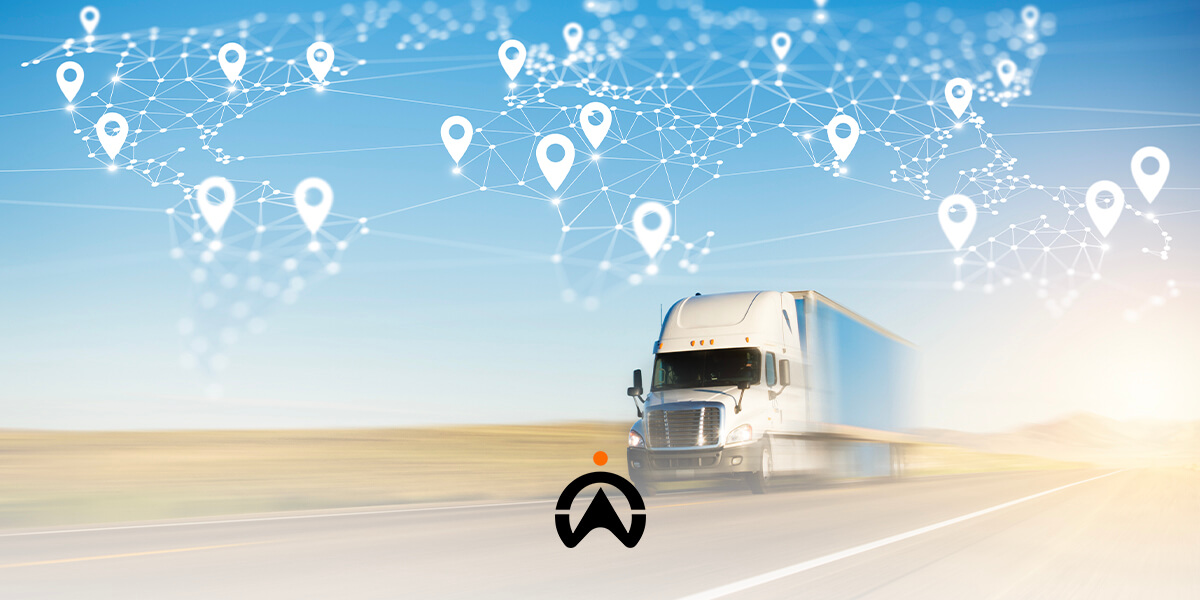
GPS, which stands for Global Positioning System, is a satellite-based navigation system that can provide users with precise location, navigation, and time information. As one of the most innovative inventions of our time, GPS is ubiquitous. It can be connected to cars, smartphones, and even watches.
The Global Positioning System (GPS) Is Made Up of Three Segments:
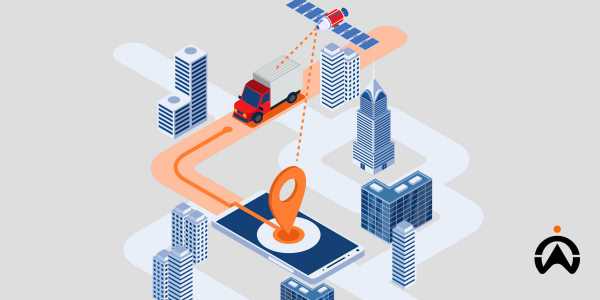
- Space Segment: This segment consists of satellites orbiting the Earth and serves to transmit signals to users based on geographic position and time. The main function of this space segment is to send, store, and transmit radio-navigation signal messages sent by the control segment to GPS receivers on the ground. This allows GPS receivers to calculate their location, navigation, and time accurately.
- Control Segment: Also known as the Operational Control System, this segment is crucial to the proper operation and management of GPS. It consists of ground-based monitoring stations, master control stations, and ground antennas. This segment is responsible for tracking and operating satellites in space, monitoring signal transmissions, and maintaining the health and accuracy of the GPS constellation. It also ensures that satellites are in the correct orbit, that their clocks are accurate, and that navigation messages are correct.
- User segment: This segment refers to equipment used to receive GPS signals from satellites, including smartphones and telematics devices.
These three sectors work together to allow GPS to decipher distances from various satellites and provide users with timely location information, helping them pinpoint their exact location.
What Does GPS Need to Function?
For GPS to function effectively, several key elements are required:
- Satellite Network: The satellite network typically consists of 24 satellites orbiting the Earth and serves as the backbone of the GPS.
- Signal Transmission: Each satellite in the network transmits its orbital position and the exact time of that position on radio frequencies.
- GPS Device or Receiver: This is typically built into smartphones, wearable devices (such as smartwatches), vehicle tracking units, and dedicated navigation systems.
Also Read: What Are the Benefits of Using a GPS Tracker for Business, You Must Know!
What Is a GPS Tracker?
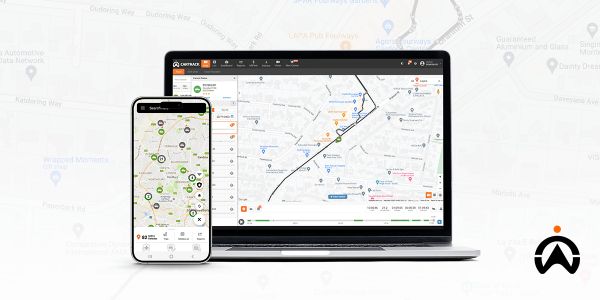
A GPS tracker is a device that uses the Global Positioning System (GPS) to determine and remotely track the location of a specific asset or object. It contains a GPS receiver that communicates with a network of satellites to accurately determine the device's location. Portable and easy to install, a GPS tracker enables users to monitor the location of their vehicles in real time.
The Difference Between Passive and Active GPS Trackers
GPS tracking can be divided into two main categories: Active Tracking and Passive Tracking
- Active GPS Tracker: An active GPS tracking system is a real-time system that automatically sends GPS information to a portal or central tracking system in real-time as it happens. Active GPS tracking helps to keep an eye on your vehicle.
- Passive GPS Tracker: Passive GPS tracking systems focus more on recording and storing tracking information, which can be downloaded and used at a later stage. This makes them a suitable solution when real-time tracking is not required.
See Also: Cartrack GPS Tracker, the Right Solution for Public Transportation Companies
Why Should You Use a GPS Tracker for Your Fleet?
There are several reasons why fleets should use GPS tracking. Here are 5 reasons:
- Providing Real-Time Vehicle Visibility: This advanced tracking system lets fleet managers pinpoint the exact location of each vehicle at any given time. Continuous real-time updates help with decision-making and allow proactive steps to reduce risks and boost overall fleet performance.
- Smarter Route Planning Optimisation: GPS Tracking provides access to past trip reports by leveraging location history. This helps fleet managers identify congested routes and find the best path to take, thus helping optimise routes for increased efficiency.
- Prevent Unauthorised Vehicle Use: Real-time GPS Tracker helps fleet managers quickly identify fleet activity and location if vehicles are misused (e.g., for personal use or side jobs).
- Improved Customer Service: GPS tracking helps determine exactly how far a vehicle is from its destination. This information helps provide customers with accurate estimated arrival times, keeping them updated on the delivery's progress. Real-time vehicle tracking helps optimise delivery routes, avoid traffic jams, and ensure on-time deliveries, while significantly saving on fuel costs.
- Reduced Fuel Consumption: Fuel can be one of the largest operational expenses for most fleets. Companies that implement GPS tracking systems have seen their fleet fuel costs decrease by up to 30%. With a GPS tracker, you can compare multiple routes and get historical trip reports, allowing fleet managers to optimise fuel usage and reduce wasteful spending. GPS tracking systems also play a role in reducing vehicle speed and excessive idling time.
How Accurate Is a GPS Tracker?
GPS accuracy depends on various factors, including satellite geometry, signal obstruction, and receiver design features. The following factors affect GPS accuracy:
- Satellite Position and Visibility: The GPS receiver requires an unobstructed line of sight to at least four satellites to determine its position
- Signal Quality: The quality of signals transmitted by satellites can be affected by various factors, such as atmospheric conditions and human-made interference. This can lead to errors in accurate location determination.
- Radio Interference or Disturbance: External sources of radio interference, such as cell phone towers or other electronic devices, can cause signal delays.
Cartrack Indonesia's GPS Tracking Technology
The Cartrack Indonesia GPS tracking system is dedicated to providing world-class security. Numerous user testimonials demonstrate the efficiency of the Cartrack Indonesia's GPS tracking system for fleet visibility and safety.
The core of Cartrack Indonesia's advanced telematics technology lies in the innovative power of its GPS tracking system. This unparalleled accuracy empowers our 24/7 emergency control room and highly trained stolen vehicle recovery team with real-time visibility, ensuring we are ready to respond and recover at any time. Our unwavering commitment to innovation and technological advancement places Cartrack Indonesia at the forefront of the vehicle tracking industry.
Read Also: Not Just Tracking Location, It Turns Out Car GPS Trackers Have Many Other Complete Features!
Get full fleet visibility with Cartrack Indonesia Solutions
Whether you're a small business or working in high-demand sectors like oil, gas, and mining, Cartrack Indonesia is the answer to keeping an eye on your fleet at all times.
Boost fleet safety, improve operational efficiency, and make smarter decisions, start using Cartrack Indonesia. Find out more by clicking this link!