EN
EN  ID
ID 


The biggest challenge in monitoring non-powered assets such as containers, trailers, safes, or other high-value items is the difficulty of tracking them. Without a dedicated tracking system, these items are vulnerable to loss, misplacement during shipping, or even theft.
Therefore, you need a tracking solution that can pinpoint the location of assets even if they don't have their own power source, like a battery. Have you ever heard of non-powered asset tracking? Let's find out more!
What is Asset Tracking?
Asset tracking is the process of tracking a company's movable assets, such as office equipment, operational machinery, and vehicles. This monitoring aims to determine the status, location, and usage of assets to facilitate their management.
One technology commonly used in asset tracking is the Global Positioning System (GPS). This technology utilizes a satellite navigation system, where the item being monitored is fitted with a tracking device that then transmits location information.
GPS tracking systems are divided into powered assets and non-powered assets. The difference between the two lies in the energy source used by the tracking device, which is attached directly to the item.
GPS trackers for powered assets, such as vehicles, are typically integrated with a Fleet Management System. Non-powered assets typically use dedicated non-powered asset tracking, such as that provided by Cartrack.
What are the benefits of asset tracking?
Tracking, whether on vehicles or other goods, has many benefits for companies. Some of these include:
1. Monitor asset location
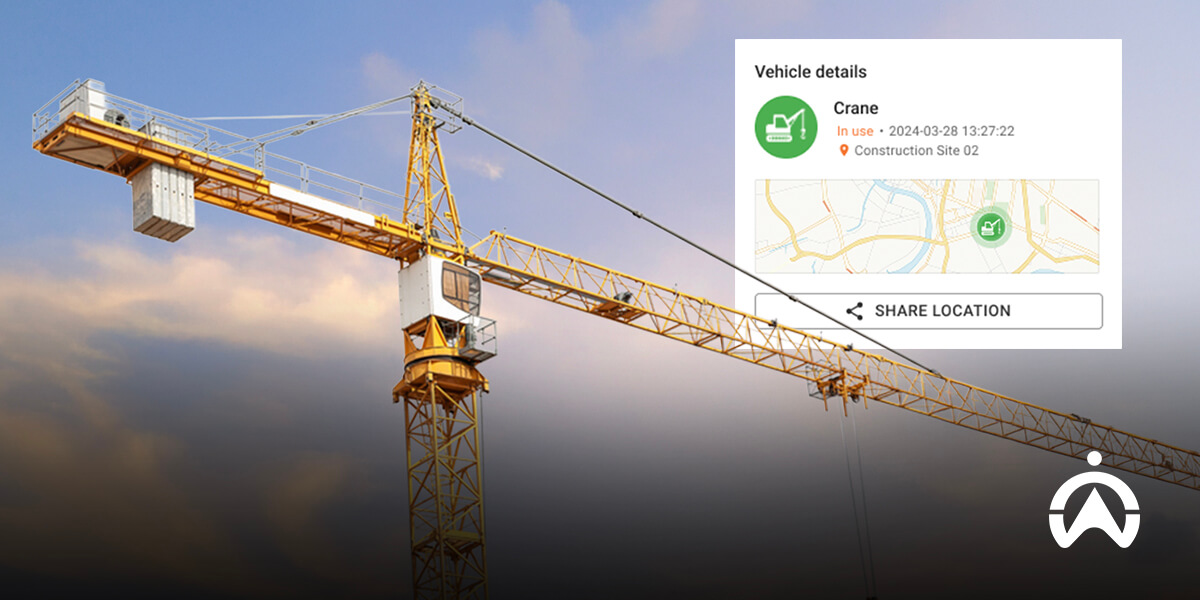
Using a tracking device will make it easier for you to monitor the location of both vehicles and other company assets. For non-powered assets, tracking devices also make it easier to locate them when needed.
2. Prevent loss and theft
Just like vehicles, non-powered assets worth hundreds of millions of rupiah need to be tracked during shipping. Tracking allows you to verify location information, minimizing the potential for asset loss due to misplacement or theft during shipping.
3. Facilitates asset data collection
Using tracking tools also makes it easier to record company assets without having to physically inspect and view them. This is also useful if the company ever needs to conduct an asset audit.
4. Assists in decision-making
Running a business always presents challenges and unforeseen situations involving the use of company assets. Tracking provides you with asset-related data that can be invaluable in decision-making.
Also Read: Prevent Misuse & Theft of Heavy Equipment with GPS Tracking
What Are the Key Features of Non-Powered Asset Tracking?
Unlike GPS tracking for vehicles, there are specific criteria you should consider. Some of these criteria are:
-
Can track non-powered assets: Some GPS tracking devices are specifically designed for vehicles that have their own power to move. These GPS devices work by drawing power directly from the battery, which non-powered assets don't have.
-
Long battery life: Trackers for non-powered assets typically use their own power sources, such as batteries and solar panels. Make sure the device you choose has a long-lasting battery for tracking purposes.
-
Weather and shock resistance: Some mobile assets may travel through less-than-ideal locations, exposing them to weather and shock during their journey. Ensure the tracking device you choose remains functional under these conditions.
-
Geofence feature: The Geofence feature allows you to receive notifications if your assets enter/exit a specific zone. This alert can be the first indication of a theft.
-
Have a user-friendly dashboard: The tracking system should be integrated with monitoring software. Ensure the dashboard interface is easy to use.
One asset tracker that meets all the above aspects is Non-Powered Asset Tracking from Cartrack.

How Does Cartrack's Asset Tracker Work?
In addition to GPS trackers for vehicles, Cartrack also offers non-powered asset tracking solutions. These trackers can be used for items that don't have their own power source, such as shipping containers, truck trailers (without heads), and safes.
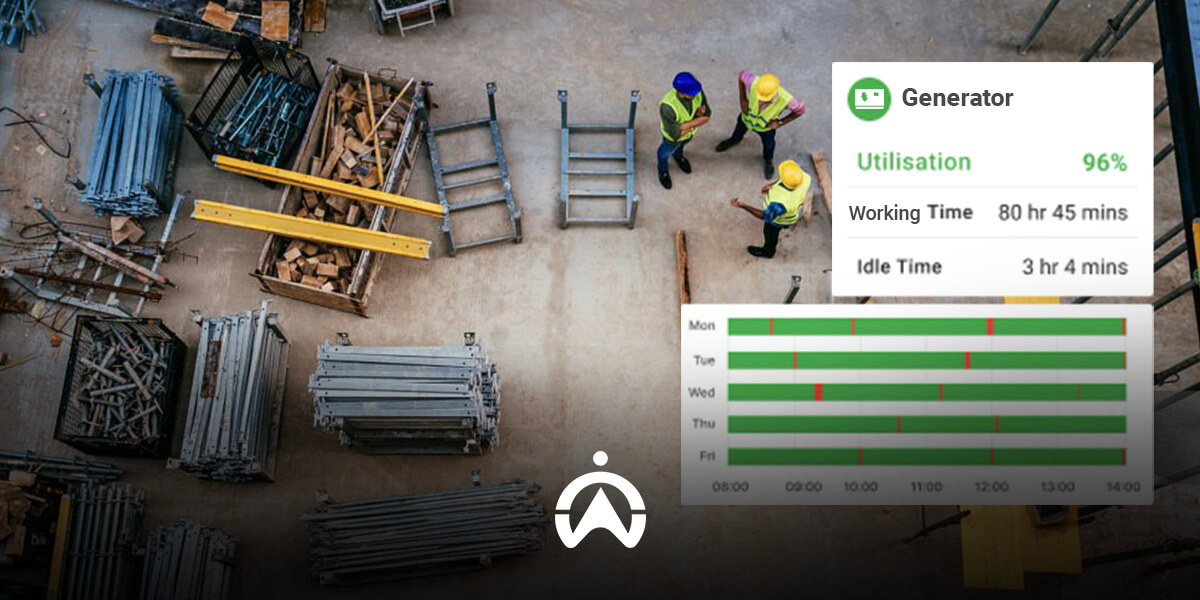
This asset tracking tool is actually quite broad, covering assets with machinery but not vehicles, such as electric generators. If you have vehicles or machinery in storage or shipping, you can also use this tool.
Cartrack's non-powered asset trackers come in three different options in terms of installation, battery life, and location data update frequency.
-
Asset Track: A tracking solution for infrequently moving items, enabling location updates once or twice daily. With a battery life of up to 5 years, this device can be attached directly to the asset with a special adhesive.
-
Track & Go: This portable tracker with a rechargeable battery can track your route in real time for up to two weeks. It can be attached using a magnetic adhesive, making it easy to attach and remove.
-
Solar Track: As the name suggests, Solar Track is a solar-powered tracker that can transmit location data every 10 minutes as the asset moves. This tracker is suitable for outdoor company items.
See Also: What is a GPS Tracker? Read on to learn more!
That concludes our discussion of asset tracking, including its definition, benefits, key features, and Cartrack's asset tracking solutions. If you own non-electrical assets like containers, trailers, safes, and other valuables, you can use an asset tracker.
Losing any of these items can disrupt operations and increase unexpected costs due to replacement. Complete your details in the form below and receive a special offer tailored to your company/business needs.